Barbershop Cultural Institution for Better Grooming
Modern grooming often feels fragmented—overloaded with products, trends, and conflicting advice. Many people are left asking a simple question: what actually works for long-term hair and scalp health?
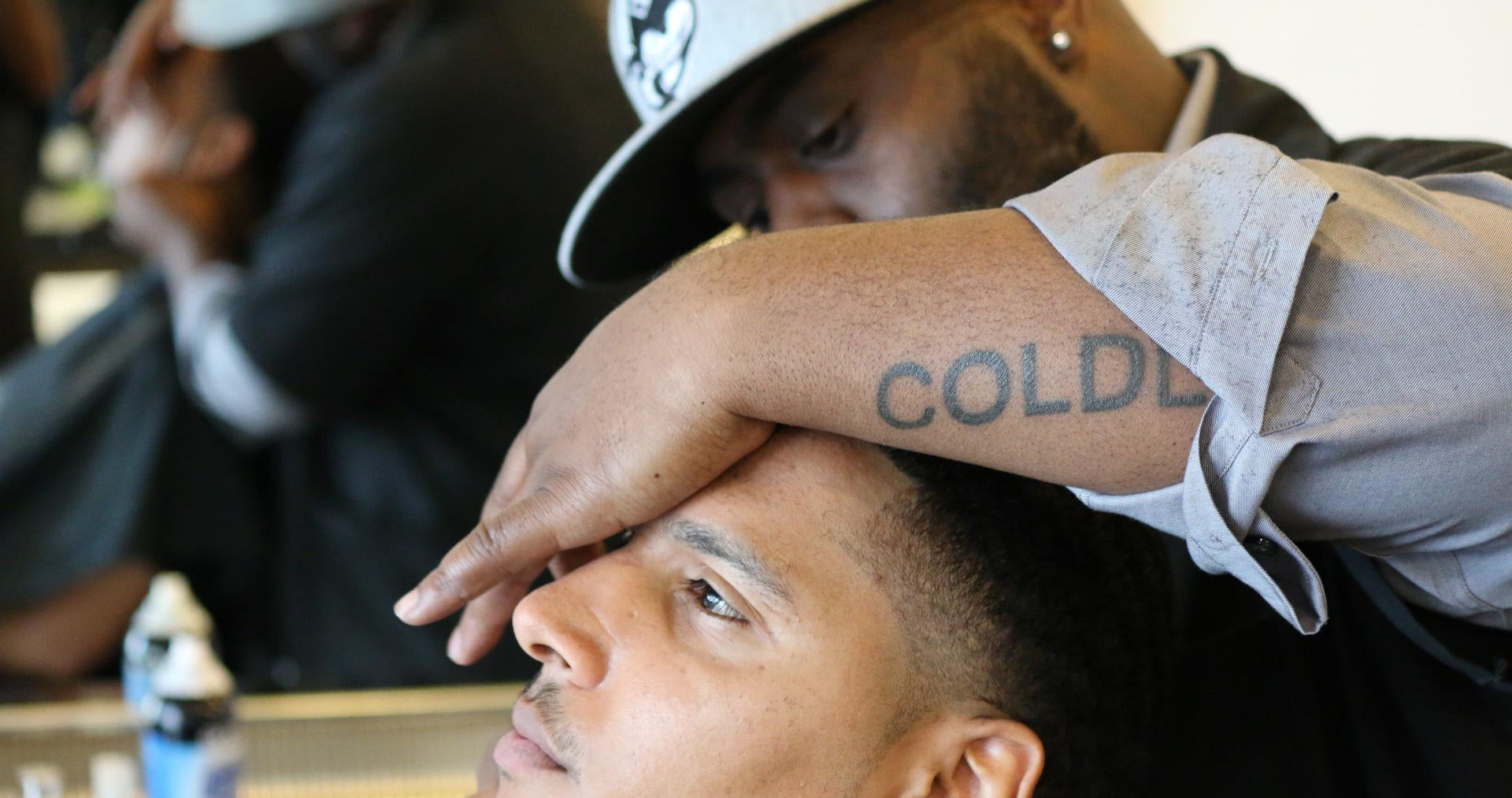
The answer, in many cases, has been preserved in one place for generations: the barbershop. Not just as a service, but as a barbershop cultural institution rooted in discipline, observation, and practical care.
This article is for anyone seeking a clearer, more effective approach to natural grooming—especially those with curly, coily, wavy, thick, or textured hair. By understanding the barbershop’s role beyond the chair, you can build a routine grounded in clean ingredients, scalp health, and consistent results.

The Barbershop as a Cultural Institution
The barbershop has never been just about haircuts. Historically, it has functioned as a place of:
- Knowledge transfer
- Community trust
- Practical health guidance
- Grooming discipline
Before modern product marketing, barbers were among the first grooming authorities. Their expertise came from repetition—working with different hair types, scalp conditions, and grooming challenges daily.
Why This Still Matters
Today’s grooming industry often prioritizes speed and appearance over long-term health. The barbershop, by contrast, emphasizes:
- Observation over assumption
- Consistency over quick fixes
- Technique over product dependence
This approach aligns directly with what actually supports healthy hair and scalp function.
How Barbershop Traditions Support Scalp Health
A healthy scalp is the foundation of all grooming. True barbers have long understood that hair quality reflects scalp condition.
Core Principles Practiced in Barbershops
1. Scalp-First Approach
Barbers assess dryness, buildup, irritation, and growth patterns before styling. This prevents treating symptoms instead of causes.
2. Controlled Product Use
Rather than layering multiple products, traditional barbers rely on fewer, purposeful applications.
3. Regular Maintenance Cycles
Consistent grooming intervals help regulate oil production, reduce buildup, and maintain scalp balance.

Practical Application for You
To apply this at home:
- Cleanse the scalp regularly with gentle, non-stripping products
- Avoid heavy product layering that clogs follicles
- Incorporate scalp massage to stimulate circulation
- Pay attention to early signs of irritation or dryness
These habits reflect barbershop discipline—not trends.
Natural Grooming: Lessons from the Chair
Barbershops have historically relied on simple, effective ingredients—long before “clean grooming” became a category.
Why Natural Ingredients Matter
The scalp is skin. Harsh chemicals can disrupt its balance, leading to:
- Dryness
- Inflammation
- Breakage
- Reduced hair quality
Barbers often favored oils, butters, and plant-based cleansers because they support—not override—the scalp’s natural function.
Foundational Natural Grooming Practices
- Use plant-based oils to maintain moisture without buildup
- Choose sulfate-free cleansers to avoid stripping natural oils
- Incorporate clay treatments to gently detox the scalp
- Limit synthetic fragrances that can irritate sensitive skin
These are not trends—they are refinements of long-standing barbershop methods.

The Barbershop and Textured Hair Mastery
Barbershops have long been centers of expertise for textured hair—curly, coily, and wavy patterns that require precision and care.
What Barbers Understand About Textured Hair
- Hair grows in patterns, not uniform directions
- Moisture retention is essential for elasticity
- Over-manipulation leads to breakage
- Scalp health directly affects pattern definition
Key Practices You Can Apply
- Brush or comb with intention, following your natural pattern
- Maintain moisture balance, especially for coily hair
- Avoid excessive heat, which weakens hair structure
- Trim consistently, not just when damage appears
Barbers refine these techniques through repetition—something worth adopting in your personal routine.

Clean Grooming Over Product Overload
One of the most overlooked lessons from barbershop culture is restraint.
Modern grooming often encourages:
- Multiple products layered daily
- Frequent switching between brands
- Short-term fixes for long-term problems
Barbershop tradition takes the opposite approach.
The Principle of Restraint
- Use fewer products
- Use them consistently
- Choose quality over variety
Building a Clean, Effective Routine
A barbershop-inspired routine typically includes:
- A gentle cleanser
- A natural moisturizer or oil
- A styling product used in moderation
That’s it. The effectiveness comes from consistency, not complexity.

The Ritual of Grooming
The barbershop also reinforces something deeper: grooming as a ritual, not a task.
Why Ritual Matters
Ritual creates:
- Consistency
- Awareness
- Discipline
These are essential for long-term results in hair and scalp health.
How to Build Your Own Grooming Ritual
- Set consistent grooming times (daily and weekly)
- Focus on process, not speed
- Pay attention to how your hair and scalp respond
- Adjust gradually, not impulsively
This mirrors the structured environment of a barbershop—where repetition leads to mastery.

Conclusion
The barbershop cultural institution remains relevant because it is built on principles that do not change: observation, discipline, and respect for the body’s natural function.
If you are looking to improve your hair and scalp health naturally, the solution is not more products or new trends. It is a return to fundamentals:
- Scalp-first care
- Clean, intentional ingredients
- Consistent grooming habits
- Respect for your natural hair pattern
The barbershop has preserved these principles for generations. Applying them to your daily routine brings clarity—and results—to modern grooming.
Frequently Asked Questions
1. Why are barbershops considered cultural institutions?
Barbershops serve as centers of knowledge, trust, and community. They preserve grooming techniques, health practices, and traditions passed down over generations.

2. Can barbershop practices improve scalp health?
Yes. Barbers emphasize scalp-first care, consistent maintenance, and controlled product use—all of which support healthier scalp conditions.
3. What makes barbershop grooming different from modern grooming?
Barbershop grooming focuses on simplicity, consistency, and technique rather than product overload or trend-driven routines.
4. Are natural ingredients better for grooming?
In many cases, yes. Natural ingredients tend to support the scalp’s balance without causing irritation or buildup, especially when used correctly and consistently.