Cleanliness in Grooming: The Foundational Discipline
Why Cleanliness Is the First Principle
Long before grooming became an industry of trends, launches, and marketing cycles, it was governed by a simpler rule: cleanliness is the foundation of self-respect.
The phrase “cleanliness next to godliness” is often dismissed today as outdated or moralistic. In reality, it points to something more practical and enduring—the understanding that order, cleanliness, and care are prerequisites for excellence in any discipline, including grooming.
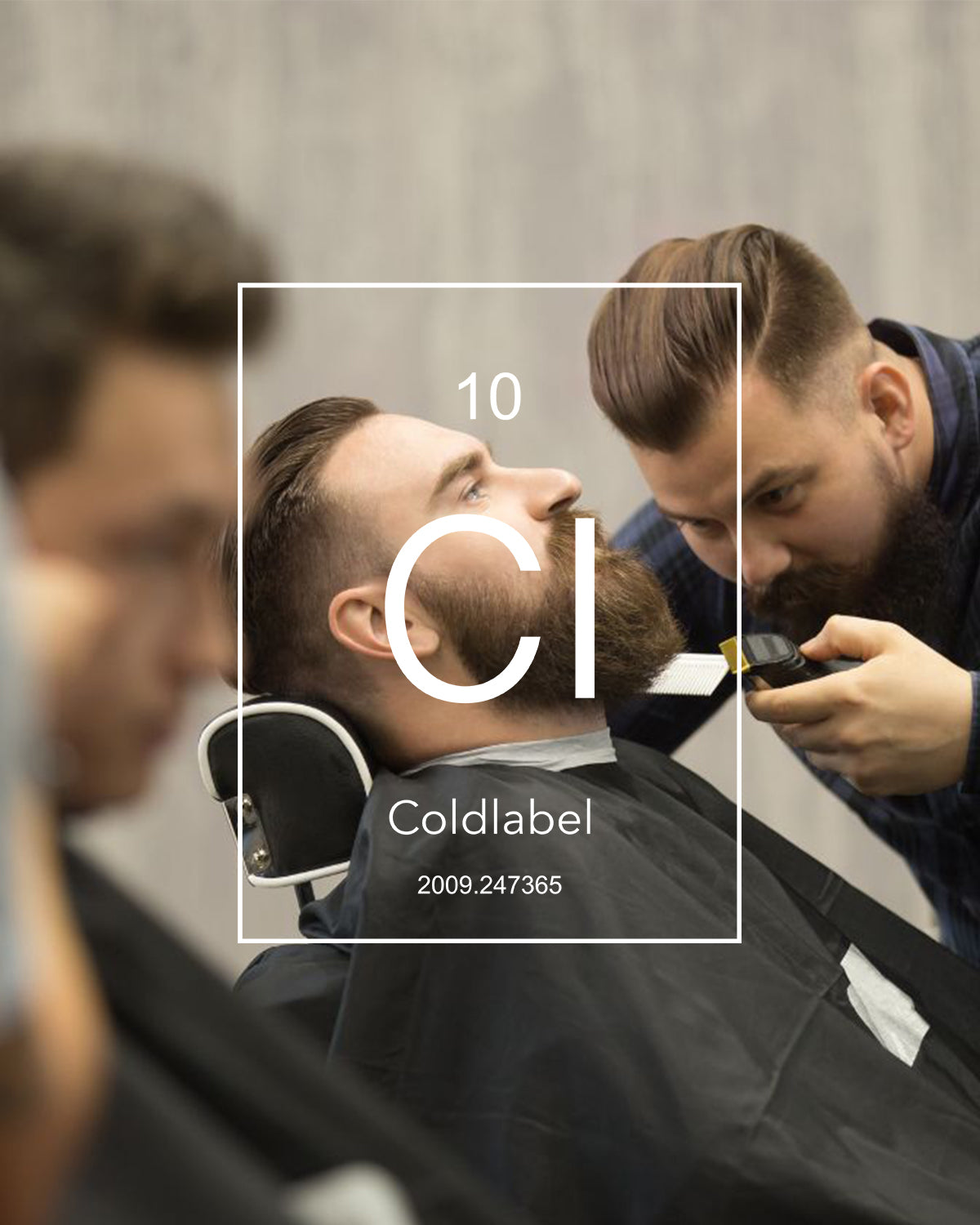
In the barbershop tradition, cleanliness is not cosmetic. It is structural. Hair health, scalp integrity, skin clarity, and beard quality all depend on consistent, intentional cleanliness. Without it, no product, technique, or style can perform as intended.
This article explores why cleanliness remains the most important discipline in grooming, how it supports long-term results, and how to practice it with precision rather than excess.

Cleanliness as Discipline
Cleanliness is often confused with appearance. In professional grooming, it is closer to maintenance of structure.
Barbers have always understood this distinction. A clean foundation allows:
-
Hair to grow evenly
-
Scalp to regulate oil production
-
Skin to repair itself overnight
-
Products to perform predictably
Without cleanliness, grooming becomes reactive—covering problems instead of preventing them.
Cleanliness is not about stripping or over-washing. It is about regular, appropriate removal of buildup, sweat, environmental debris, and dead skin that interfere with healthy function.
The Scalp: Where Grooming Health Begins
Hair does not begin in the mirror. It begins in the scalp.
A clean scalp supports:
-
Balanced sebum production
-
Proper follicle oxygenation
-
Reduced inflammation and itching
-
Consistent hair texture and growth patterns
When the scalp is neglected, common issues follow:
-
Excess oil or chronic dryness
-
Flaking and irritation
-
Uneven wave or curl formation
-
Product dependency to mask symptoms
Cleanliness vs. Over-Cleansing
Professional grooming emphasizes measured frequency, not daily stripping.
Best practices include:
-
Washing often enough to remove buildup
-
Using formulations that respect the scalp barrier
-
Allowing natural oils to recover between washes

Skin Cleanliness and Barrier Integrity
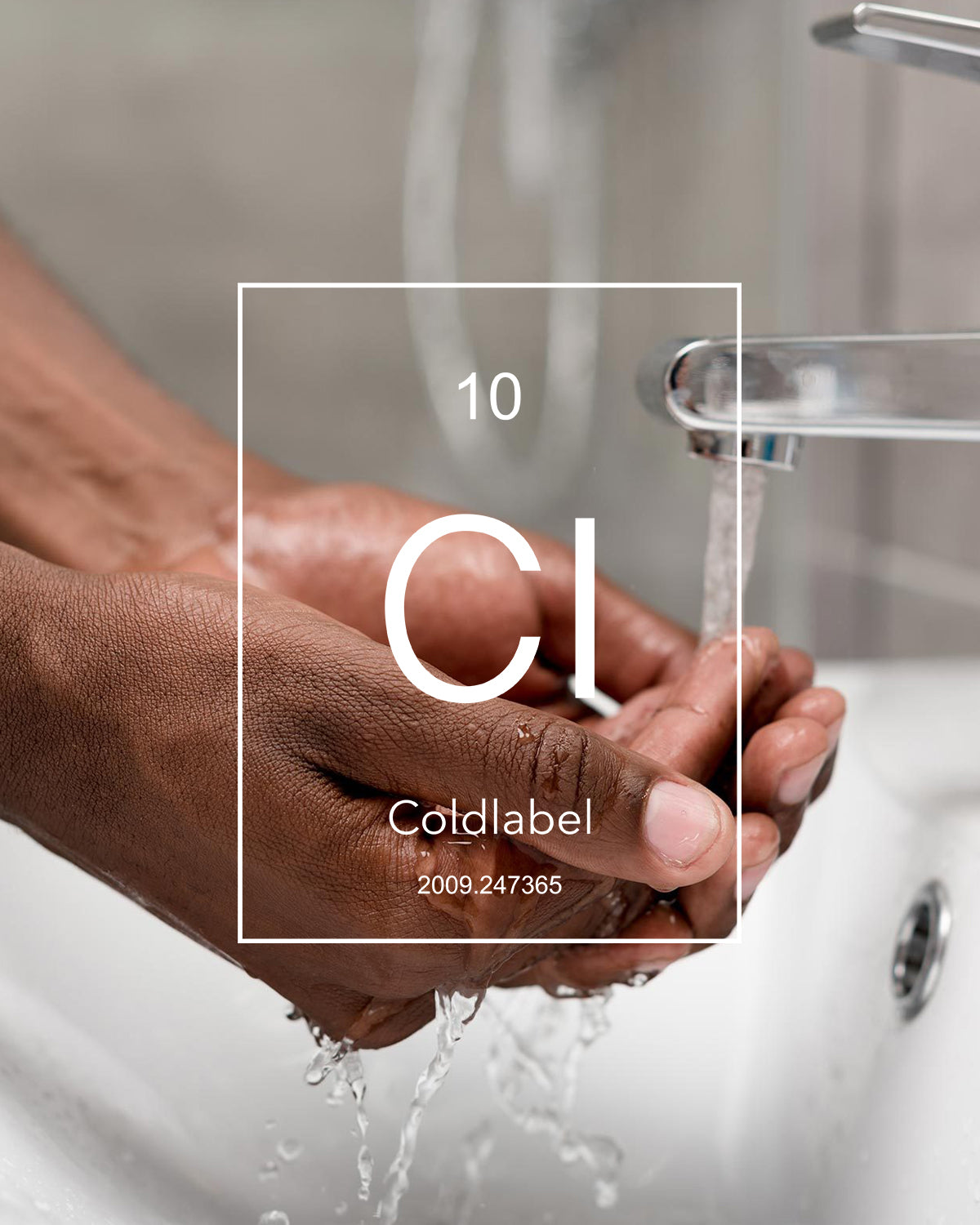
Skin health depends on balance. Cleansing should support the skin’s natural defenses, not weaken them.
Effective grooming cleanliness for skin means:
-
Removing sweat, pollutants, and residue
-
Preserving the lipid barrier
-
Preventing micro-inflammation that leads to breakouts or premature aging
Poor cleansing habits—either neglect or overuse—often result in:
-
Chronic sensitivity
-
Uneven texture
-
Excess oil production as compensation
Professional Insight
Barbers and estheticians agree: clean skin accepts moisture better. When the surface is clear, hydration penetrates more effectively, and the skin requires fewer corrective products over time.
Beards and Facial Hair: Clean Hair Holds Shape
Beards are often treated as styling projects. In reality, they are extensions of scalp hair and skin health.
A clean beard:
-
Sits closer to the face
-
Absorbs conditioning oils evenly
-
Appears fuller without stiffness
-
Develops fewer ingrown hairs
Neglected beard hygiene leads to:
-
Dullness and odor retention
-
Flaking beneath the beard
-
Uneven growth and breakage
Cleanliness here does not mean constant washing—it means consistent, intentional care aligned with hair density and skin type.

Cleanliness as Ritual
Routine is mechanical. Ritual is deliberate.
Coldlabel philosophy places cleanliness within ritualized grooming, where actions are:
-
Purposeful
-
Measured
-
Repeated with awareness
A ritualized approach encourages:
-
Consistency without obsession
-
Observation of changes in skin and hair
-
Adjustments based on season, activity, and stress
This mindset mirrors traditional barbering, where grooming was taught as a craft passed down—not rushed or automated.
Why Cleanliness Supports Long-Term Grooming Health
Short-term grooming relies on styling effects. Long-term grooming relies on fundamentals.
Cleanliness contributes to:
-
Reduced need for corrective products
-
More predictable hair behavior
-
Stronger skin resilience with age
-
Fewer inflammatory conditions over time
When cleanliness is neglected, grooming becomes increasingly complex. When it is honored, grooming becomes simpler.

Modern Grooming Lost This Principle
Contemporary grooming often prioritizes:
-
Product stacking
-
Aggressive exfoliation
-
Daily novelty
This approach creates dependency rather than independence.
Barbering fundamentals remind us:
-
Fewer products work better on clean foundations
-
Healthy skin and scalp regulate themselves
-
Discipline outperforms trends
Practical Cleanliness Guidelines (Without Extremes)
Cleanliness does not require intensity. It requires alignment.
Core principles to follow:
-
Clean regularly, not excessively
-
Match cleansing frequency to lifestyle
-
Respect natural oils rather than fighting them
-
Prioritize consistency over experimentation
Avoid:
-
Daily stripping cleansers unless medically necessary
-
Over-exfoliation
-
Masking buildup with heavy styling products

Conclusion: Cleanliness Is the First Commitment
Cleanliness is not the final step in grooming. It is the first commitment.
Before style, before product choice, before aesthetics, cleanliness establishes order. It supports the body’s natural systems rather than competing with them.
For those who take grooming seriously—barbers, professionals, and disciplined individuals—cleanliness remains the quiet constant. It does not announce itself. It reveals itself over time through clarity, balance, and restraint.
True grooming health is built, not applied.
FAQ's
Is daily cleansing necessary for healthy grooming?
Not always. Frequency should match activity level, skin type, and product use. Over-cleansing can be as harmful as neglect.
Can cleanliness improve hair texture?
Yes. Clean follicles and balanced scalp conditions allow hair to grow and lay more predictably.
Why do professionals emphasize foundations over products?
Because strong foundations reduce dependency. Products should support health, not compensate for its absence.