Cornrows: Complete Guide to Healthy Protective Styling
Cornrows have remained one of the most respected protective hairstyles for centuries. Their enduring popularity comes from more than appearance alone—they offer practical benefits for managing textured hair while reducing daily manipulation. When installed and maintained properly, cornrows can support healthy hair growth, improve moisture retention, and simplify grooming routines.
However, protective styling is only truly protective when combined with proper scalp care and thoughtful maintenance. Cornrows that are braided too tightly, neglected for too long, or paired with heavy product buildup can contribute to discomfort, breakage, or irritation.

This guide is for anyone with curly, coily, or textured hair who wants to understand how to wear cornrows in a way that prioritizes long-term hair health. Rather than focusing on trends, we'll explore the biological principles behind healthy hair, practical maintenance habits, and clean grooming practices that support both the scalp and the hair shaft.
What Are Cornrows?
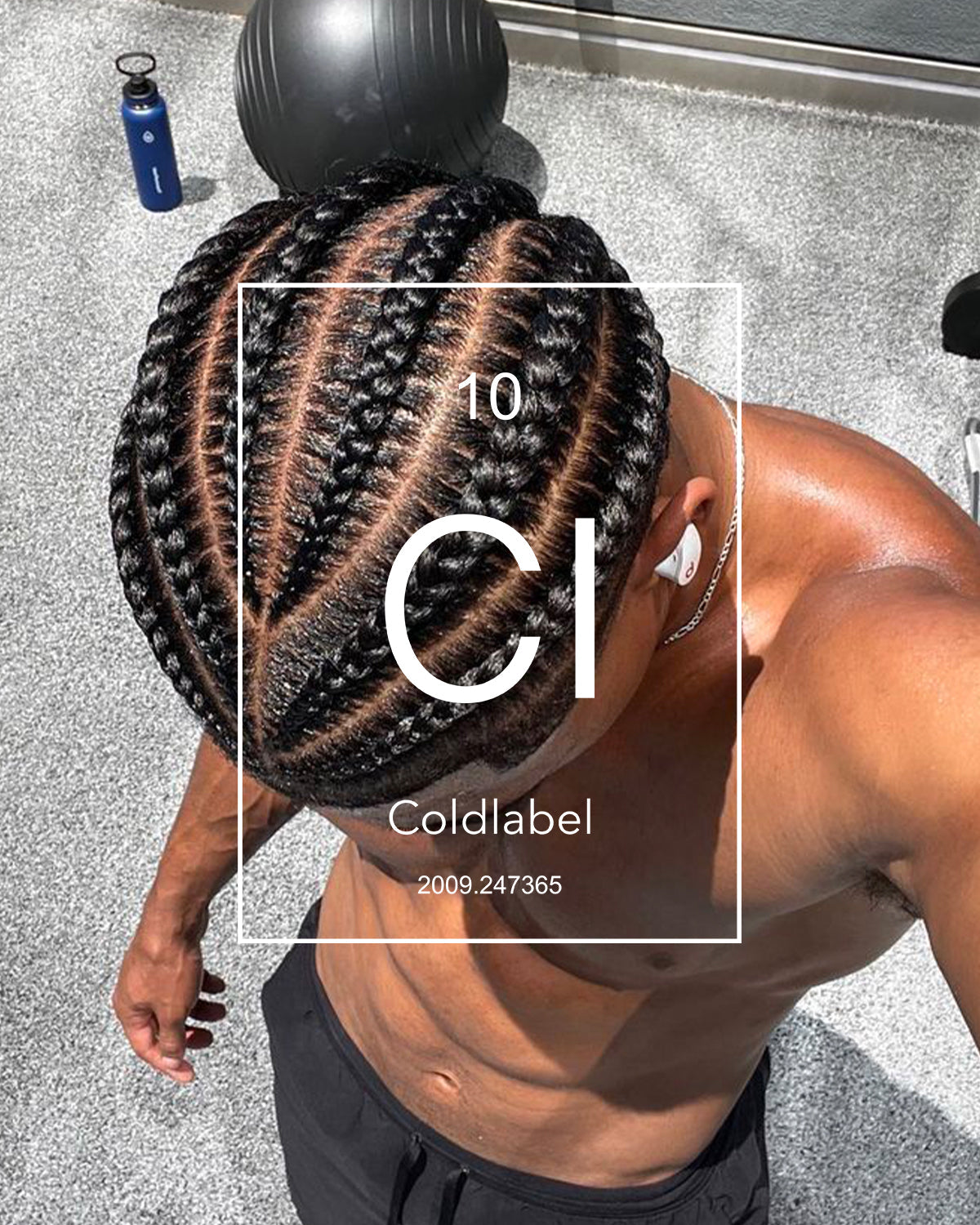
Cornrows are a traditional braided hairstyle in which sections of hair are braided closely against the scalp in continuous rows. Unlike loose three-strand braids, cornrows remain anchored to the scalp throughout the style.
For individuals with naturally curly or coily hair, cornrows serve as an effective protective hairstyle by helping reduce:
- Daily combing
- Excessive brushing
- Mechanical breakage
- Friction against clothing and bedding
- Environmental exposure
Because textured hair naturally bends and coils, it is more susceptible to dryness and breakage than straighter hair types. Protective styles like cornrows help preserve the hair's structure by minimizing unnecessary handling.
Why Cornrows Can Support Healthy Hair
Healthy hair grows from healthy follicles—not from the hairstyle itself. Cornrows do not directly increase hair growth, but they can create favorable conditions for maintaining existing hair.

Benefits may include:
Reduced Manipulation
Every time hair is combed, brushed, or styled, individual strands experience mechanical stress. Cornrows dramatically reduce the frequency of handling, allowing fragile strands to remain intact.
Better Moisture Retention
Natural scalp oils travel more slowly along tightly coiled hair than along straight hair. A consistent moisturizing routine while wearing cornrows can help maintain hydration for longer periods because the hair is left largely undisturbed.
Less Friction
Hair rubbing against clothing, hats, or pillowcases contributes to breakage over time. Cornrows keep strands organized and reduce this friction.
Easier Daily Maintenance
Instead of spending significant time styling each morning, individuals can focus on maintaining scalp cleanliness and moisture.
Cornrows Are Protective—But Only When Done Correctly
A protective hairstyle becomes harmful when unnecessary tension is placed on the scalp.
Braids that feel painful, create bumps, or cause persistent tenderness should never be considered normal.

Excessive tension may contribute to:
- Hair breakage
- Inflamed follicles
- Scalp irritation
- Traction alopecia (hair loss caused by repeated pulling)
Signs that cornrows are too tight include:
- Persistent headaches
- Pain lasting more than one or two days
- Small bumps around the hairline
- Redness
- Shiny, overstretched skin
- Hairline tenderness
Healthy cornrows should feel secure—not painful.
The Importance of Scalp Health
Hair health begins beneath the surface.
The scalp contains thousands of follicles responsible for producing each strand of hair. Maintaining a healthy scalp environment supports normal hair growth cycles and reduces unnecessary irritation.

While wearing cornrows, continue caring for your scalp by:
Keeping It Clean
Sweat, oils, environmental debris, and styling products accumulate even when hair is braided.
Depending on activity level and scalp condition, many people benefit from gently cleansing the scalp every one to two weeks using a mild, sulfate-free cleanser or diluted shampoo.
Avoiding Product Buildup
Heavy waxes and thick petroleum-based products may trap debris around the braid bases.
Instead, consider lighter products that emphasize botanical oils and humectants while allowing the scalp to breathe.
Supporting Moisture
Dry scalp often causes itching that leads to scratching and unnecessary irritation.
Hydration may come from:
- Water-based moisturizing sprays
- Aloe vera-based products
- Light botanical oils applied sparingly
The goal is hydration—not excessive oil.
Choosing Natural Grooming Ingredients
Clean grooming focuses on ingredients that support the hair rather than simply coating it.

While ingredient preferences vary, many people appreciate formulations containing:
- Jojoba oil
- Argan oil
- Castor oil
- Grapeseed oil
- Aloe vera
- Glycerin
- Shea butter (used moderately)
These ingredients may help improve softness and moisture retention while supporting the scalp barrier.
Conversely, avoid overusing products that leave heavy residue if they interfere with regular cleansing or make the scalp feel congested.
How Long Should Cornrows Stay In?
One of the most common mistakes is leaving cornrows installed for too long.
Although timing depends on hair growth rate, lifestyle, and scalp condition, many professionals recommend wearing cornrows for approximately 2 to 6 weeks before removing and thoroughly cleansing the hair and scalp.

Keeping braids in significantly longer may increase:
- Product buildup
- Tangling at the roots
- Shed hair accumulation
- Difficulty detangling
- Breakage during removal
Removing cornrows carefully is just as important as installing them correctly.
Maintaining Cornrows Throughout the Week
Healthy cornrows require surprisingly little maintenance when approached consistently.
A simple routine might include:
Daily
- Protect hair with a satin or silk bonnet or scarf at night.
- Avoid unnecessary touching.
- Keep the scalp comfortable and hydrated.
Several Times Weekly
- Lightly mist the hair with water or a water-based moisturizer.
- Apply a small amount of lightweight oil if needed.
Weekly
- Cleanse the scalp gently if necessary.
- Inspect for irritation or excessive buildup.
- Check the hairline for signs of tension.

Consistency is far more beneficial than using large amounts of product.
Common Mistakes That Can Damage Cornrows
Protective styling becomes less protective when poor habits develop.
Common mistakes include:
Braiding Too Tightly
The most preventable cause of cornrow-related damage is excessive tension.
Ignoring the Scalp
Healthy-looking braids cannot compensate for an unhealthy scalp.
Excessive Product Use
More product does not necessarily produce healthier hair.
Heavy buildup often creates more maintenance challenges.
Skipping Night Protection
Cotton pillowcases absorb moisture and increase friction.
Satin or silk fabrics help preserve both moisture and the appearance of the braids.
Leaving Cornrows Installed Too Long
Hair continues shedding naturally while braided.
Eventually those shed hairs accumulate, increasing tangling and making removal more difficult.
Cornrows as Part of a Healthy Grooming Ritual
Healthy grooming is not defined by a single hairstyle.
Instead, it reflects intentional care practiced consistently over time.

Cornrows fit naturally into this philosophy because they encourage:
- Reduced manipulation
- Patience
- Consistency
- Thoughtful maintenance
- Respect for natural hair texture
Rather than chasing temporary appearance, protective styling allows individuals to focus on preserving the long-term condition of their hair and scalp.
For many people with textured hair, this shift—from constant styling to intentional care—can make a meaningful difference in maintaining healthy, resilient hair over time.
Conclusion
Cornrows remain one of the most practical protective hairstyles for curly, coily, and textured hair when approached with care and intention. While they do not directly stimulate hair growth, they can help preserve hair by reducing daily manipulation, protecting strands from friction, and supporting moisture retention.
The healthiest results come from balancing protective styling with proper scalp hygiene, lightweight natural ingredients, and regular maintenance. Avoid excessive tension, keep the scalp clean, moisturize thoughtfully, and remove the style before buildup and tangling become significant.
Viewed as part of a broader grooming ritual rather than a temporary trend, cornrows can play an important role in supporting long-term hair health, resilient strands, and a comfortable scalp.

Frequently Asked Questions
Are cornrows good for natural hair?
Yes. Cornrows can be an excellent protective hairstyle for natural hair when they are not braided too tightly and are maintained with proper cleansing and moisture.
How often should I wash my scalp with cornrows?
Many people benefit from gently cleansing their scalp every one to two weeks, although the ideal schedule depends on activity level, product use, and individual scalp needs.
Can cornrows cause hair loss?
Cornrows themselves do not cause hair loss. However, repeated tight braiding and excessive tension can contribute to traction alopecia over time.
What is the best way to keep cornrows moisturized?
Use water-based moisturizers, lightweight botanical oils when needed, and protect the style at night with a satin or silk covering to help reduce moisture loss.