Greasing the Scalp: A Guide to Healthy Scalp Care
"Greasing" the scalp has been part of textured-hair grooming for generations. For many people with curly, coily, thick, or tightly textured hair, applying a light oil or scalp preparation provides comfort, reduces the appearance of dryness, and supports a more intentional grooming ritual.
The practice, however, is frequently misunderstood. Scalp oil does not add water to dehydrated skin, and applying more product is not always the answer to itching or flakes. In certain cases, what appears to be simple dryness may be dandruff, product irritation, psoriasis, or another scalp condition that oil alone cannot correct.
This guide is for anyone considering greasing the scalp as part of a natural scalp-care routine. The goal is to explain what the practice can do, where it has limitations, and how to use scalp products without creating unnecessary buildup.
What Does Greasing the Scalp Mean?
Greasing the scalp generally means applying an oil, balm, butter, or ointment directly to the skin between sections of hair. Traditional scalp greases were often thick petroleum-based formulas. Modern alternatives may use plant-derived oils, waxes, botanical extracts, or lighter emollients.

The word “grease” describes the practice more than a specific ingredient. A scalp product may contain:
- Lightweight liquid oils
- Dense plant butters
- Waxes or oil-based balms
- Petroleum or mineral oil
- Fragrance and essential oils
- Botanical extracts
- Medicated ingredients
These formulas can behave very differently. A lightweight oil applied sparingly does not create the same degree of coating as a heavy ointment applied repeatedly.
The quality of a scalp ritual therefore depends on more than whether a product is natural. Formula composition, quantity, frequency, scalp condition, and cleansing habits all matter.
Is Greasing the Scalp Good for Your Hair?
Greasing the scalp can be useful when it is matched to a genuine need. An emollient can soften dry-feeling skin and reduce friction during massage or styling. Oil may also improve the appearance of the hair near the scalp and make dense, textured hair easier to handle.
However, scalp oil and hair oil serve different purposes.
Research has shown that coconut oil can penetrate the hair fiber and reduce protein loss under certain conditions. That finding supports its use on the hair shaft, particularly as a pre-shampoo treatment, but it does not mean that every scalp should be coated with coconut oil. Hair-fiber benefits should not automatically be interpreted as treatment for scalp disease. Research indexed by PubMed supports this important distinction.
Greasing the scalp may help with:
- Temporary tightness or dry feeling
- Softening loose, dry flakes before cleansing
- Reducing friction during a gentle scalp massage
- Improving manageability around parts and roots
- Supporting a deliberate grooming ritual

It does not reliably:
- Make hair follicles grow faster
- Cure dandruff or seborrheic dermatitis
- Treat fungal or bacterial infections
- Reverse hair loss
- Replace regular shampooing
- Permanently correct a damaged skin barrier
Hair growth begins within the follicle and is influenced by genetics, nutrition, health, hormones, age, and scalp conditions. An oil may help preserve existing hair by reducing dryness or manipulation, but it should not be presented as a guaranteed growth treatment.
Dry Scalp and Dandruff Are Not the Same
Before choosing a dry scalp treatment, identify the problem as accurately as possible.
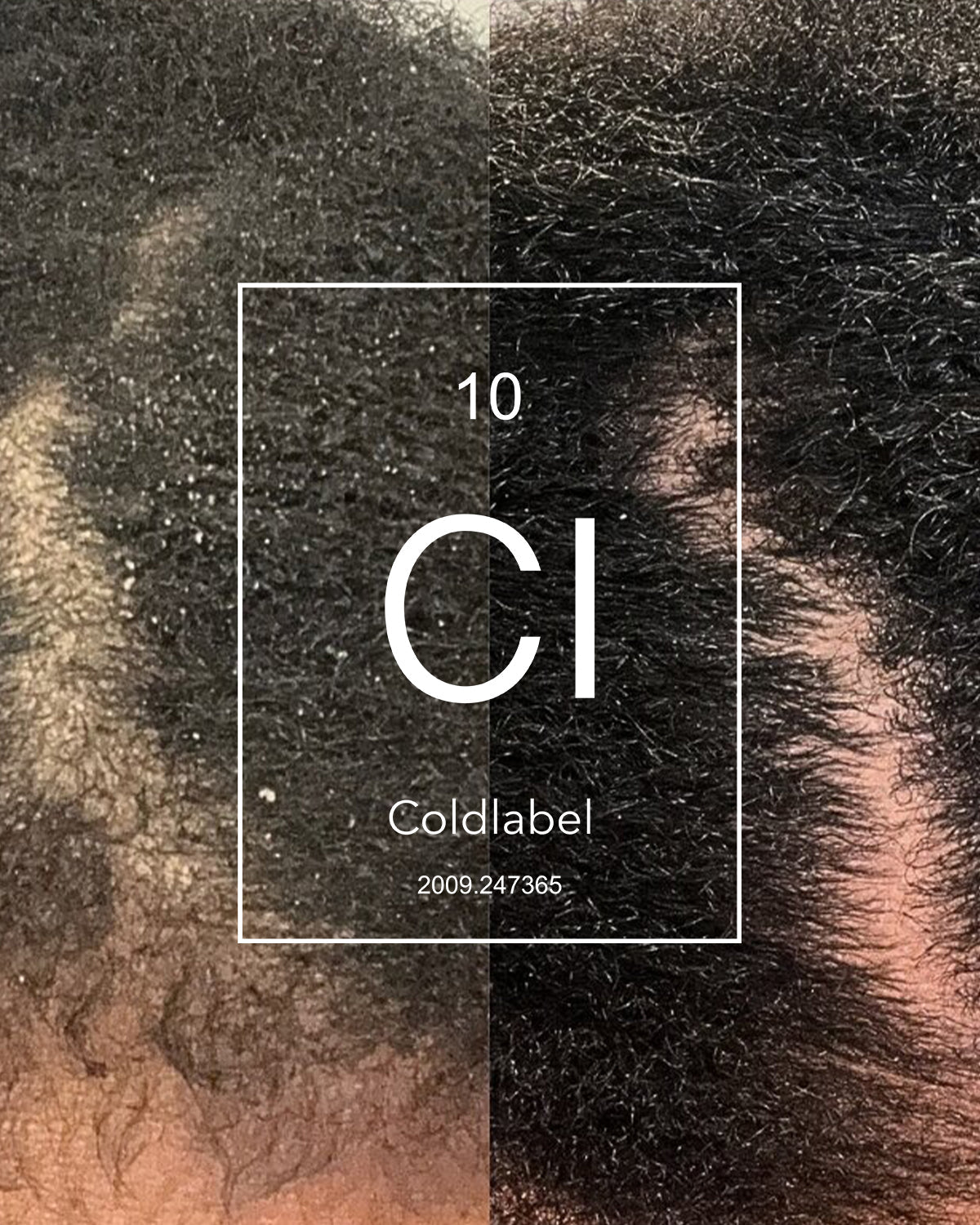
A genuinely dry scalp results from insufficient water in the outer skin layer. It may feel tight and produce small, dry flakes. Low humidity, cold weather, harsh cleansers, hot water, or irritating products can contribute to it.
Dandruff is different. It is commonly associated with oily areas of the scalp and an inflammatory response involving naturally occurring yeast and sebum. It may produce itching and white or yellowish flakes. As the American Academy of Dermatology explains, yeast and the skin’s natural oil are both believed to play a role in seborrheic dermatitis.
Adding more oil to dandruff-prone skin may not solve the underlying condition. Some dermatologists caution that direct scalp oiling can worsen seborrheic dermatitis in susceptible individuals. Mild dandruff may instead respond to regular washing and an appropriate anti-dandruff shampoo, according to AAD treatment guidance.

Possible signs of simple dryness include:
- Fine, dry flakes
- Tightness after shampooing
- Symptoms that worsen in dry weather
- Improvement with gentler washing and careful moisturization
Possible signs of dandruff or seborrheic dermatitis include:
- Persistent itching
- Greasy or yellowish scale
- Redness or inflammation
- Flaking around the eyebrows, ears, or facial hair
- Symptoms that return quickly after applying oil
These signs are not a diagnosis. Persistent symptoms should be assessed by a dermatologist or qualified healthcare professional.
How to Grease Your Scalp Without Buildup
The best way to approach greasing the scalp is with precision. The scalp does not need to feel heavily coated for a product to be effective.

1. Begin With a Clean Scalp
Oil should not be used to conceal accumulated sweat, dead skin, or styling residue. Wash the scalp according to your hair type, activity level, hairstyle, and product use.
Massage shampoo into the scalp rather than piling the hair into a rough mass. Rinse thoroughly. If you wear braids, twists, waves, or another structured style, use controlled application so the cleanser reaches the skin.
2. Confirm That the Scalp Is Actually Dry
Do not assume that every itch requires grease. Examine the scalp for redness, thick scale, sores, bumps, or greasy flakes.
If the scalp simply feels tight after washing, first consider whether the cleanser is too harsh, the water is too hot, or the scalp is being washed too aggressively.
3. Apply a Small Amount
Part the hair in sections and place a few drops or a very thin layer directly where needed. Spread the product gently with clean fingertips.
The goal is a light, even application—not a visible coating. If oil runs down the forehead or leaves the roots saturated, too much has probably been applied.

4. Massage Without Scratching
Use the pads of the fingers and light circular movements. Avoid using fingernails, which can create small injuries and intensify irritation.
A short massage can help distribute the product and make the ritual more deliberate. Massage should feel comfortable, not aggressive.
5. Monitor the Scalp
Wait before reapplying. If the scalp remains comfortable, there is no reason to add more product according to a rigid schedule.
Wash sooner if you notice:
- A waxy or sticky coating
- Increased itching
- Strong odor
- Greasy flakes
- Tenderness
- Small bumps along the scalp or hairline
Heavy or occlusive products can contribute to follicular irritation in some individuals. Scalp folliculitis may appear as itchy, sore, or crusted bumps and warrants appropriate evaluation when persistent.
Choosing an Oil for Dry Scalp
A clean ingredient list should be understandable and purposeful. More ingredients do not necessarily create a better scalp product.

Look for:
- A relatively short, clearly labeled formula
- Oils or emollients appropriate for your scalp
- Minimal fragrance if you are sensitive
- Packaging that allows controlled application
- A texture light enough for your cleansing schedule
Lightweight options such as jojoba or squalane may be easier to distribute sparingly. Coconut oil is often better reserved for the hair shaft if direct scalp application causes itching or dandruff. Dense butters and wax-heavy preparations may suit some grooming preferences but can require more thorough cleansing.
“Natural” does not automatically mean non-irritating. Essential oils and fragrant botanical extracts can cause irritation or allergic contact dermatitis. Essential oils should not be applied undiluted, and a new product should be patch-tested before broad use.
How Often Should You Grease Your Scalp?
There is no universal schedule. Some people may tolerate a small amount after washing, while others are better served by avoiding scalp oil entirely.

Frequency should be based on:
- How quickly your scalp becomes oily
- Whether you experience dandruff
- Your washing schedule
- Climate and seasonal dryness
- Exercise and perspiration
- The weight of the product
- Protective or low-manipulation hairstyles
Begin conservatively. Apply a small amount only when the scalp shows signs of dryness, then observe it for several days. Daily application is rarely necessary when a product leaves a persistent coating.
When Scalp Grease Is Not the Right Solution
Stop applying the product if it increases itching, redness, tenderness, bumps, or flakes. Seek professional guidance when symptoms are severe, persistent, or accompanied by hair loss.

A dermatologist should evaluate:
- Thick or spreading scale
- Bleeding, crusting, or open sores
- Painful pustules or bumps
- Circular areas of hair loss
- Sudden or excessive shedding
- Burning or swelling after product use
- Symptoms that do not improve with basic care
These signs may indicate seborrheic dermatitis, psoriasis, folliculitis, contact dermatitis, infection, or another condition requiring targeted treatment.
A Better Scalp Ritual
Greasing the scalp can remain a valuable part of textured-hair culture without being treated as a universal remedy. The most effective ritual begins with observation: cleanse the scalp adequately, recognize the difference between dryness and dandruff, use intentional ingredients, and apply only what the skin needs.

For some people, greasing the scalp with a light, carefully chosen product provides comfort and supports manageable hair. For others, placing oil primarily on the hair shaft—and treating the scalp according to dermatological guidance—is the healthier approach.
Substance matters more than habit. A disciplined natural scalp-care ritual is not defined by how much product is used, but by how well each step supports long-term hair and scalp health.

Frequently Asked Questions
Does greasing the scalp help hair grow?
Scalp grease has not been proven to make follicles produce hair faster. It may support length retention indirectly when it reduces dryness, friction, or unnecessary manipulation. Persistent thinning or hair loss requires evaluation of the underlying cause.
Should I grease my scalp when it is itchy?
Not automatically. Itching may result from dryness, dandruff, product irritation, psoriasis, folliculitis, or another condition. Applying oil without identifying the cause may worsen some scalp problems.
How long should oil stay on the scalp?
There is no required duration. If you tolerate scalp oil, use a small amount and remove it during your regular wash. If you are prone to buildup or dandruff, consider a short pre-shampoo treatment rather than leaving oil on the scalp for several days.
Can I grease my scalp while wearing braids?
Yes, but apply the product sparingly to exposed parts and maintain regular scalp cleansing. Tightness, itching, bumps, or soreness should not simply be covered with oil; they may indicate excessive tension, irritation, or buildup.