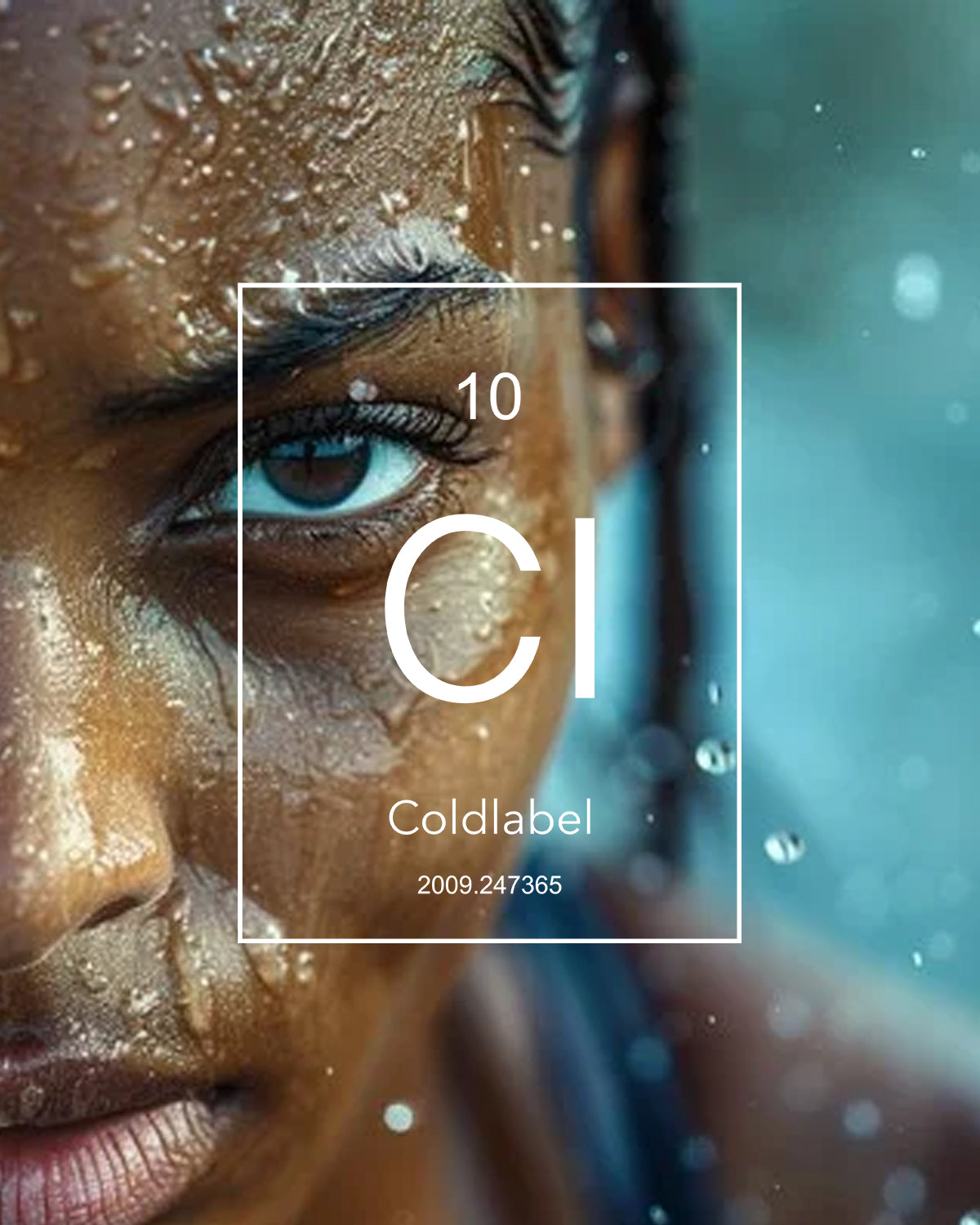
Hair Hydration vs Hair Moisturization Explained

Hair hydration vs hair moisturization is one of the most misunderstood topics in modern grooming. The terms are often used interchangeably, but they are not the same.
Understanding the difference is not cosmetic trivia. It is foundational knowledge. When you know whether your hair lacks water or lacks protective oils, you stop guessing and start treating the root cause.
In professional barbering, we approach hair the same way we approach skin: diagnose first, apply second. Hydration and moisturization serve different roles in long-term hair health. When done correctly, they support strength, elasticity, shine, and scalp integrity.
Let’s break it down clearly.

What Is Hair Hydration?
Hair hydration refers to the water content inside the hair shaft.
Hydrated hair contains sufficient water within the cortex (the inner structure of the hair strand). Water allows hair to remain flexible, elastic, and resilient.
Why Water Matters
Hair is hygroscopic, meaning it absorbs and releases water depending on its environment. When properly hydrated:
-
Hair bends without snapping
-
Curls form more consistently
-
Texture appears smoother
-
Breakage is reduced
-
Elasticity improves
When hair lacks hydration:
-
It feels brittle or stiff
-
It snaps easily
-
It looks dull
-
It tangles more frequently
Hydration is about internal water balance.
What Is Hair Moisturization?
Hair moisturization refers to sealing and maintaining that hydration using oils, butters, or occlusive ingredients.
Moisturizing products do not “add water.” They help:
-
Reduce water loss
-
Smooth the cuticle
-
Improve surface softness
-
Protect against environmental stress
If hydration is filling the glass, moisturization is placing a lid on top.
Common Moisturizing Ingredients
Professional formulations often include:
-
Plant oils (jojoba, argan, grapeseed)
-
Shea butter
-
Light waxes
-
Fatty alcohols
-
Silicone alternatives
These ingredients create a protective barrier that slows evaporation.
Moisture is about retention and protection, not water delivery.

Hair Hydration vs Hair Moisturization: The Core Difference
Here is the direct comparison:
| Hair Hydration | Hair Moisturization |
|---|---|
| Adds water to hair | Seals water in |
| Improves elasticity | Reduces water loss |
| Uses humectants and water-based formulas | Uses oils and occlusives |
| Addresses internal dryness | Addresses surface dryness |
Many grooming issues come from confusing the two.
Applying heavy oils to dehydrated hair will not fix the problem. It may temporarily add shine, but the internal structure remains dry.
Professional barbering always prioritizes hydration first.

Signs Your Hair Needs Hydration
You likely need hydration if:
-
Your hair feels dry even after applying oil
-
It breaks when stretched
-
Curls lack definition
-
Your scalp feels tight or flaky
Hydration is especially critical for:
-
Curly and coily textures
-
Chemically treated hair
-
Hair exposed to excessive heat
-
Clients in dry climates
Water is not optional. It is structural.
Signs Your Hair Needs Moisturization
You likely need moisturization if:
-
Hair feels hydrated but frizzes quickly
-
It looks dull by midday
-
You live in a windy or dry environment
-
Your hair feels rough on the surface
Moisturization helps protect what hydration has already restored.

The Role of the Scalp in Hydration and Moisture
Healthy hair begins at the scalp.
The scalp is skin. It requires:
-
Proper cleansing
-
Balanced oil production
-
Adequate hydration
Overwashing strips natural oils. Underwashing causes buildup that blocks hydration.
Scalp health fundamentals include:
-
Using balanced cleansers
-
Avoiding harsh detergents
-
Supporting the skin barrier
When the scalp is dehydrated, hair quality declines. When it is overloaded with heavy oils, follicles can become congested.
How to Hydrate Hair Properly
Professional guidance is simple: water first, then seal.
Step 1: Cleanse Without Stripping
Use a gentle cleanser that removes buildup without over-drying the scalp.
Harsh detergents compromise the hair cuticle, making hydration harder to maintain.
Step 2: Apply a Water-Based Product
Look for ingredients such as:
-
Aloe vera
-
Glycerin
-
Panthenol
-
Hydrolyzed proteins
These help attract and hold water inside the hair shaft.
Hydration should happen on damp hair, not bone-dry strands.
Step 3: Seal with Light Oils or Cream
After hydration, apply a measured amount of oil or cream to lock it in.
This is where craftsmanship matters. Too much product suffocates the hair. Too little leaves it exposed.

Humectants vs Occlusives: Ingredient Clarity
Understanding ingredient categories clarifies the difference between hydration and moisturization.
Humectants (Hydration Support)
Humectants attract water.
Examples include:
-
Glycerin
-
Aloe
-
Honey
-
Sodium PCA
These are hydration tools.

Occlusives (Moisture Sealants)
Occlusives slow water evaporation.
Examples include:
-
Shea butter
-
Jojoba oil
-
Castor oil
-
Plant waxes
These are moisturization tools.
Balanced formulations use both in proportion.

Hair Type and Texture Considerations
Hydration vs moisturization needs vary by texture.
Straight Hair
-
Typically needs lighter hydration
-
Easily weighed down by heavy oils
-
Focus on minimal sealing
Wavy Hair
-
Benefits from balanced hydration
-
Requires light sealing to reduce frizz
Curly and Coily Hair
-
Higher hydration needs
-
Cuticle structure allows faster water loss
-
Requires consistent sealing
Hydration routines should reflect structure, not trends.
Environmental Factors
Climate matters.
-
Dry climates increase water evaporation
-
Humid climates reduce dehydration but may increase frizz
-
Cold weather slows natural oil distribution
Professional grooming adjusts seasonally. Hydration and moisturization are not static year-round formulas.

Ritual Over Routine
At Coldlabel, grooming is not about chasing shine. It is about structure and longevity.
Hydration is preparation.
Moisturization is preservation.
A disciplined grooming ritual includes:
-
Intentional cleansing
-
Thoughtful hydration
-
Controlled sealing
-
Minimal excess
Heavy layering is not luxury. Precision is.
Long-term hair health is built slowly, with restraint and knowledge.
Common Mistakes
Avoid these:
-
Applying oils to dry, dehydrated hair
-
Overwashing with harsh shampoos
-
Using heavy butters daily on fine hair
-
Ignoring scalp health
-
Mistaking shine for hydration
Healthy hair feels flexible, not greasy.
Practical Weekly Framework
For most hair types:
2–3 times weekly
-
Cleanse
-
Hydrate on damp hair
-
Seal lightly
Daily
-
Light water mist if needed
-
Minimal reapplication of oil
Consistency matters more than product volume.

FAQ: Hair Hydration vs Hair Moisturization
Is hydration more important than moisturization?
Hydration comes first. Without water in the hair shaft, sealing has limited value.
Can you over-moisturize hair?
You can over-apply occlusives. Excess oils can weigh hair down and block hydration.
Does drinking water hydrate hair?
Proper hydration supports overall skin and scalp health, but direct hair hydration requires topical application.
How do I know if my hair is balanced?
Balanced hair:
-
Feels soft but not greasy
-
Bends without snapping
-
Maintains shape without stiffness
-
Holds style without excessive product
Conclusion: Water First, Seal Second
Understanding hair hydration vs hair moisturization changes how you approach grooming.
Hydration restores internal elasticity.
Moisturization protects and preserves it.
When applied in order and in proportion, they support:
-
Reduced breakage
-
Improved texture
-
Healthier scalp conditions
-
Long-term structural strength
In traditional barbering, we never apply product blindly. We observe. We diagnose. We respond with precision.
Hair does not need excess. It needs balance.
Hydrate with intention.
Seal with restraint.
Maintain with discipline.
That is the difference between temporary shine and lasting health.