Hair Thinning: How to Stop It Naturally
Hair thinning is one of the most common grooming concerns, but it is also one of the most misunderstood. Many people assume thinning hair is only about age or genetics. In reality, hair thinning can be connected to scalp inflammation, tension from styling, stress, illness, nutritional issues, hormonal shifts, medication changes, or inherited pattern loss. Dermatology sources also note that early treatment matters, because some forms of hair loss respond better when addressed sooner rather than later.
For readers who care about natural hair care, clean ingredients, and long-term scalp health, the goal is not to chase miracle claims. It is to build a better foundation. That means learning what may be causing hair thinning, protecting the follicle environment, and using a routine that supports healthier hair over time. This guide is for anyone noticing more shedding, less density, a widening part, a receding hairline, or weaker-looking hair and wanting a clear, responsible approach.

What hair thinning really means
Hair thinning can show up in different ways. For some people, it is gradual loss of density across the crown or hairline. For others, it is increased shedding in the shower, on the pillow, or during brushing. In textured hair, thinning may be harder to notice at first because the hair’s shape can mask early density changes.
From a scalp health perspective, thinning usually falls into a few broad categories:
Pattern hair loss
Pattern hair loss is the most common cause of ongoing thinning. It often follows a recognizable pattern, such as temple recession, crown thinning, or diffuse thinning through the top of the scalp. This type is linked to genetics and follicle miniaturization over time.

Shedding after stress or illness
A condition called telogen effluvium can happen after physical stress, illness, hormonal changes, or medication shifts. In this case, more hairs move into the resting phase and shed more than usual. This often appears as diffuse thinning rather than distinct bald spots.
Tension-related thinning
Tight braids, tight ponytails, repeated edge control tension, glued units, and chronic pulling can contribute to traction-related thinning. Over time, this can damage follicles, especially around the hairline and temples.

Inflammatory or medical causes
Patchy loss, scaling, pain, burning, redness, or shiny areas on the scalp can point to inflammatory or autoimmune causes. Some types of hair loss can become permanent if they scar the follicle, which is one reason sudden or unusual hair loss should not be ignored.
Why scalp health matters for thinning hair
Healthy hair depends on a healthy scalp. The follicle is living tissue, and the scalp is the environment that supports it. When the scalp is chronically irritated, inflamed, overly dry, heavily coated with product buildup, or under tension, the hair fiber and growth cycle can suffer.
This does not mean every scalp issue causes permanent thinning. It does mean that treating the scalp with more care can improve the conditions around the follicle. A clean, balanced scalp routine supports comfort, reduces avoidable stress, and helps you notice when something more serious may be happening.
For people with curly, coily, wavy, or textured hair, this point matters even more. Dense styling, heavy butters, infrequent cleansing, and tight manipulation can sometimes hide early scalp problems. A natural routine should still cleanse effectively, respect the barrier, and avoid chronic tension.
Common causes of hair thinning to look at first
Before buying more products, start with a grounded review of your habits and health.
1. Tight styling and repeated tension
Look closely at:
-
Tight braids
-
Tight ponytails or buns
-
Heavy extensions
-
Constant edge brushing
-
Adhesives or units that strain the hairline
-
Frequent twisting in the same areas
Reducing tension is one of the most practical steps you can take.
2. Scalp buildup and irritation
Heavy oils, waxes, dry shampoo residue, and infrequent washing can leave the scalp uncomfortable or congested. Product buildup does not directly “clog” hair growth in a simplistic way, but it can worsen irritation and make scalp care less effective.
3. Stress, illness, or major body changes
If thinning began a few months after illness, major stress, rapid weight change, childbirth, surgery, or medication changes, shedding may reflect a disrupted growth cycle. Telogen effluvium often improves with time, but the trigger should still be considered.

4. Nutrition or hormonal issues
Dermatologists and major medical sources note that some hair loss can be linked to underlying health issues, including nutritional deficiencies or endocrine problems such as thyroid disease. Hair thinning that feels sudden, excessive, or unexplained deserves a medical evaluation rather than guesswork.
5. Genetics
If thinning is gradual and follows a familiar family pattern, genetics may be a strong factor. Natural care still matters here, but it helps to be realistic: supportive grooming can improve scalp condition and protect hair quality, yet inherited pattern loss may also require evidence-based treatment if your goal is to slow progression.
A better natural routine for hair thinning
A good hair thinning routine should be consistent, gentle, and honest about what it can do. It should support scalp health and reduce avoidable damage.
Cleanse the scalp regularly
Use a gentle shampoo that removes sweat, debris, and styling residue without leaving the scalp stripped. The right frequency depends on your hair type, lifestyle, and styling habits, but cleansing should be regular enough that the scalp stays comfortable and clean.
Look for:
-
Mild surfactants
-
Low-fragrance or fragrance-free options if sensitive
-
Clean formulas without heavy residue
-
Balanced cleansing rather than harsh degreasing

Condition the hair, not the scalp excessively
Conditioner belongs mainly on the hair shaft and ends unless a formula is designed for scalp use. Focus on softness, slip, and breakage reduction. Thinning hair often looks worse when the strands are dry and fragile.
Choose lighter, cleaner styling products
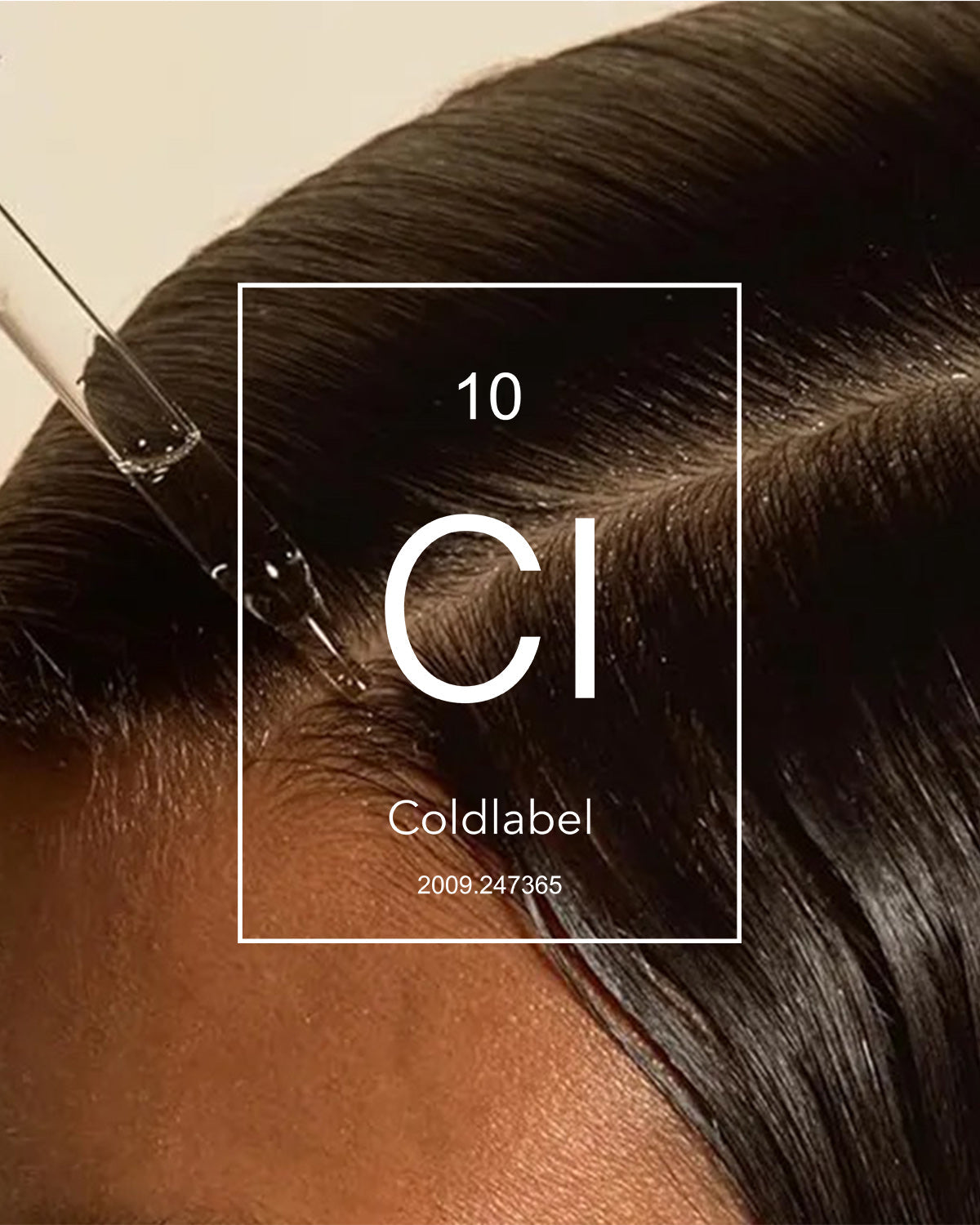
For thinning areas, avoid piling on thick residue. A lighter grooming cream, botanical serum, or clean scalp oil used sparingly is often more practical than heavy grease. The goal is to reduce friction, maintain softness, and avoid coating the scalp day after day.
Reduce manipulation
Hair that is thinning benefits from less stress:
-
Detangle gently
-
Limit aggressive brushing
-
Avoid high heat
-
Sleep on smooth fabric
-
Rotate styles
-
Leave the hairline alone
Support the scalp barrier
A comfortable scalp is a good sign. Persistent itching, burning, flaking, or tenderness is not. If your scalp feels irritated, simplify the routine. Strip out harsh fragrances, harsh cleansers, and heavy layering. Keep the process calm and consistent.
Natural ingredients that can support thinning hair care
Natural ingredients should be chosen for scalp comfort and hair fiber quality, not miracle marketing.

Useful categories include:
-
Aloe vera: can help soothe a dry or irritated scalp
-
Jojoba oil: lightweight and useful for softening without extreme heaviness
-
Rosemary-containing scalp products: commonly used in scalp routines, though users should keep expectations measured and avoid treating it as a guaranteed solution
-
Peppermint-containing formulas: may feel refreshing, but should be diluted well and avoided on irritated skin
-
Humectants and light emollients: help improve softness and reduce breakage
What matters most is formulation quality, not ingredient hype. Clean, well-made products used consistently will outperform a crowded shelf of strong claims.

When natural care is not enough
Natural grooming can improve the scalp environment, reduce breakage, and support better habits. But it is not a substitute for diagnosis when hair thinning is progressing.
According to the American Academy of Dermatology and Mayo Clinic, early evaluation matters, especially if you notice sudden shedding, patchy hair loss, scalp symptoms, or ongoing progression. Minoxidil is one of the best-known evidence-based treatments for certain types of hair loss, and dermatologists note it tends to work better when started early. It can also cause scalp irritation in some users, which is important for sensitive scalps.
See a dermatologist if you notice:
-
Sudden hair thinning
-
Patchy loss
-
Receding edges with tenderness
-
Burning, itching, or pain
-
Scaling or shiny scalp areas
-
Increased shedding that lasts for months
-
Thinning linked to illness, medication, or major body changes
A grounded routine is valuable. A correct diagnosis is even more valuable.
Conclusion: focus on protection, patience, and the scalp first
If you want to stop hair thinning naturally, begin with what is within reach: reduce tension, cleanse the scalp consistently, avoid buildup, use lighter clean formulations, and handle the hair with more restraint. That approach supports long-term scalp health and gives your hair a better environment to stay strong.
But responsible grooming also means knowing the limits of home care. Hair thinning is not one condition. It is a symptom with multiple possible causes, from inherited pattern loss to stress shedding to traction and inflammation. The best routine for hair thinning is one built on patience, observation, and scalp health first. That is the path that aligns with real care, not trend chasing.

FAQs
Can hair thinning be reversed naturally?
Sometimes, depending on the cause. Thinning related to stress, breakage, poor scalp care, or traction may improve when the trigger is corrected. Genetic pattern thinning is harder to reverse with natural care alone and may need medical treatment.
What is the best scalp routine for hair thinning?
A strong routine includes regular cleansing, gentle conditioning, reduced tension, lighter styling products, and attention to irritation or shedding changes. The goal is a calm, clean scalp and less mechanical damage.
Does oiling the scalp help thinning hair?
Not always. A small amount of the right oil may help with comfort or dryness, but heavy oiling can worsen buildup for some people. Scalp care should be based on what your scalp actually needs, not on excess product.
When should I worry about hair thinning?
Take it seriously if it is sudden, patchy, painful, linked to illness or medication changes, or steadily getting worse. Those are good reasons to see a dermatologist or physician.