Health and Wellness and Beauty | A Grooming Guide
Beauty is often treated as something applied from the outside: a moisturizer, hair product, fresh haircut, beard oil, facial treatment, or carefully chosen grooming routine. These things matter. But the condition of the skin, hair, scalp, beard, and overall appearance is also influenced by what is happening inside the body.
Nutrition, hydration, sleep, physical activity, stress, and everyday habits can all affect how we look and feel. A skilled barber can sharpen a haircut. A well-formulated grooming product can condition the hair or support the skin barrier. But neither can completely compensate for consistently poor health habits.

For anyone serious about long-term grooming, the relationship between health and wellness and beauty deserves attention. The goal is not perfection. It is to create conditions that allow the body—and the grooming ritual built around it—to function at its best.
Beauty Is More Than Cosmetic
Healthy-looking hair and skin depend on complex biological processes.
Hair grows from follicles supplied by the body. Skin continually renews itself and depends on an effective barrier to retain moisture and protect against the environment. Sebaceous glands produce oils that influence both skin and scalp conditions.
These systems require adequate nutrition, circulation, hydration, recovery, and normal physiological function.
This is why grooming should not be viewed exclusively as cosmetic maintenance. The strongest approach works from both directions:
Health supports the foundation. Grooming refines the presentation.

This principle has existed in grooming traditions for generations. Before shelves became crowded with highly specialized products, personal care was closely connected with bathing, diet, oils, herbs, physical cleanliness, massage, rest, and disciplined daily habits.
Modern grooming can benefit from recovering some of that perspective.
Nutrition Provides the Raw Materials for Hair and Skin
Hair is composed primarily of keratin, a protein. Skin also depends on adequate protein and numerous micronutrients for normal structure, repair, and function.
That makes nutrition part of a serious grooming strategy.
A balanced diet should generally provide adequate protein, essential fats, vitamins, minerals, fruits, vegetables, and other nutrient-dense foods.

Nutrients associated with normal hair and skin function include:
-
Protein
-
Iron
-
Zinc
-
Essential fatty acids
-
Vitamins A, C, D and E
-
B vitamins
More is not necessarily better. Excessive supplementation can sometimes be harmful, and certain nutritional deficiencies should be properly diagnosed rather than guessed at.
The better principle is simple: build grooming health on a varied, balanced diet rather than expecting supplements or topical products to replace good nutrition.
Hydration Supports Normal Skin Function
Water is sometimes marketed as though drinking an extra glass will instantly create flawless skin. The relationship is more nuanced.
The body requires adequate hydration for normal physiological function. Meanwhile, healthy-looking skin depends heavily on the integrity of its outer barrier and its ability to limit excessive water loss.
For grooming purposes, think about hydration in two ways.

Internal hydration
Drink enough fluids to meet your body's needs. Requirements differ depending on activity, climate, diet, health, and other factors.
External moisture management
Use appropriate cleansing and moisturizing practices to avoid unnecessarily stripping the skin and scalp.
For textured hair in particular, maintaining moisture can be challenging because natural scalp oils may not travel as easily along tightly curved strands. Good conditioning practices and appropriate oils, butters, or styling products can help manage softness, lubrication, and moisture retention.
Sleep Is Part of the Grooming Ritual
Sleep is rarely discussed beside pomade, beard oil, or skin care, but recovery deserves a place in any serious conversation about appearance.
Sleep supports numerous processes involved in normal immune, metabolic, hormonal, and tissue function. Poor sleep can also influence how rested a person looks and feels.

No facial oil can fully imitate genuine recovery.
This does not mean one poor night's sleep ruins your skin. Health is built through patterns, not isolated days. Consistently prioritizing sufficient, good-quality sleep provides the body with something cosmetics cannot manufacture: recovery time.
A disciplined evening grooming ritual can support this mindset. Cleanse. Moisturize. Prepare the hair if necessary. Put the phone away. Rest.
Grooming becomes more valuable when it contributes to a larger ritual of personal maintenance.
Physical Activity Can Support a Healthier Appearance
Regular physical activity supports cardiovascular health, metabolic health, strength, mobility, and general well-being.
Exercise also temporarily increases blood flow to the skin. But claims that sweating "detoxifies" the skin should be treated cautiously. The body's primary systems for processing and eliminating many waste products involve organs such as the liver and kidneys—not the sweat glands.
From a grooming perspective, exercise introduces another consideration: cleanliness.
Sweat, oil, dead skin, friction, hats, helmets, and workout equipment can create an uncomfortable environment for the scalp and skin if hygiene is neglected.

After heavy sweating:
-
Allow the scalp to dry rather than remaining damp for extended periods.
-
Cleanse appropriately when necessary.
-
Avoid leaving heavily soiled hats or headwear in repeated contact with the scalp.
-
Wash pillowcases, durags, wave caps, towels, and grooming fabrics regularly.
-
Replenish moisture if cleansing leaves the skin or hair dry.
Physical fitness and grooming should complement one another.
Stress Can Show Up in Your Grooming
Stress is normal. Chronic or excessive stress, however, can influence sleep, appetite, behavior, and various physiological processes.
Significant stress can also be associated with some forms of increased hair shedding. Skin conditions may also become more difficult for some people during stressful periods.
This does not mean every breakout, dry scalp, or shedding episode is caused by stress. Hair and skin conditions have many possible causes, and persistent problems deserve appropriate professional evaluation.
The practical lesson is that stress management belongs within a broader approach to wellness.
Exercise, adequate sleep, time outdoors, meaningful relationships, relaxation practices, hobbies, and simply creating periods without constant stimulation can all form part of a healthier lifestyle.

Even grooming itself can serve a purpose here.
There is value in slowing down to brush the hair properly, massage the scalp, shape the beard, shave carefully, or prepare for the day with intention.
Ritual creates order.
Scalp Health Is Part of Whole-Body Grooming
Healthy-looking hair begins with appropriate care of the scalp.
The scalp is skin. It produces sebum, sheds cells, supports hair follicles, and maintains its own microbial environment. Treating the hair beautifully while repeatedly neglecting the scalp is an incomplete strategy.

A sound scalp ritual should focus on fundamentals:
Clean appropriately
Remove excess oil, sweat, debris, and accumulated styling products without unnecessarily over-cleansing.
Avoid excessive buildup
Heavy layers of product are not automatically beneficial. Use the amount required to achieve the intended result.
Protect the scalp from unnecessary irritation
Aggressive scratching, excessive tension, harsh chemicals, and repeated mechanical irritation can work against long-term grooming health.
Pay attention to persistent changes
Severe itching, inflammation, unusual scaling, sores, sudden hair loss, or persistent scalp problems deserve evaluation by an appropriate healthcare professional.
Barbering Is Part of Preventive Grooming
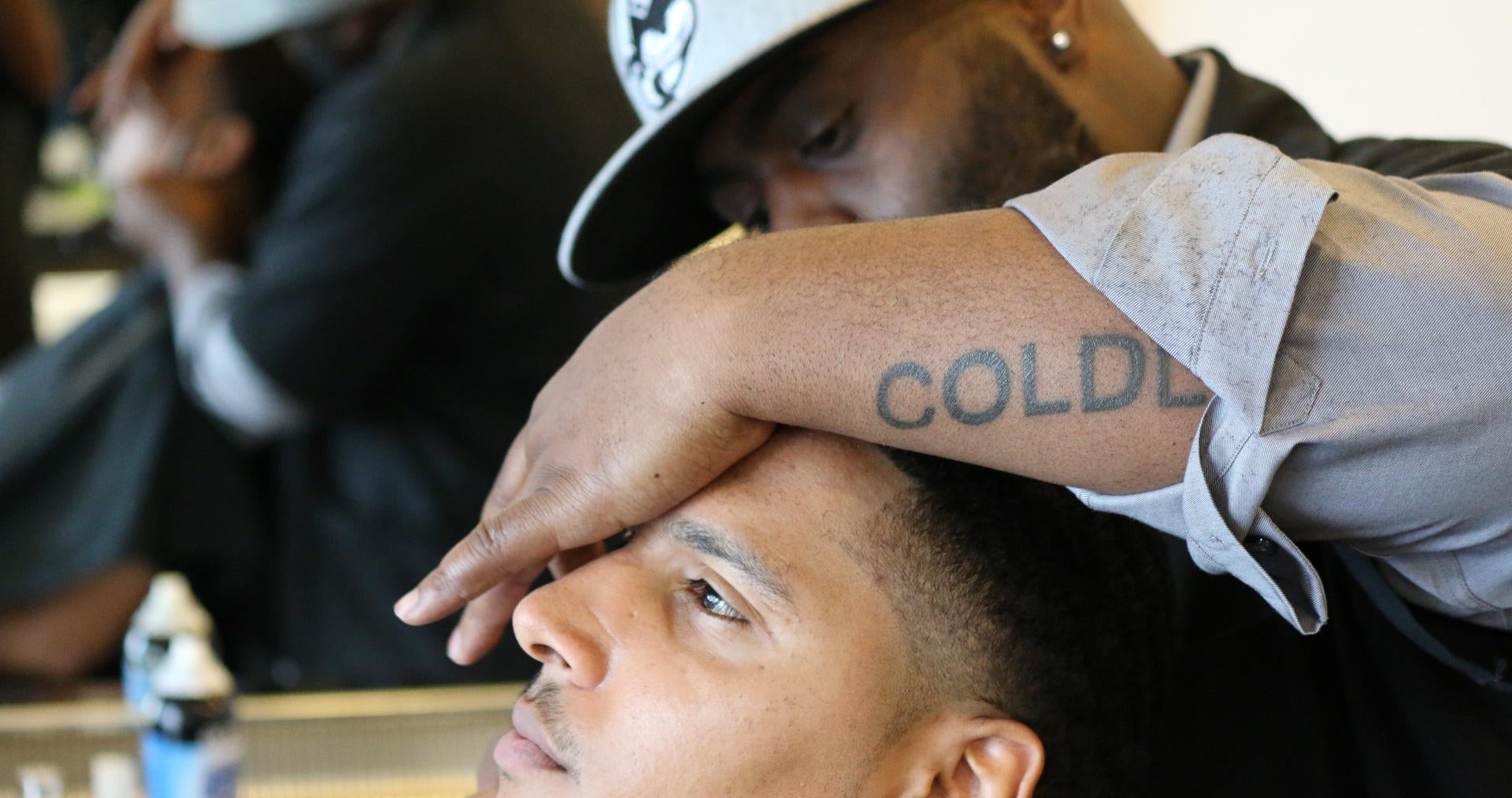
The barbershop has traditionally been more than a place where excess hair is removed.
A knowledgeable barber regularly observes the hair, beard, scalp, hairline, and skin at close range. While a barber should not diagnose medical conditions, an experienced professional may notice changes that a client has overlooked.

Regular professional grooming also encourages maintenance.
A barber can help manage:
-
Haircut shape and proportion
-
Beard structure
-
Hairline maintenance
-
Appropriate styling practices
-
Product application
-
Grooming frequency
-
Basic scalp and hair observations
The distinction between barbering and medicine should always remain clear. But professional grooming can still be an important part of maintaining appearance and noticing when something deserves greater attention.
Products Should Support Health, Not Fight Against It
Good grooming products should have a defined purpose.
A cleanser should cleanse appropriately. A conditioner should improve manageability and reduce excessive friction. A pomade should provide the intended control and finish. An oil should lubricate and condition where appropriate.

The goal is not to accumulate the largest possible collection of products.
It is to understand what your hair, scalp, beard, and skin actually need.
This is where craftsmanship matters. Thoughtful formulation and careful ingredient selection can produce products designed around function rather than novelty.
The same restraint should guide the person using them.
Use enough.
Use it correctly.
Give it time.
Observe the results.
Adjust when necessary.
That is a grooming ritual—not product consumption for its own sake.
The Most Effective Beauty Routine Is Often a Lifestyle
There is no single food, herb, oil, exercise, or grooming product that creates health by itself.
Long-term appearance is shaped by patterns.
Someone serious about wellness for healthy skin and hair should think beyond the bathroom cabinet. A stronger foundation includes balanced nutrition, adequate hydration, regular physical activity, sufficient sleep, appropriate stress management, good hygiene, scalp care, professional grooming, and carefully selected products.

None of these needs to become excessive.
In fact, restraint is often the more sustainable approach.
The objective is consistency.
Conclusion: Build Health First, Then Refine the Presentation
The relationship between health and wellness and beauty is straightforward in principle: appearance does not exist separately from the body.
Hair grows from living follicles. Skin responds to internal and external conditions. Sleep influences recovery. Nutrition provides essential materials. Physical activity supports overall health. Stress can affect behavior and physiology. Grooming then works upon this foundation.
That is why serious grooming should be treated as a ritual of maintenance rather than a temporary cosmetic fix.
Eat well. Hydrate appropriately. Move regularly. Sleep sufficiently. Keep the scalp and skin clean without abusing them. Choose grooming products with purpose. Visit skilled professionals. Pay attention to changes.
Then repeat.
True grooming is not about chasing the appearance of health.
It is about creating habits that support health—and allowing careful craftsmanship to refine what is already there.

Frequently Asked Questions
Does being healthy make you look better?
Good health habits can support normal skin, hair, energy, body composition, and overall appearance. However, appearance is also influenced by genetics, age, environment, medical conditions, and other factors. Health should therefore be pursued for its broader benefits rather than solely for cosmetic results.
Can diet improve hair and skin?
Adequate nutrition provides protein, fats, vitamins, minerals, and other nutrients needed for normal hair and skin function. Correcting a genuine nutritional deficiency may be important, but no individual food guarantees better hair or skin.
How does sleep affect beauty and grooming?
Sleep supports normal recovery and physiological function. Consistently inadequate sleep may also affect how rested the face and skin appear. Good sleep is therefore a useful part of a complete grooming and wellness strategy.
What is the connection between scalp health and hair health?
Hair follicles are located within the scalp, so maintaining a clean, comfortable scalp and avoiding unnecessary irritation provides a better environment for normal hair function. Persistent scalp symptoms or unexplained hair loss should be evaluated professionally.