Herbs for Hair Health: Natural Growth & Strength Guide
Hair that lacks strength, moisture, or growth often reflects something deeper than surface-level care. Many people rely on commercial products, yet still struggle with dryness, thinning, or scalp irritation. The issue is not always what you’re using—but what your hair and scalp are missing.
Herbs for hair health offer a grounded, time-tested approach rooted in botanical function rather than synthetic shortcuts. For those seeking natural solutions—especially individuals with curly, coily, wavy, or textured hair—herbal care can restore balance, improve scalp condition, and support stronger, more resilient hair over time.
This guide is for anyone looking to improve hair health naturally, with a focus on clean ingredients, practical methods, and long-term results.

Why Herbs Matter for Hair Health
Hair grows from the scalp, and the scalp behaves like skin—requiring circulation, nourishment, and balance. Herbs work not by forcing rapid change, but by supporting the biological conditions that allow hair to thrive.
Key benefits of herbal hair care include:
- Supporting scalp circulation
- Reducing inflammation and irritation
- Strengthening hair strands
- Improving moisture retention
- Balancing oil production
Unlike synthetic treatments that often mask issues, herbs work gradually, reinforcing the foundation of healthy hair.
Best Herbs for Hair Health and Growth
Below are some of the most effective herbs used in natural hair care, valued for their ability to support both scalp and strand integrity.
Rosemary: Circulation and Growth Support
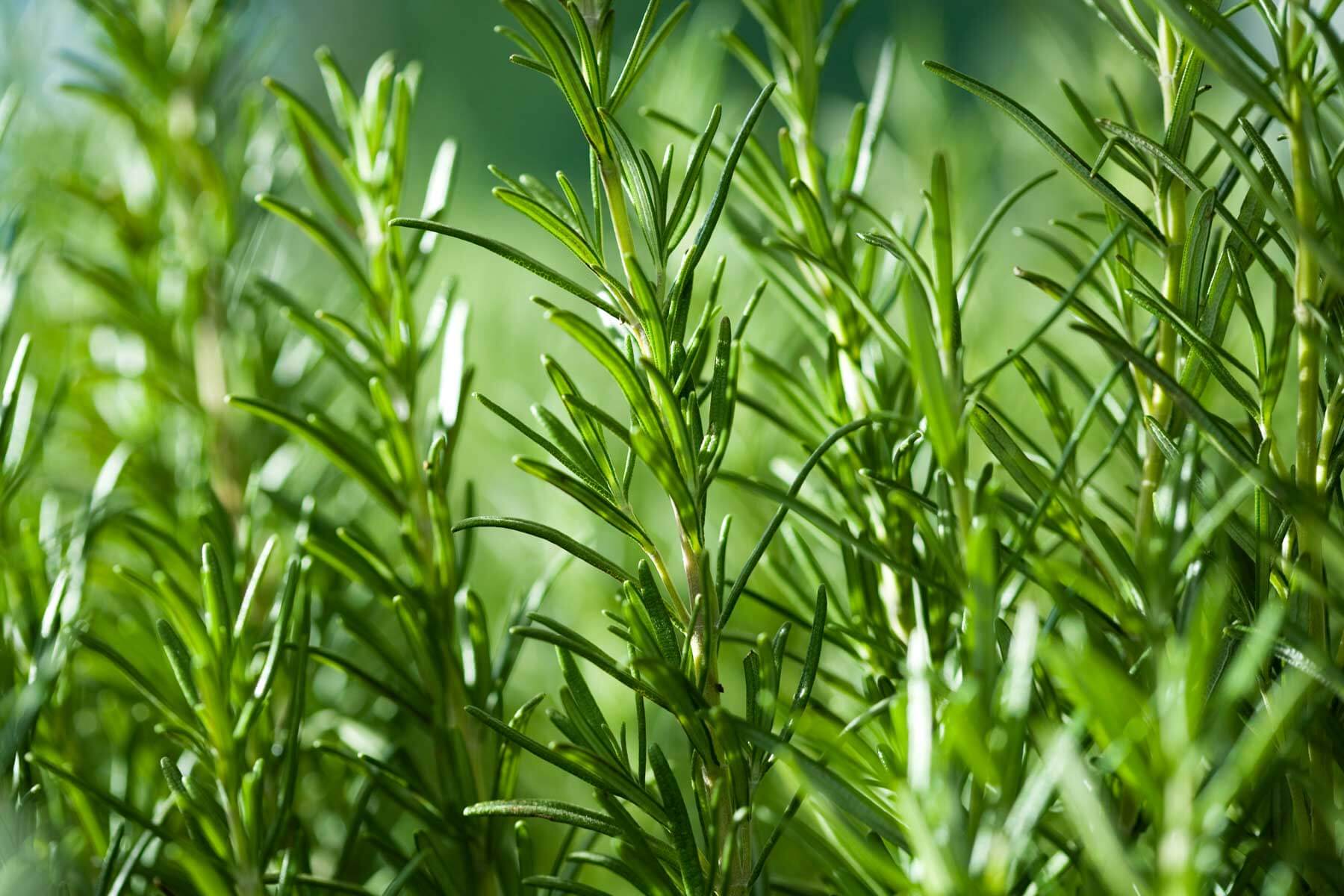
Rosemary is one of the most widely respected herbs for hair growth. It helps stimulate blood flow to the scalp, which supports the delivery of oxygen and nutrients to hair follicles.
Benefits:
- Encourages stronger hair growth
- May help reduce shedding
- Supports scalp clarity
Best use:
- Infused oil
- Herbal rinse
Fenugreek: Strength and Moisture Retention

Fenugreek seeds are rich in proteins and mucilage, a gel-like substance that coats the hair and improves moisture retention.
Benefits:
- Reduces breakage
- Improves softness and manageability
- Supports thicker-looking hair
Best use:
- Soaked seed gel
- Hair mask
Nettle: Nutrient Density for Hair Strength

Nettle is dense in minerals like iron, silica, and magnesium—nutrients associated with hair strength and resilience.
Benefits:
- Strengthens hair strands
- Supports scalp health
- May help reduce excessive shedding
Best use:
- Herbal tea rinse
- Scalp tonic
Amla: Thickness and Scalp Balance
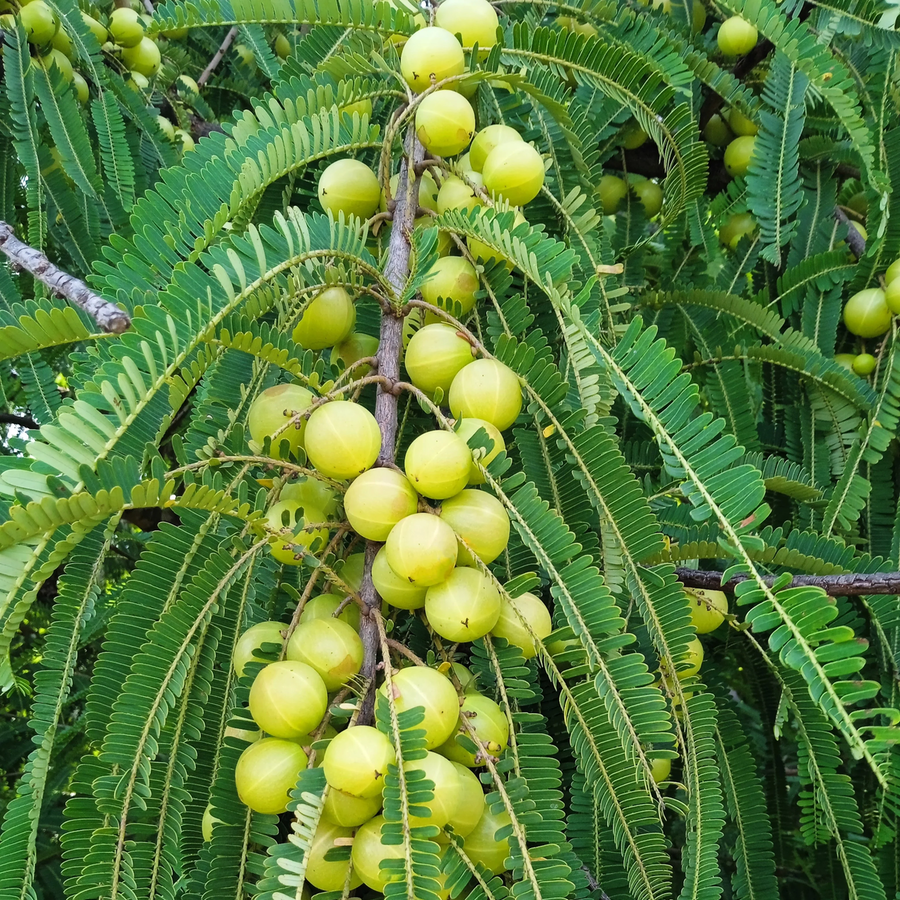
Amla, also known as Indian gooseberry, is widely used in Ayurvedic hair care. It is rich in antioxidants and vitamin C.
Benefits:
- Enhances hair thickness
- Improves scalp condition
- Adds natural shine
Best use:
- Powder mask
- Infused oil
Hibiscus: Conditioning and Elasticity
Hibiscus helps soften hair and improve elasticity, making it particularly beneficial for textured or dry hair types.
Benefits:
- Conditions and softens hair
- Reduces breakage
- Enhances natural curl pattern
Best use:
- Hair mask
- Herbal rinse
Brahmi: Root Strength and Calm Scalp
Brahmi is known for strengthening hair at the root while calming the scalp.
Benefits:
- Supports stronger roots
- Helps reduce scalp irritation
- Promotes fuller-looking hair
Best use:
- Oil infusion
- Powder mask
How to Use Herbs for Hair Health
Herbal care is most effective when used consistently and with intention. The goal is not quick results, but steady improvement.
1. Herbal Oil Infusions
Infusing herbs into oils (such as olive, jojoba, or coconut) allows fat-soluble compounds to nourish the scalp and hair.
How to use:
- Massage into scalp 2–3 times per week
- Leave in or wash out after several hours

2. Herbal Rinses
Herbal teas can be used as a final rinse after washing.
How to use:
- Brew herbs in hot water
- Cool and pour over hair
- Do not rinse out
3. Herbal Masks
Powdered herbs can be mixed with water or aloe to create nutrient-rich treatments.
How to use:
- Apply to scalp and hair
- Leave for 20–40 minutes
- Rinse thoroughly
Choosing the Right Herbs for Your Hair Type
Different hair types respond differently to herbs. Selection should be intentional.
For dry or brittle hair:
- Fenugreek
- Hibiscus
- Brahmi
For thinning or shedding:
- Rosemary
- Nettle
- Amla
For scalp irritation or buildup:
- Brahmi
- Nettle
- Rosemary
Common Mistakes to Avoid
- Inconsistency: Herbal care requires time and repetition
- Overuse of protein-rich herbs: Can lead to stiffness
- Ignoring scalp health: Healthy hair begins at the root
- Using low-quality herbs: Purity matters

Conclusion: A Return to Foundational Care
Herbs for hair health are not a trend—they are a return to foundational grooming. They work by restoring balance, strengthening the scalp, and supporting hair at its source.
In a space crowded with quick fixes, herbal care stands apart. It is slower, more deliberate, and ultimately more sustainable.
For those committed to long-term hair health—especially within textured hair communities—herbs offer a disciplined, effective path forward. Not as a replacement for all products, but as a foundation that elevates everything else you use.
FAQ
What is the best herb for hair growth naturally?
Rosemary is widely regarded as one of the most effective herbs for supporting hair growth due to its ability to improve scalp circulation.
Can herbs really improve hair thickness?
Yes, herbs like amla, nettle, and fenugreek can support stronger strands and reduce breakage, which contributes to fuller-looking hair over time.
How often should I use herbal treatments on my hair?
2–3 times per week is generally effective for oils or rinses, while masks can be used once weekly depending on hair needs.
Are herbal treatments safe for all hair types?
Most herbs are suitable for all hair types, but results vary. It’s best to start with small applications and observe how your hair responds.