How Petroleum Based Hair Products Affect Your Scalp and Hair
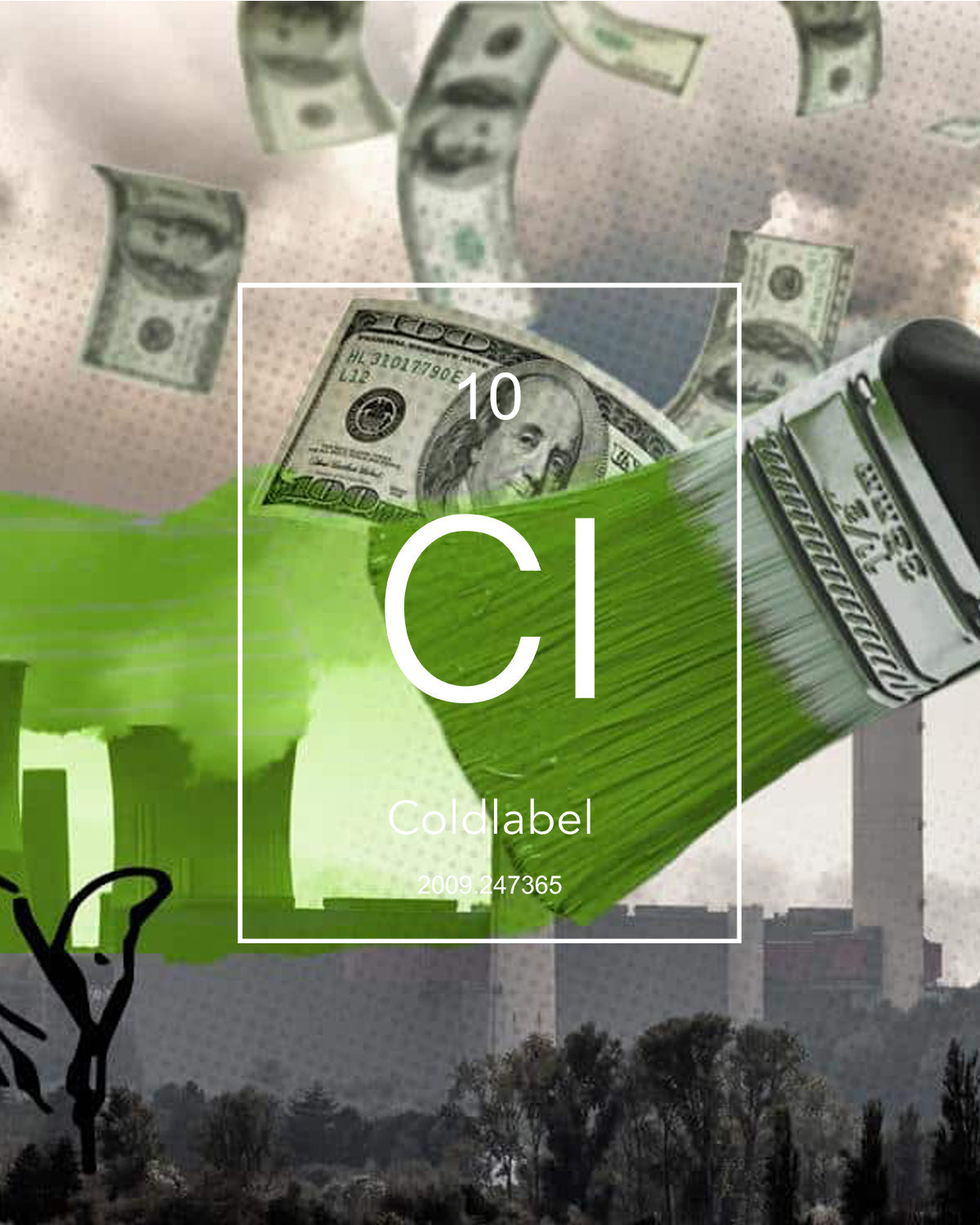
Many people reach for hair products that promise shine, moisture, hold, or protection without paying much attention to the ingredient label. One of the most common ingredients found in traditional pomades, hair greases, and styling products is petroleum. While petroleum-based hair products have been used for generations, questions continue to arise about their long-term impact on hair health and scalp condition.
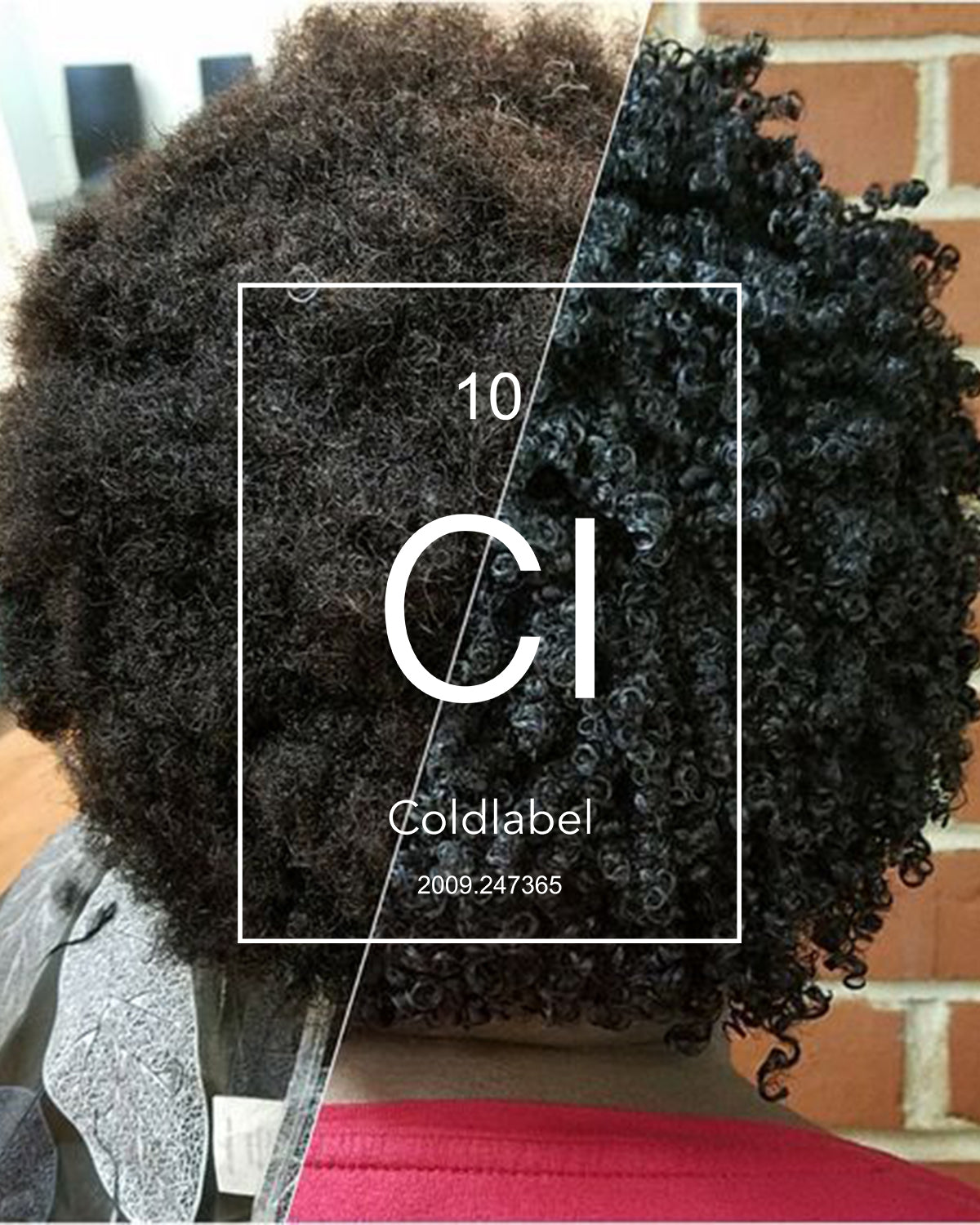
For individuals focused on natural hair care, scalp health, and clean grooming routines, understanding the role of petroleum is important. This is especially true for people with curly, coily, wavy, thick, or textured hair, where moisture balance and scalp function play a critical role in overall hair quality.

This article explains what petroleum-based hair products are, how they interact with the hair and scalp, their potential advantages and drawbacks, and what alternatives may better support long-term hair health.
What Are Petroleum Based Hair Products?
Petroleum is a highly refined byproduct derived from crude oil. In grooming products, it commonly appears as:
- Petrolatum
- Petroleum jelly
- Mineral oil
- Paraffin derivatives
These ingredients are frequently used in:
- Hair greases
- Traditional pomades
- Edge control products
- Heavy styling products
- Certain scalp treatments
Petroleum ingredients are valued because they create a barrier that helps reduce moisture loss from the hair shaft.
However, preventing moisture loss and actually moisturizing hair are two different things.

How Petroleum Interacts With Hair
Petroleum Does Not Add Moisture
One of the most common misconceptions is that petroleum moisturizes hair.
In reality, petroleum is considered an occlusive ingredient. This means it forms a coating over the surface of the hair and scalp. While that coating can help slow water evaporation, it does not provide hydration itself.
If hair is already dry before petroleum is applied, the ingredient may simply seal in dryness rather than improve moisture levels.
This distinction is especially important for textured hair types, which naturally require careful moisture management.
Temporary Shine Can Mask Hair Condition
Petroleum-based products often create a glossy appearance.
While shine can make hair look healthier, appearance and condition are not always the same thing.
Hair may appear:
- Smooth
- Glossy
- Well-conditioned
Yet still suffer from:
- Dehydration
- Brittleness
- Reduced elasticity
The visual effect of petroleum can sometimes hide underlying moisture deficiencies rather than address them.

The Impact of Petroleum on Scalp Health
Heavy Build-Up Can Accumulate Over Time
Because petroleum is thick and water-resistant, it can be difficult to remove completely.
Repeated use may contribute to:
- Product accumulation
- Scalp congestion
- Dull-looking hair
- Increased cleansing requirements
Individuals who use multiple styling products often experience even greater build-up because petroleum can trap additional ingredients against the scalp and hair shaft.
Potential Interference With Scalp Function
Healthy hair begins with a healthy scalp.
The scalp naturally produces sebum, sheds dead skin cells, and maintains a delicate balance of moisture and oil production.
Heavy layers of petroleum may create an environment where:
- Dead skin cells accumulate
- Excess oil becomes trapped
- Hair follicles remain coated for extended periods
While petroleum itself is not known to directly damage hair follicles, excessive build-up may contribute to an unhealthy scalp environment that makes optimal hair growth more difficult.

Challenges for Individuals With Scalp Conditions
People managing scalp concerns such as:
- Flaking
- Itching
- Sensitivity
- Seborrheic dermatitis
may find that heavy occlusive products worsen discomfort if they are not removed properly.
A cleaner scalp environment often supports better long-term management of common scalp issues.
Petroleum and Textured Hair
Why Curly and Coily Hair Requires Special Consideration
Curly and coily hair structures make it more difficult for natural scalp oils to travel from root to tip.
As a result, textured hair frequently benefits from ingredients that:
- Support hydration
- Improve flexibility
- Reduce breakage
- Nourish the scalp
Petroleum can help reduce moisture loss, but it does not provide many of the nutrients, fatty acids, antioxidants, or conditioning compounds found in plant-based oils and butters.
For this reason, many natural hair enthusiasts prefer formulations built around botanical ingredients.

The Difference Between Sealing and Nourishing
A useful distinction is:
Sealing Ingredients
- Petroleum
- Petrolatum
- Mineral oil
Nourishing Ingredients
- Jojoba oil
- Argan oil
- Castor oil
- Shea butter
- Avocado oil
Sealing ingredients primarily create a barrier.
Nourishing ingredients often provide beneficial fatty acids and conditioning properties that support the hair and scalp themselves.
The healthiest routines frequently combine hydration, nourishment, and protection rather than relying on heavy occlusive ingredients alone.

Are Petroleum Based Hair Products Ever Useful?
A balanced discussion should acknowledge that petroleum is not universally harmful.
Petroleum-based products may provide benefits in certain situations:
- Protecting hair from excessive moisture loss
- Creating strong hold for styling
- Reducing friction
- Improving short-term manageability
Some individuals use petroleum products successfully for years without noticeable problems.
The issue is less about immediate damage and more about whether the ingredient supports optimal long-term scalp and hair health compared to modern alternatives.
For many consumers focused on clean grooming and natural hair care, the answer is often no.
Better Alternatives for Long-Term Hair Health
Plant Oils
High-quality plant oils can help support both hair and scalp condition.
Popular options include:
- Jojoba oil
- Argan oil
- Castor oil
- Grapeseed oil
- Sweet almond oil
Natural Butters
Natural butters provide protective benefits while also contributing conditioning properties.
Examples include:
- Shea butter
- Mango butter
- Cocoa butter
Botanical-Based Pomades and Styling Products
Modern grooming formulations increasingly rely on:
- Plant-derived oils
- Natural waxes
- Herbal extracts
- Botanical emollients

These ingredients often provide hold and manageability while supporting a cleaner grooming philosophy focused on long-term hair health.
Building a Scalp-First Grooming Routine
The healthiest hair routines start with scalp care rather than styling.
Consider these foundational principles:
- Cleanse regularly without over-stripping.
- Prioritize scalp health first.
- Hydrate hair before sealing moisture.
- Use ingredients with conditioning value.
- Avoid excessive product accumulation.
- Choose formulations that support long-term hair quality.
This scalp-first approach aligns with a more intentional grooming philosophy—one focused on sustainable results rather than temporary cosmetic effects.
Conclusion
Petroleum based hair products have been a staple of grooming culture for decades, but their role in modern hair care deserves closer examination. While petroleum can reduce moisture loss and provide shine or hold, it does not moisturize hair, nourish the scalp, or contribute meaningful conditioning benefits.
For individuals seeking healthier hair naturally, especially those with curly, coily, wavy, or textured hair, a routine centered on scalp health, hydration, and clean grooming ingredients often offers greater long-term benefits.
The goal is not simply to make hair look healthy for a day. The goal is to create conditions that allow hair and scalp health to improve over time. Choosing products that nourish as well as protect can help support stronger, healthier hair for years to come.

Frequently Asked Questions
Are petroleum based hair products bad for hair?
Petroleum products are generally effective at reducing moisture loss, but they do not provide hydration or nourishment. Excessive use may contribute to build-up and scalp congestion. These are important considerations for long term use.
Does petroleum help hair grow?
There is no strong evidence that petroleum directly stimulates hair growth. Healthy growth is more closely linked to scalp health, genetics, nutrition, and proper hair care practices.
Is petroleum jelly good for natural hair?
No. Petroleum jelly can help seal moisture into natural hair, but it does not moisturize hair itself. Many people prefer plant-based alternatives that provide additional conditioning benefits.
What is the best alternative to petroleum based hair products?
Botanical oils, natural butters, and clean grooming formulations made with plant-derived ingredients are commonly preferred for supporting long-term scalp and hair health.