How to Choose a Hairstyle for Maximum Aesthetic
A great hairstyle does more than follow trends—it creates balance, highlights your strongest features, and supports the long-term health of your hair and scalp. Many people choose styles based on what they see online, only to discover that the same haircut doesn't produce the same results. That's because facial structure, hair texture, scalp condition, and daily maintenance all play equally important roles.
If you've ever wondered how to choose the best hairstyle for your face shape, this guide is for you. Whether your hair is curly, coily, wavy, thick, or straight, selecting the right style begins with understanding what naturally suits you—not what happens to be fashionable. The goal is lasting confidence built on healthy grooming practices rather than short-lived trends.

A thoughtful grooming ritual values healthy hair first and style second. When your hair and scalp are healthy, almost every hairstyle looks better.
Start With Hair Health Before Style
Before choosing any hairstyle, evaluate the condition of your hair and scalp. Even the most technically skilled haircut cannot compensate for unhealthy hair.
Healthy hair typically has:
- Good elasticity
- Minimal breakage
- Balanced moisture
- Comfortable scalp without persistent irritation
- Consistent curl or wave pattern
Common scalp issues such as excessive dryness, heavy buildup, dandruff, or inflammation may affect how your hair lays, curls, or responds to styling.
Prioritizing scalp health through gentle cleansing, proper hydration, and clean grooming products creates the foundation for every hairstyle.
Natural oils, botanical butters, and mild cleansers often support long-term scalp comfort without unnecessary harsh ingredients.
Match Your Hairstyle to Your Face Shape
One of the simplest ways to improve your appearance is by choosing a hairstyle that complements your facial proportions rather than competing with them.
Oval Face
An oval face is naturally balanced and works well with almost every hairstyle.
Excellent choices include:
- Waves
- Buzz cuts
- Side parts
- Classic taper
- Short curls
- Textured crop
- Medium-length natural curls

Because facial proportions are already balanced, avoid excessive volume that hides the forehead or jawline.
Round Face
The objective is creating visual length.
Consider:
- High taper fades
- High-top curls
- Pompadours
- Structured waves
- Styles with height on top
Avoid hairstyles that add excessive width along the sides, which can make the face appear fuller.
Square Face
Strong jawlines benefit from styles that maintain structure while softening sharp angles.
Ideal options include:
- Low taper fades
- Side parts
- Short curls
- Slick back styles
- Medium-length textured styles
Square faces typically pair well with clean, classic barbering.
Rectangle or Oblong Face
Length is already prominent.
Choose hairstyles that create balance rather than additional height.
Examples include:
- Medium curls
- Natural afros
- Moderate-length textured cuts
- Low-volume waves
Very tall pompadours or excessive height can exaggerate facial length.
Diamond Face
A diamond face features pronounced cheekbones with a narrower forehead and jaw.

Balanced options include:
- Curly tops
- Medium-length curls
- Side-part styles
- Layered textured cuts
Adding controlled fullness near the forehead often creates better proportion.
Work With Your Natural Hair Texture
Trying to force your hair into a completely different texture usually leads to unnecessary damage and frustration.
Instead, choose styles that enhance your natural pattern.
Curly Hair
Curly hair benefits from:
- Layered cuts
- Moisture-focused routines
- Curl-supporting creams
- Gentle detangling
Avoid excessive heat styling whenever possible.
Coily Hair
Coily hair offers tremendous versatility.
Popular healthy options include:
- Waves
- Tapers
- Afros
- Twist styles
- Braids
- Starter locs
Moisture retention and scalp care become especially important.

Natural oils and botanical conditioners can help reduce dryness while supporting elasticity.
Wavy Hair
Wavy hair responds well to:
- Classic side parts
- Medium textured cuts
- Modern crop styles
- Natural brushed finishes
Avoid heavy products that flatten natural movement.
Thick Hair
Dense hair allows for many styling options but often requires strategic weight removal during cutting.
Proper layering improves:
- Shape
- Movement
- Manageability
Choose Products That Support the Hair
Many styling products focus only on hold while ignoring long-term hair health.
When evaluating products, look for formulations that emphasize:
- Botanical oils
- Plant butters
- Natural waxes
- Lightweight conditioning ingredients
- Minimal unnecessary fillersAvoid relying on products that leave excessive residue or require aggressive cleansing after every use.

Clean grooming formulations help maintain scalp comfort while allowing hair to perform naturally.
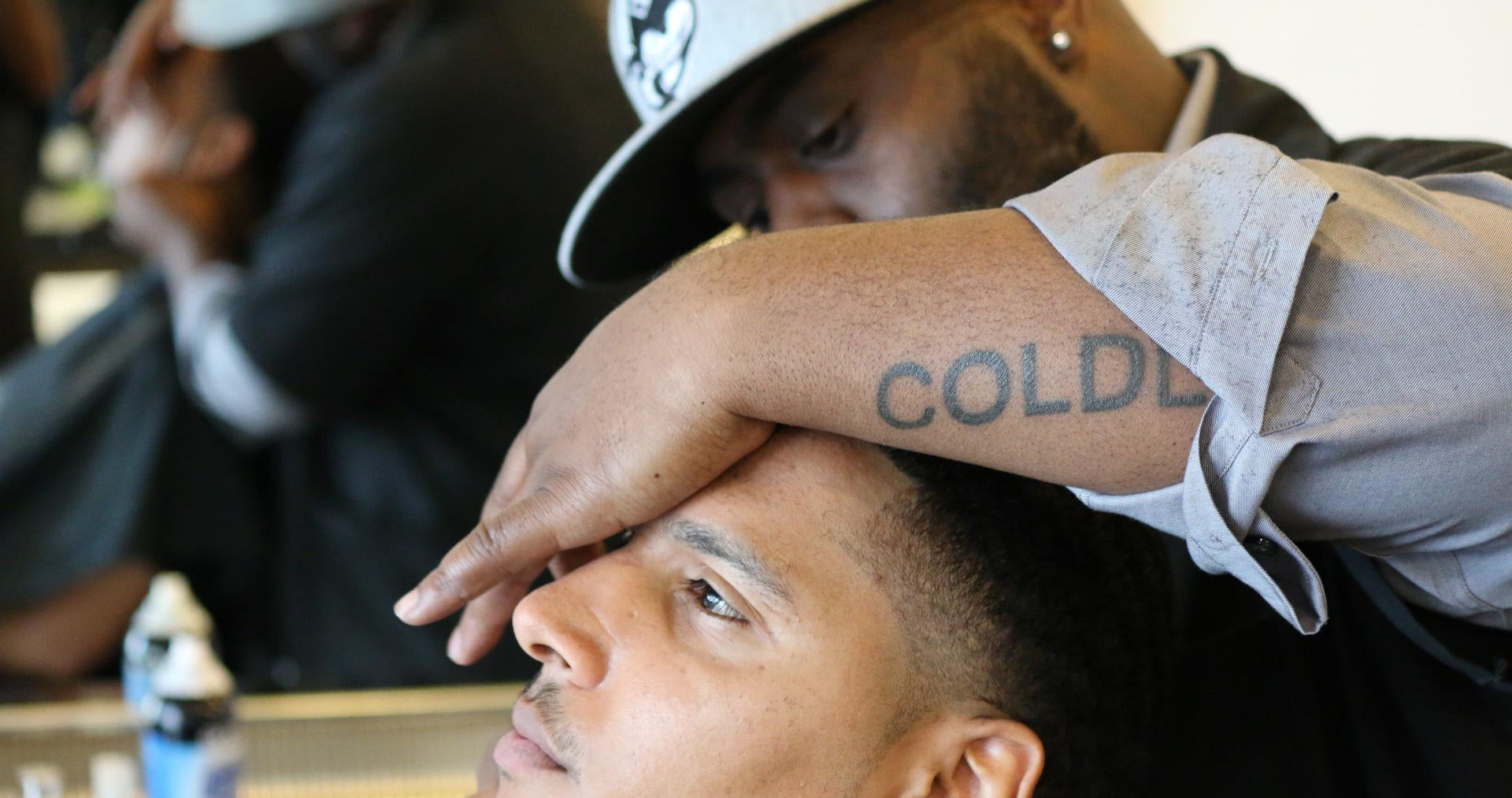
Work With a Skilled Barber
A quality barber sees more than hair length.
An experienced professional evaluates:
- Head shape
- Hair density
- Growth patterns
- Cowlicks
- Curl direction
- Hairline
- Beard balance
- Lifestyle
They can recommend adjustments that improve facial symmetry without requiring dramatic changes.
The best haircut often appears effortless because it respects your natural structure.

Build a Grooming Ritual Instead of Chasing Trends
Fashion changes quickly.
Well-balanced grooming rarely does.
Building a consistent grooming ritual allows your hair to become healthier over months and years rather than relying on constant reinvention.
An intentional routine might include:
- Regular barber appointments
- Gentle scalp cleansing
- Weekly deep conditioning
- Scalp massage
- Protective nighttime care
- Clean styling products
- Seasonal adjustments based on weather and humidity
These habits improve not only the appearance of your hairstyle but also the condition of the hair beneath it.
True aesthetics come from harmony—healthy hair, balanced proportions, and thoughtful maintenance working together.
Conclusion
Choosing the best hairstyle for your face shape is about more than appearance. The most flattering style respects your facial structure, works with your natural hair texture, and supports long-term scalp and hair health.
Rather than following trends, invest in understanding your own features and building a grooming ritual centered on consistency, clean ingredients, and intentional care. Healthy hair naturally holds its shape better, reflects light more evenly, and creates a polished appearance with less effort.
When style is built on healthy foundations, confidence follows naturally.

Frequently Asked Questions
What is the best hairstyle for my face shape?
The best hairstyle balances your facial proportions while complementing your natural hair texture. Oval faces suit most styles, while round, square, rectangular, and diamond faces each benefit from specific proportions that create visual balance.
Does scalp health affect how my hairstyle looks?
Yes. A healthy scalp supports stronger, more manageable hair with better moisture balance, curl definition, and overall appearance. Scalp health is one of the foundations of attractive hair.
Should I choose a hairstyle based on trends?
Not necessarily. Timeless hairstyles that complement your face shape, hair texture, and lifestyle generally produce better long-term results than trend-driven cuts.
Can natural grooming products improve hair appearance?
Clean formulations made with quality botanical ingredients can support scalp comfort, moisture balance, and hair condition. While no product changes your genetics, healthier hair often looks fuller, smoother, and styles more effectively.