Organic Scalp Treatment for Dry, Itchy Scalp
A healthy scalp is not a cosmetic concern—it is a biological foundation. When the scalp is compromised, hair quality follows. Dryness, irritation, buildup, and imbalance often lead to thinning, breakage, or lackluster hair.
For those seeking a cleaner approach, an organic scalp treatment offers a direct and effective path to restoring balance without relying on harsh chemicals. This guide is for individuals who value natural ingredients, long-term hair health, and practical solutions rooted in real physiology—not trends.

Why Scalp Health Matters More Than You Think
Hair grows from follicles embedded in the scalp. These follicles depend on:
- Clean, unobstructed pores
- Balanced oil (sebum) production
- Proper hydration
- Healthy circulation
When the scalp becomes dry, inflamed, or congested with product residue, it disrupts this environment.
Common signs of poor scalp health include:
- Persistent itchiness
- Flaking or dandruff
- Excess oil or dryness
- Slowed hair growth
- Weak or brittle strands
An organic approach focuses on restoring equilibrium rather than masking symptoms.
What Is an Organic Scalp Treatment?
An organic scalp treatment uses plant-based, minimally processed ingredients to:
- Cleanse without stripping natural oils
- Soothe inflammation
- Support the scalp’s microbiome
- Improve moisture retention
Unlike conventional treatments that rely on synthetic detergents or alcohol-heavy formulas, organic treatments work with the scalp’s natural systems.

The Root Causes of Dry and Itchy Scalp
Before applying treatment, it’s important to understand the source of imbalance.
1. Product Buildup
Heavy pomades, silicones, and synthetic conditioners can accumulate on the scalp, blocking follicles.
2. Harsh Cleansers
Sulfates and aggressive shampoos strip the scalp of its natural oils, leading to dryness and irritation.
3. Microbial Imbalance
An overgrowth of yeast or bacteria can contribute to flaking and itching.
4. Environmental Stress
Cold air, sun exposure, and pollution weaken the scalp barrier over time.
Organic scalp treatment addresses these issues by cleansing, nourishing, and recalibrating the scalp environment.
Key Organic Ingredients That Support Scalp Health
The effectiveness of any treatment comes down to its ingredients. The following are foundational in natural scalp care.
Carrier Oils (Base Hydration and Barrier Support)

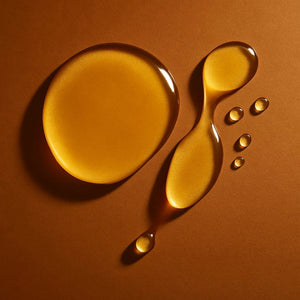
- Jojoba Oil – Closely mimics the scalp’s natural sebum; balances oil production
- Argan Oil – Lightweight, rich in antioxidants; softens and protects
- Castor Oil – Thick and occlusive; supports moisture retention
- Coconut Oil – Penetrates the hair shaft; reduces protein loss
Botanical Extracts (Soothing and Restorative)

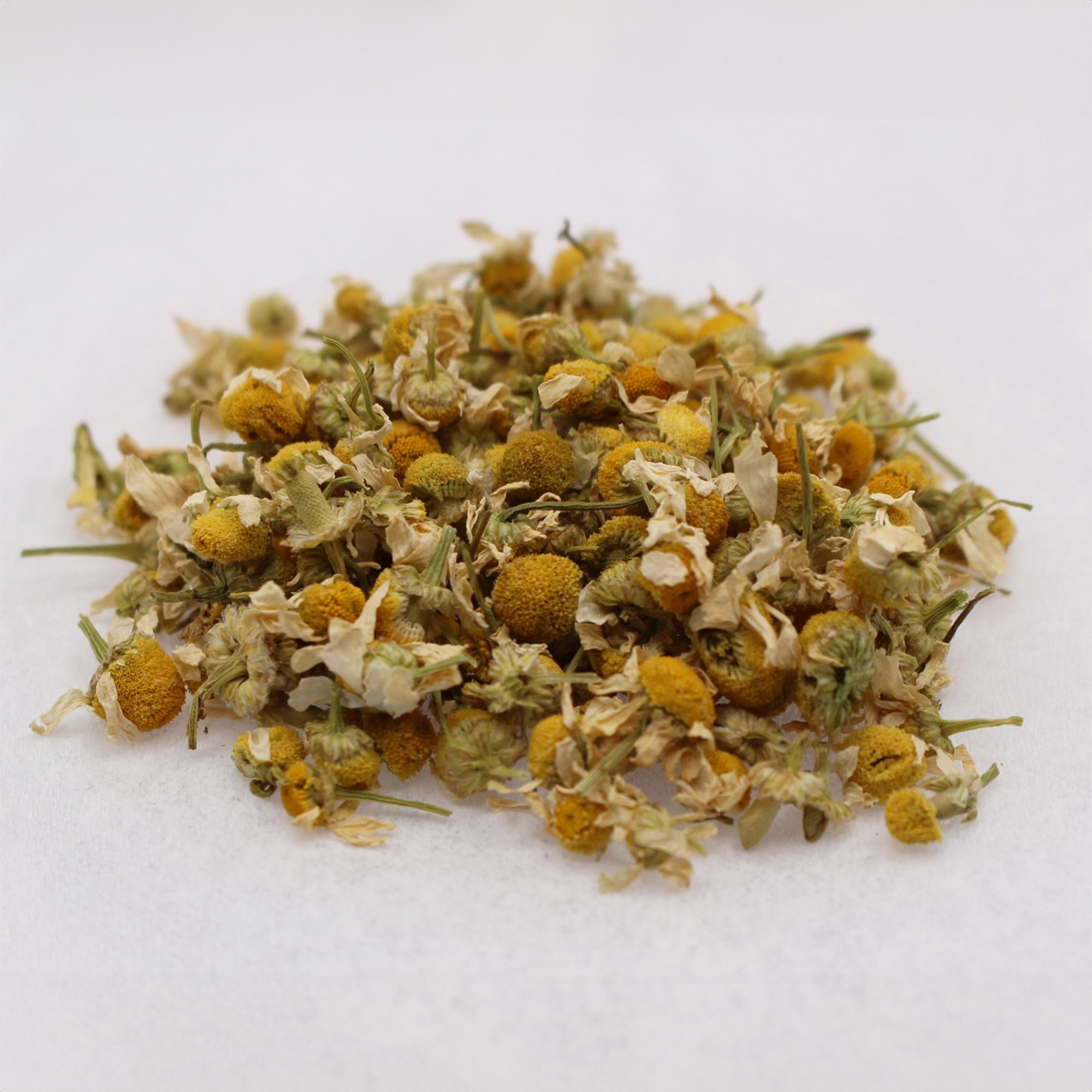
- Aloe Vera – Hydrates and calms inflammation
- Green Tea – Contains antioxidants that support scalp balance
- Chamomile – Soothes irritation and sensitivity
- Witch Hazel – Natural astringent that reduces excess oil and buildup
Essential Oils (Targeted Support – Use Diluted)
- Tea Tree Oil – Helps manage microbial overgrowth
- Peppermint Oil – Stimulates circulation and refreshes the scalp
- Rosemary Oil – Traditionally used to support hair density
- Lavender Oil – Calming and anti-inflammatory
These ingredients, when properly combined, create a treatment that cleanses, nourishes, and stabilizes the scalp environment.
How to Build an Organic Scalp Treatment Routine
Consistency—not excess—is what restores the scalp.
Step 1: Gentle Cleansing (1–2x per week)
Use a sulfate-free or botanical cleanser to remove buildup without stripping natural oils.
Step 2: Scalp Detox (Weekly or Biweekly)
Apply a clay-based or herbal treatment to draw out impurities.
- Bentonite or rhassoul clay
- Mixed with water or aloe vera
Leave on for 10–15 minutes before rinsing thoroughly.

Step 3: Oil Treatment (2–3x per week)
- Apply a small amount of oil blend directly to the scalp
- Massage gently for 3–5 minutes
- Leave overnight or for at least 30 minutes
This improves circulation and reinforces the scalp barrier.
Step 4: Moisture Maintenance
- Use water-based hydration (aloe, herbal sprays)
- Follow with a light oil to seal moisture
Step 5: Mechanical Stimulation
- Use a soft brush or fingertips
- Avoid aggressive scratching
This supports blood flow and helps distribute natural oils.
Adjusting for Hair Type
Curly and Coily Hair
- Requires more moisture retention
- Heavier oils like castor or blends work well
- Less frequent washing to preserve natural oils
Wavy and Thick Hair
- Balance is key—avoid overloading with oils
- Focus on lightweight hydration and scalp clarity
Fine or Straight Hair
- Use minimal oil to prevent buildup
- Prioritize scalp cleansing and light botanical treatments
The principle remains the same: maintain a clean, hydrated, and balanced scalp environment.
Common Mistakes to Avoid
- Overusing oils: Excess oil can clog follicles rather than nourish them
- Skipping cleansing: Natural products still require proper removal
- Using undiluted essential oils: Can cause irritation
- Inconsistent routine: Scalp health improves through steady care
Organic care is not about excess—it is about precision and restraint.

The Long-Term Benefit of Organic Scalp Care
An organic scalp treatment is not a quick fix. It is a disciplined approach that restores function over time.
With consistent care, you can expect:
- Reduced dryness and irritation
- Improved scalp comfort
- Stronger, more resilient hair
- Better moisture balance
- A cleaner foundation for styling
Healthy hair is the result of a healthy system. The scalp is where that system begins.

Conclusion
The search for better hair often starts at the surface—but it should begin at the root. An organic scalp treatment provides a grounded, effective way to restore scalp health without compromising long-term integrity.
By focusing on clean ingredients, consistent care, and a balanced approach, you move beyond temporary fixes and toward lasting results. This is not about chasing trends—it is about returning to what works.
FAQ
How often should I use an organic scalp treatment?
2–3 times per week for oil treatments, with a deeper detox once weekly or biweekly depending on buildup.
Can organic scalp treatments help with dandruff?
Yes. Many natural ingredients like tea tree oil and aloe vera help reduce flaking by addressing dryness and microbial imbalance.
Are natural oils enough for scalp health?
Oils are beneficial, but they must be paired with cleansing and hydration to prevent buildup and imbalance.
How long does it take to see results?
Initial improvements in comfort and hydration can occur within 1–2 weeks, with more noticeable hair quality improvements over several weeks of consistent care.