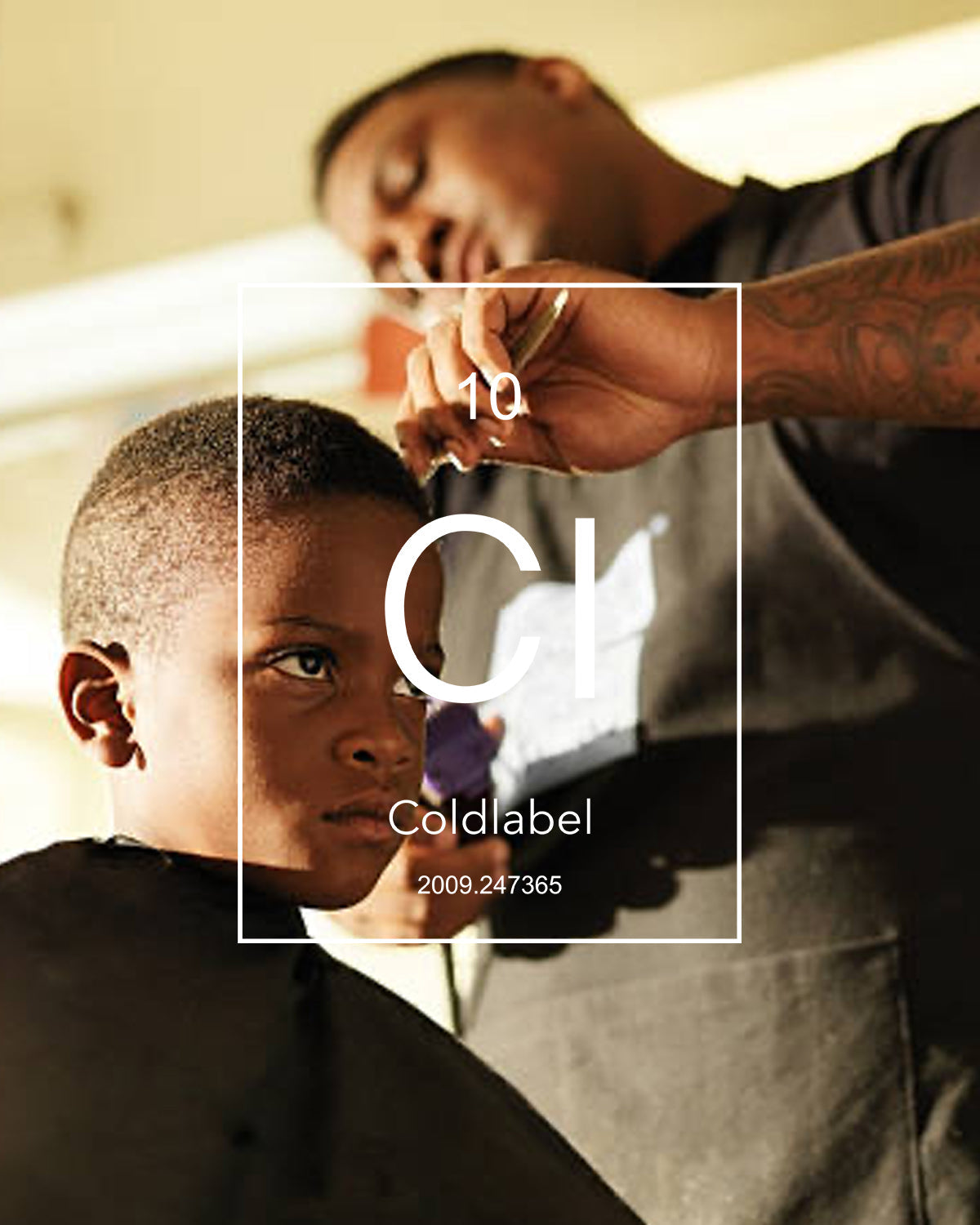
Personal Grooming for Healthy Hair and Skin | Complete Guide
Personal grooming is more than appearance—it is a daily investment in health.
Many people think of grooming as simply looking polished before leaving the house. In reality, good grooming is a form of preventative care. The way you treat your hair, scalp, skin, beard, and body each day influences long-term health, comfort, and confidence.
Unfortunately, many grooming routines are built around convenience rather than quality. Harsh cleansers, synthetic ingredients, excessive styling, and inconsistent care often contribute to dry hair, irritated scalps, damaged skin barriers, and preventable grooming problems.

Whether you wear curls, coils, waves, locs, straight hair, or maintain a shaved head, thoughtful personal groomingcreates the foundation for healthier hair and skin throughout life.
This guide explains why intentional grooming matters, how natural ingredients support healthier outcomes, and how developing consistent habits produces benefits that extend well beyond appearance.
Why Personal Grooming Is So Important
Personal grooming protects the body's first line of defense—your skin and scalp.
Healthy hair begins with a healthy scalp, while healthy skin protects against irritation, moisture loss, and environmental stress. Grooming helps maintain these systems through regular cleansing, hydration, inspection, and maintenance.
When practiced consistently, healthy grooming habits can help:
- Maintain scalp balance
- Reduce buildup from sweat and styling products
- Support stronger hair fibers
- Improve skin hydration
- Minimize irritation after shaving
- Encourage healthier beard growth
- Improve overall comfort and cleanliness
- Promote a polished, professional appearance

Rather than correcting problems after they appear, effective grooming focuses on preventing many of them from developing in the first place.
Personal Grooming Begins with Scalp Health
Hair quality is heavily influenced by the condition of the scalp.
The scalp contains thousands of hair follicles, sebaceous glands, and a diverse microbiome that work together to support healthy hair growth. When this environment becomes irritated, inflamed, excessively dry, or overloaded with residue, hair quality often suffers.
Common scalp issues include:
- Dryness
- Excess oil production
- Product buildup
- Flaking
- Itching
- Follicle irritation
Maintaining scalp health involves simple but consistent practices:
Cleanse Without Over-Stripping
Strong detergents can remove beneficial oils that protect both skin and hair.
Choose gentle cleansers that remove buildup while preserving the scalp's natural moisture barrier.
Moisturize the Scalp
Healthy skin requires hydration—including the scalp.
Natural oils and botanical ingredients help reduce dryness while supporting a comfortable scalp environment.
Inspect Regularly
Regular grooming provides an opportunity to notice changes early.
Persistent redness, excessive scaling, painful bumps, or unusual hair shedding deserve evaluation by a healthcare professional.
Healthy Hair Reflects Healthy Grooming
Hair itself is no longer living once it emerges from the follicle.
That means every grooming decision affects how well existing hair survives daily wear.

Proper grooming helps preserve:
- Moisture
- Elasticity
- Shine
- Strength
- Curl definition
- Wave formation
- Manageability
For textured hair—including curly, coily, thick, and wavy hair—this is especially important because natural oils travel more slowly down the hair shaft.
Intentional grooming minimizes unnecessary breakage while allowing hair to retain moisture longer.
Natural Ingredients Make a Difference
Not every grooming product supports long-term hair and skin health equally.
Many modern formulas prioritize fragrance, texture, or immediate cosmetic effects over ingredient quality.
Clean formulations emphasize ingredients that work with the skin rather than simply covering symptoms.
Beneficial natural ingredients often include:
Plant Oils
Examples include:
- Jojoba oil
- Argan oil
- Castor oil
- Sweet almond oil
These ingredients help soften hair while supporting skin moisture.
Botanical Butters

Shea butter and cocoa butter help reduce moisture loss and improve manageability.
Herbal Extracts
Many botanical extracts provide antioxidant compounds that help protect skin from environmental stress while calming irritation.
Although natural ingredients are not automatically superior in every situation, choosing thoughtfully formulated products often reduces unnecessary exposure to harsh ingredients that may contribute to dryness or irritation.
Grooming Is a Daily Ritual, Not an Occasional Event
The greatest benefits come from consistency.
Healthy grooming is built on small daily decisions repeated over months and years.
An effective natural grooming routine often includes:
Morning
- Cleanse as needed
- Moisturize face and scalp
- Apply beard or hair conditioning products
- Protect exposed skin from UV exposure
Throughout the Day
- Stay hydrated
- Avoid excessive touching of hair
- Wear protective headwear when appropriate
- Keep grooming tools clean
Evening
- Remove sweat and buildup
- Brush or comb gently
- Reapply lightweight moisture if needed
- Inspect the scalp and skin

These habits require only a few minutes each day but compound into meaningful long-term improvements.
Grooming Supports Confidence and Professionalism
Personal grooming influences far more than appearance.
When people feel clean, healthy, and well cared for, they often experience greater confidence in social and professional settings.
Well-maintained hair and skin communicate attention to detail, discipline, and self-respect.
These qualities matter whether attending a business meeting, interviewing for a job, participating in community events, or simply caring for yourself at home.
Good grooming should never be about chasing perfection.
Instead, it reflects intentional care for your health and presentation.
Common Grooming Mistakes to Avoid
Even well-intentioned routines sometimes create unnecessary problems.
Avoid these common mistakes:
- Washing hair more often than necessary
- Ignoring scalp health while focusing only on hair
- Using products with unnecessary harsh ingredients
- Applying excessive heat
- Neglecting beard skin beneath facial hair
- Using dirty brushes and combs
- Sleeping without protecting textured hairstyles
- Switching products too frequently before evaluating results
Consistency almost always produces better results than constantly chasing new trends.
Building a Long-Term Grooming Philosophy
The most effective grooming routines share one characteristic:
They are sustainable.

Rather than relying on dozens of products or constantly changing routines, successful grooming focuses on:
- Quality over quantity
- Clean ingredients
- Consistency
- Prevention
- Thoughtful maintenance
- Respect for natural hair and skin biology
This approach supports healthier outcomes over years rather than providing only temporary cosmetic improvements.
Personal grooming becomes less about appearance alone and more about preserving the health of the body that carries you every day.
Conclusion
Personal grooming is one of the simplest yet most valuable investments you can make in your long-term health and appearance.
A thoughtful routine built around clean ingredients, healthy grooming habits, scalp care, and consistent maintenance helps protect both hair and skin while reducing many common grooming concerns before they begin.

Rather than chasing trends or quick fixes, focus on building a ritual grounded in quality, intention, and respect for your body's natural biology.
Healthy grooming is not about perfection.
It is about caring for yourself with consistency—one intentional habit at a time.
Frequently Asked Questions
Why is personal grooming important?
Personal grooming supports healthy skin, scalp, and hair while promoting cleanliness, comfort, confidence, and long-term wellness.
How often should I follow a grooming routine?
Basic grooming habits should be practiced daily, while hair washing frequency depends on hair type, scalp condition, activity level, and styling needs.
Are natural grooming products better?
Many natural formulations contain nourishing plant-based ingredients that support healthy skin and hair. However, effectiveness depends on the complete formulation rather than whether an ingredient is natural alone.
Does scalp health affect hair growth?
Yes. A healthy scalp creates a better environment for normal hair growth. While grooming cannot change genetics, maintaining scalp health supports healthier hair and helps minimize preventable damage.