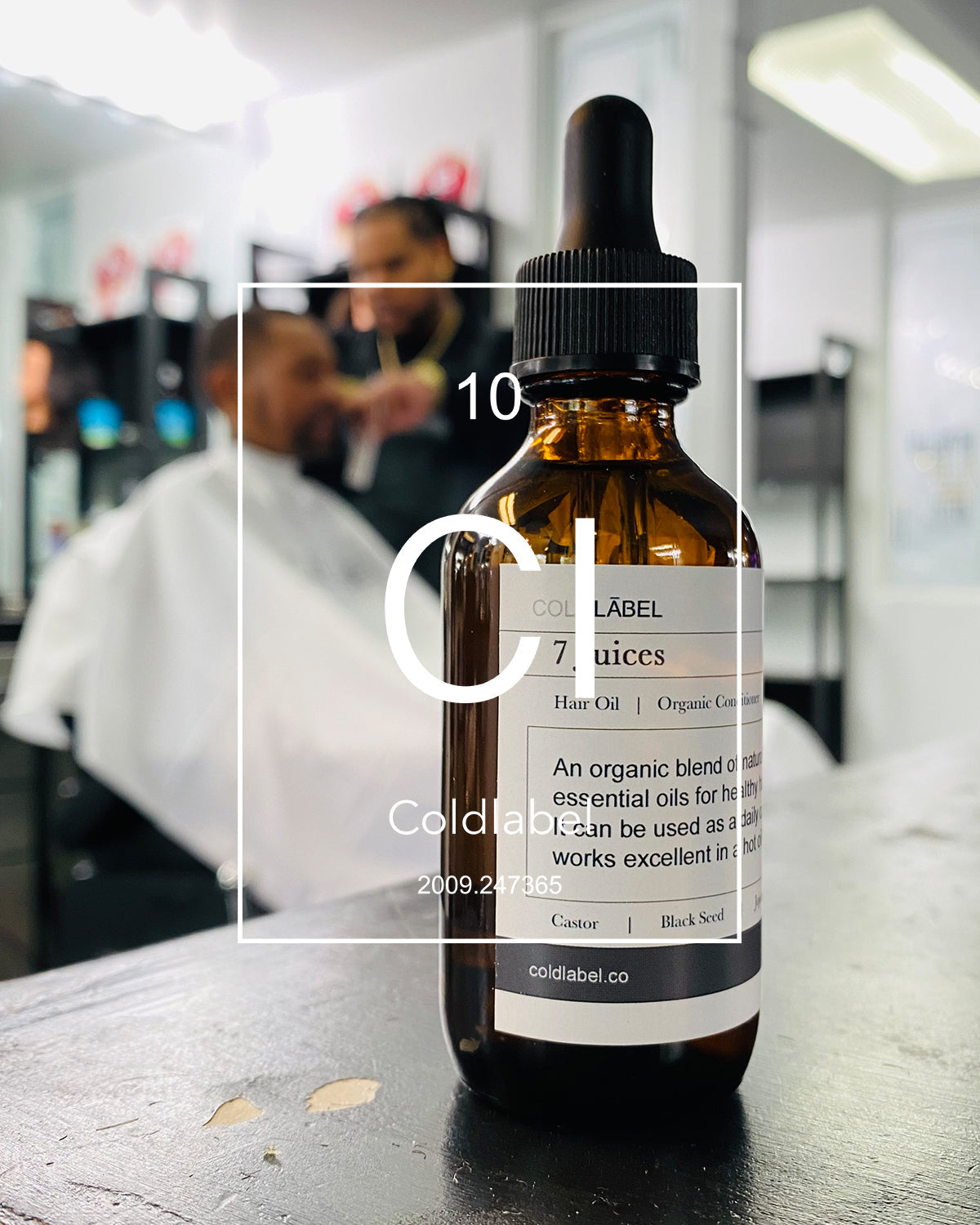
The Well-Kept Man: Grooming, Heritage & Discipline

An examination of grooming heritage, personal discipline, and the enduring relationship between appearance and self-respect.
Personal grooming has always represented something greater than appearance. Across generations and cultures, the act of maintaining one's hair, skin, beard, and clothing has served as an expression of personal discipline, cultural identity, and self-respect. Long before grooming became a commercial industry, it was an established part of daily life.
The well-kept man understands that presentation is not simply about attracting attention. It is about maintaining a personal standard, regardless of the occasion or audience.
In an era increasingly influenced by trends, convenience, and excessive consumption, traditional grooming principles offer a different perspective. They emphasize consistency over novelty, craftsmanship over shortcuts, and personal maintenance as an extension of character.
Understanding this heritage provides a useful foundation for developing a modern grooming routine built on intention rather than excess.
The Historical Significance of Men's Grooming
Grooming as a Cultural Tradition
Throughout history, grooming practices have reflected the customs, values, and social structures of different civilizations.
In ancient Egypt, oils, aromatic preparations, and specialized grooming instruments were used for hygiene, personal care, and ceremonial purposes. Hair and beard styles could communicate social position, religious identity, or cultural belonging.
Ancient Greek and Roman societies also developed established traditions surrounding bathing, shaving, hair maintenance, and public grooming spaces. These practices combined hygiene with social interaction and personal presentation.
Across various African societies, hairstyles have historically communicated community affiliation, age, marital status, and other aspects of cultural identity. Braiding, sculpting, and maintaining textured hair frequently involved specialized knowledge passed between generations.
Although the meanings differed across cultures, a common principle emerged: personal grooming was rarely considered an entirely superficial activity.
It was connected to identity, tradition, and the way individuals participated in their communities.

The Evolution of the Modern Gentleman
As grooming traditions evolved, the concept of the well-kept gentleman became closely associated with deliberate personal presentation.
Clean clothing, maintained hair, proper shaving practices, and attention to detail became recognizable elements of traditional masculine style.
However, these standards were never entirely universal. Access to grooming services, prevailing fashion, occupation, and cultural expectations all influenced what was considered appropriate.
What remains relevant today is not a particular historical hairstyle or dress code, but the underlying principle of intentional maintenance.
A well-kept appearance is developed through regular attention, not occasional correction.
The Barbershop: An Institution of Grooming Heritage
Few establishments have contributed more to men's grooming culture than the traditional barbershop.
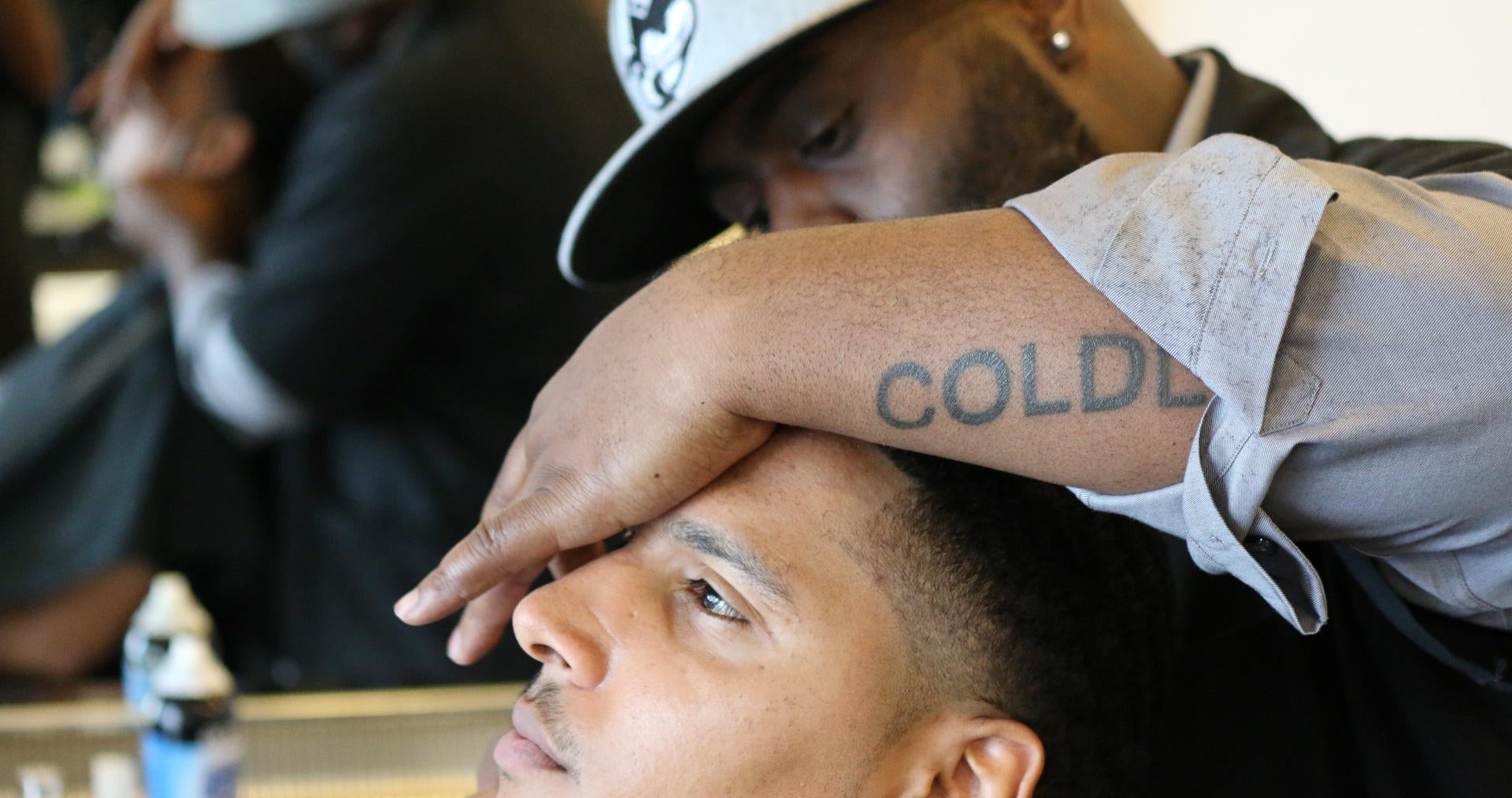
For generations, barbershops have provided more than haircuts. They have served as places where grooming knowledge, cultural traditions, conversation, and professional craftsmanship intersect.
Within Black American communities in particular, barbershops have held an important role as gathering places, independent businesses, and institutions of cultural expression.

The barber became more than someone who shortened hair. A skilled barber understood facial structure, hair texture, scalp conditions, personal style, and the relationship between grooming and presentation.
The Barber as a Grooming Authority
Before online tutorials and extensive retail grooming collections, many men relied on their barbers for practical advice.
A knowledgeable barber could explain:
-
Which haircut complemented a client's facial structure.
-
How to maintain healthy hair between appointments.
-
Which brushing techniques supported a desired wave pattern.
-
How to manage coarse, curly, or tightly coiled hair.
-
Why consistent scalp care mattered.
-
How to maintain a beard without compromising the skin beneath it.
This professional knowledge was developed through observation, experience, and repetition.
The best barbers understood that a successful haircut was only one component of a complete grooming routine.
The client's responsibility began when he left the chair.
That relationship between professional craftsmanship and personal maintenance remains central to Coldlabel's philosophy.
Personal Grooming as a Form of Discipline
Discipline is often associated with physical training, professional achievement, or financial responsibility. Yet the same principles apply to personal grooming.

Healthy hair and maintained skin rarely result from one extraordinary treatment. They are generally supported by ordinary practices repeated consistently.
Cleansing, conditioning, moisturizing, brushing, and protecting the hair are simple activities. Their effectiveness depends on appropriate technique and regular application.
Consistency Over Complexity
An effective grooming routine does not require an extensive collection of products.
For most men, a practical foundation includes:
-
Regular cleansing: Remove accumulated sweat, dirt, and product residue without unnecessarily stripping the hair or skin.
-
Appropriate conditioning: Maintain softness, manageability, and flexibility according to hair texture.
-
Moisture management: Use water-based conditioning products and suitable oils or butters to help reduce dryness.
-
Daily maintenance: Brush, comb, or shape the hair using techniques appropriate for the desired style.
-
Professional upkeep: Schedule haircuts, beard trims, and other grooming services according to individual needs.
These practices are not particularly complicated.
Their value comes from consistency.
A man who understands his hair and follows a reliable routine often achieves more sustainable results than someone constantly changing products in pursuit of immediate improvement.
The Relationship Between Grooming and Self-Respect
Personal appearance influences how individuals perceive themselves and how they may be perceived by others.

Research in psychology has explored relationships between clothing, self-perception, social impressions, and behavior. These findings suggest that appearance can influence certain experiences, although they do not establish grooming as a reliable measure of character or personal worth.
Nevertheless, the act of maintaining oneself can serve a meaningful personal purpose.
A consistent grooming routine creates structure. It encourages attention to detail and provides an opportunity to approach daily responsibilities with intention.
Looking Groomed Versus Being Groomed
There is an important distinction between preparing for an occasion and maintaining a personal standard.
Looking groomed may involve a fresh haircut, clean shave, or carefully selected clothing before an important event.

Being groomed reflects habits maintained even when no particular occasion requires them.
The difference becomes visible over time.
A healthy scalp, well-maintained beard, conditioned hair, and thoughtful personal hygiene are not necessarily the result of last-minute preparation.
They reflect an ongoing relationship with personal care.
This does not mean appearance determines a person's dignity, professionalism, or moral character. Rather, deliberate grooming can become one practical expression of the standards an individual chooses for himself.
Natural Grooming and the Return to Traditional Principles
Modern grooming has benefited from significant advances in formulation, hygiene, and dermatological knowledge.
At the same time, the industry has introduced an overwhelming number of products, complicated routines, and marketing claims.
More products do not automatically produce better results.
Traditional grooming practices often emphasized the careful use of familiar ingredients, including plant-derived oils, botanical preparations, and natural butters.
These ingredients remain relevant today, particularly when incorporated into well-formulated products designed for specific hair and skin needs.

Understanding the Role of Natural Ingredients
For textured hair, thoughtful ingredient selection can support everyday maintenance.
Several familiar ingredients serve useful cosmetic functions:
-
Shea butter: Provides emollient properties that help soften hair and reduce moisture loss.
-
Castor oil: Creates a lubricating coating that can improve the feel of dry hair and reduce friction, although evidence that it directly stimulates hair growth is limited.
-
Jojoba oil: Functions as a lightweight emollient in many skin and hair preparations.
-
Coconut oil: Has evidence supporting its ability to reduce protein loss from hair under certain conditions.
-
Botanical extracts: May provide conditioning or other formulation benefits depending on their composition and concentration.
Natural origin alone does not guarantee safety or effectiveness. Ingredient quality, formulation, individual sensitivity, and intended use remain essential considerations.
The objective should be to select products that serve a clear purpose rather than products that simply contain fashionable ingredients.
At Coldlabel, this approach reflects a broader commitment to small-batch craftsmanship, thoughtful formulation, and the belief that effective grooming should remain understandable.
The Well-Kept Man and Textured Hair
Textured hair requires an appreciation for its unique structure.
Curly and tightly coiled hair can be particularly susceptible to dryness, tangling, and mechanical breakage. Natural scalp oils may not distribute along curved hair shafts as readily as they do along straighter hair.
For this reason, effective maintenance requires more than achieving a particular hairstyle.
It requires protecting the condition of the hair itself.

Grooming Practices That Support Textured Hair
Whether maintaining 360 waves, a classic afro, locs, braids, or a short traditional haircut, several principles remain consistent.
Protect the scalp. Maintain an appropriate cleansing schedule and avoid allowing excessive product residue to accumulate.
Respect the hair's structure. Use suitable brushes, combs, and styling techniques without unnecessary tension or aggressive manipulation.
Manage dryness. Condition regularly and use appropriate emollients to help maintain softness and reduce friction.
Avoid excessive styling pressure. Tight hairstyles, aggressive brushing, and prolonged compression can contribute to irritation or damage.
Maintain the desired shape. Regular professional attention helps preserve a haircut while allowing the hair to remain manageable between appointments.
The objective is not simply to make textured hair conform to a particular appearance.
It is to understand the hair and maintain it properly.
A well-kept man works with his natural characteristics rather than constantly attempting to overcome them.
Timeless Grooming Versus Temporary Trends
Grooming trends change.
Popular haircuts, beard shapes, styling products, and aesthetic preferences regularly move through cycles of public attention.
The principles of healthy maintenance, however, remain comparatively stable.

Clean hair, healthy skin, appropriate conditioning, and a style suited to the individual do not become irrelevant when fashion changes.
This is the distinction between grooming as a temporary visual statement and grooming as a lasting personal practice.
The well-kept man can appreciate contemporary style without becoming dependent on every new trend.
He understands which elements of his appearance work for him and develops the knowledge necessary to maintain them.
Timeless grooming is not resistance to change.
It is the ability to make deliberate choices without abandoning fundamental standards.
The Coldlabel Perspective: Grooming With Intention
Coldlabel's approach to men's grooming is rooted in the relationship between heritage craftsmanship and modern personal care.
The traditional barbershop provides an important foundation: respect for technique, knowledge of hair, appreciation for quality ingredients, and the understanding that maintenance extends beyond the barber's chair.

These values inform a grooming philosophy that favors deliberate routines, carefully considered formulations, and practical results.
Luxury, in this context, is not defined by the number of products a man owns.
It is reflected in the quality of what he chooses, the care with which it is made, and the consistency with which it is used.
A thoughtful grooming ritual should complement daily life rather than complicate it.
Conclusion: The Standard Is in the Practice
The well-kept man is not defined by expensive clothing, elaborate grooming collections, or the pursuit of perfection.
He is defined, within his own approach to personal care, by the standards he chooses to maintain.
Understanding grooming heritage reveals that personal maintenance has long been connected to craftsmanship, cultural identity, community, and individual expression.
Modern grooming can preserve these traditions while benefiting from contemporary knowledge and improved formulations.
Begin with the fundamentals. Understand your hair and skin. Choose appropriate products. Establish a manageable routine. Seek professional guidance when necessary.
Above all, recognize that meaningful grooming is not an occasional performance.
It is a practice developed through consistency, intention, and respect for the craft.

Frequently Asked Questions
What does it mean to be a well-groomed man?
A well-groomed man maintains personal hygiene, cares for his hair and skin, and approaches his appearance with intention. Grooming standards vary across cultures and individuals, but consistency and appropriate maintenance are common foundations.
Why has the barbershop been important to men's grooming culture?
Barbershops have historically combined professional grooming services with social interaction, mentorship, and cultural exchange. They have been particularly significant institutions within Black American communities.
Does a good grooming routine require expensive products?
No. Effective grooming depends primarily on appropriate products, sound techniques, and consistent habits. Higher prices do not necessarily indicate superior performance.
How can men develop a timeless grooming routine?
Start with regular cleansing, conditioning, moisture management, and professional hair maintenance. Select styles that suit your natural hair characteristics and establish habits that can be maintained comfortably over time.