Why Grooming Rituals Should Begin Early in Life
Why Beginning Grooming Rituals in Youth Shapes Lifelong Self-Respect
Grooming is often framed as something men “figure out later”—after adolescence, after mistakes, after damage has already set in. But experienced barbers, dermatologists, and grooming professionals know otherwise. The foundation of healthy hair, resilient skin, and disciplined self-presentation is laid early. Beginning grooming rituals in youth isn’t about vanity or excess; it’s about education, structure, and long-term care.
When grooming is introduced early—properly, patiently, and with intention—it becomes a ritual rather than a reaction. It teaches young men how to maintain themselves, respect their bodies, and understand the relationship between care and confidence. Over time, those lessons compound.
This article explores why early grooming rituals matter, what science and barbering traditions agree on, and how intentional grooming education supports lifelong grooming health.

Grooming Is Learned Behavior—Not Instinct
No one is born knowing how to care for their hair, scalp, or skin. Grooming is a learned practice shaped by environment, mentorship, and repetition. When those lessons are delayed, young men often inherit poor habits—overwashing, harsh products, neglect, or inconsistency—that are difficult to reverse later.
Early grooming rituals establish a baseline understanding of care:
-
How often to cleanse versus condition
-
Why the scalp requires balance, not aggression
-
How tools (brushes, combs, clippers) are used with intention
-
Why consistency matters more than quick fixes
Barbers have long understood this. Apprentices don’t begin by rushing cuts—they begin by learning preparation, sanitation, and respect for the craft. Grooming education follows the same principle.

The Scalp and Skin Are More Resilient When Cared for Early
From a physiological standpoint, youth offers a unique advantage: resilience. The scalp and skin recover faster, adapt more readily, and respond well to gentle, consistent care. This is the ideal window to teach proper maintenance before chronic issues take hold.
Early Grooming Supports:
-
Healthy scalp microbiome balance through appropriate cleansing frequency
-
Reduced inflammation caused by over-processing or harsh detergents
-
Stronger hair fibers maintained through conditioning and low-stress styling
-
Improved skin barrier function from simple, non-stripping routines
Conversely, neglect or misuse during formative years can contribute to dryness, sensitivity, breakage, or scalp imbalance that persists into adulthood.
This isn’t about elaborate routines. It’s about learning restraint early—knowing when less is more.
Ritual Builds Discipline, Not Obsession
A routine is something you rush through. A ritual is something you respect.
Introducing grooming as a ritual in youth reframes self-care as discipline rather than indulgence. The act becomes intentional: setting time aside, using the right tools, and understanding why each step exists.
Well-structured grooming rituals teach:
-
Patience – results come from consistency, not shortcuts
-
Order – grooming follows a sequence, not chaos
-
Accountability – neglect shows up physically over time
-
Self-awareness – noticing changes in hair, scalp, or skin
These habits extend beyond grooming. Young men who learn to care for themselves methodically often apply that same discipline to training, nutrition, and professional life.

Barbers Have Always Served as Early Educators
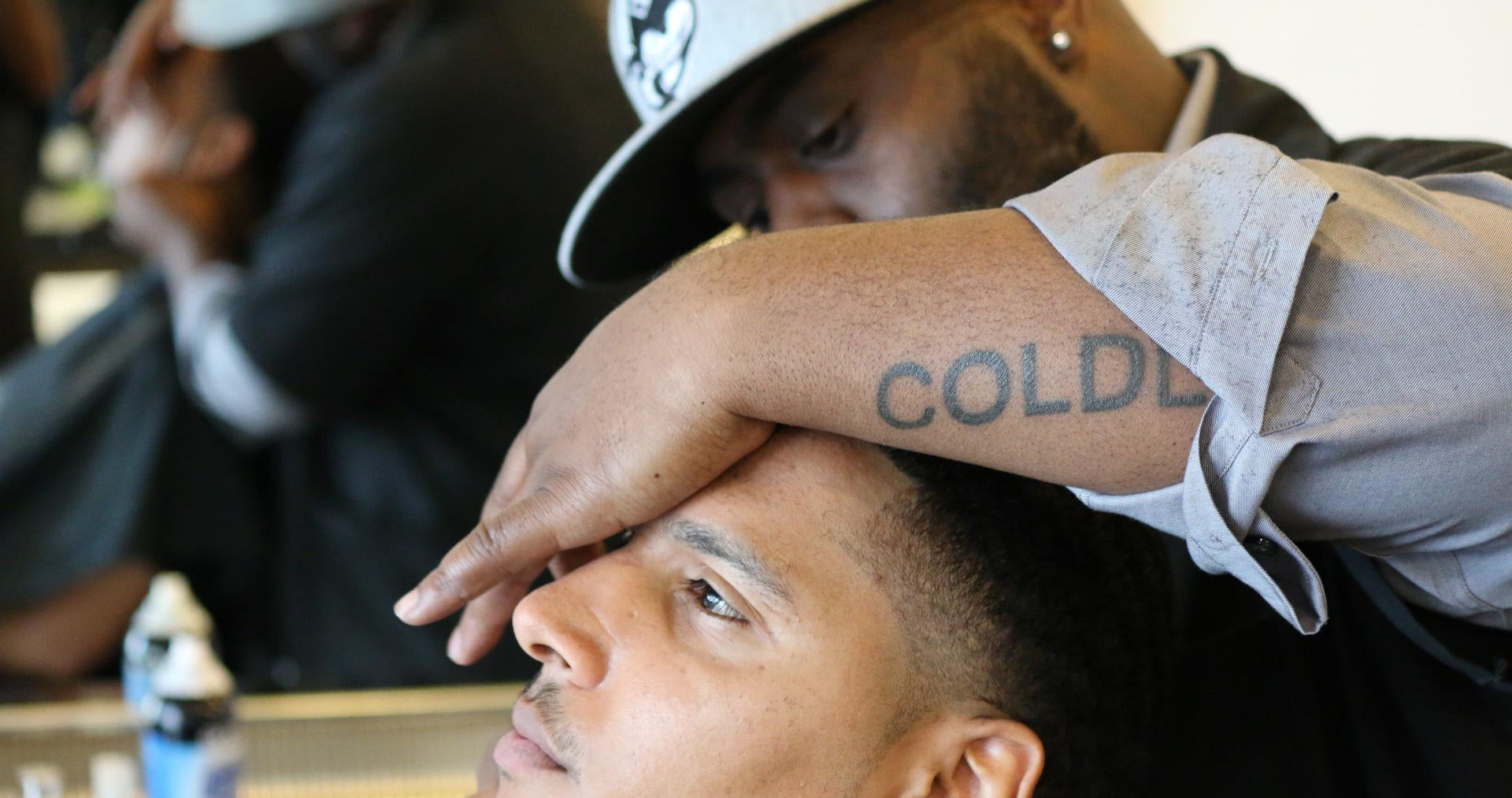
Historically, the barbershop has been one of the first places young men learn how to present themselves. Long before grooming products became mass-marketed, barbers taught technique, hygiene, and pride in appearance through demonstration and repetition.
A barber doesn’t just cut hair. They explain:
-
Why a neckline matters
-
How brushing trains growth patterns
-
Why product choice affects scalp health
-
How maintenance protects the haircut
This early mentorship normalizes grooming as skill—not vanity. When young clients are taught why they do something, they carry that knowledge forward instead of relying on trends or guesswork.

Early Habits Prevent Long-Term Damage
Many adult grooming concerns stem from years of improper care rather than genetics alone. Over-cleansing, excessive heat, aggressive brushing, and unsuitable products compound damage gradually.
Early grooming rituals help prevent:
-
Chronic dryness and flaking
-
Premature thinning from mechanical stress
-
Scalp sensitivity from harsh formulations
-
Irregular growth patterns caused by neglect
By learning foundational care early, young men avoid the cycle of damage and repair that defines much of modern grooming consumption. Prevention becomes the priority.
This aligns with professional grooming philosophy: protect first, enhance second.
Grooming Education Encourages Ingredient Awareness
Youth is also the right time to introduce ingredient literacy. Not marketing jargon—just fundamentals.
Understanding the difference between:
-
Cleansers that strip versus those that balance
-
Oils that nourish versus those that suffocate
-
Fragrance overload versus functional formulation
When young men learn to read labels and understand basic formulation principles, they become discerning rather than reactive consumers. They choose products based on performance and compatibility—not packaging alone.

Grooming Rituals Support Identity Formation
Adolescence is a period of identity development. Grooming rituals provide structure during a time of change. A consistent grooming practice offers a sense of control and continuity, reinforcing self-respect as the body evolves.
Rather than using appearance as a mask, grooming becomes a form of alignment—how one shows up, prepared and intentional.
This is especially important in environments where young men lack mentorship or structure elsewhere. A grooming ritual becomes a daily anchor.
How to Introduce Grooming Rituals the Right Way
Beginning grooming rituals in youth requires restraint and guidance. Overcomplication defeats the purpose.
Best Practices:
-
Start simple: cleanse, condition, maintain
-
Prioritize scalp and skin health over styling
-
Teach tool care and hygiene early
-
Emphasize consistency, not perfection
-
Avoid trend-driven products and techniques
Grooming should feel calm and methodical—not pressured or performative.

The Long View: Grooming as Lifelong Maintenance
Men who begin grooming rituals early rarely chase shortcuts later. They understand that grooming health is cumulative—built quietly over years, not achieved overnight.
They don’t overhaul routines every season. They refine them.
They don’t panic over temporary issues. They adjust.
This is the difference between reacting to appearance and maintaining it.
Coldlabel’s philosophy aligns with this long view: grooming as a lifelong practice grounded in craftsmanship, knowledge, and respect for the process.

Conclusion: Start Early, Stay Grounded
Beginning grooming rituals in youth isn’t about creating image-conscious boys—it’s about developing disciplined, informed men. When grooming is taught early as ritual rather than routine, it supports long-term hair and skin health, fosters self-respect, and reduces reliance on corrective measures later in life.
The most effective grooming practices aren’t discovered—they’re inherited, taught, and refined over time.
Start early. Keep it simple. Respect the craft.
FAQ's
When should grooming rituals begin?
Grooming rituals can begin as soon as basic hygiene is introduced, gradually evolving with age and physical development.
Are grooming products safe for younger users?
Simple, well-formulated products designed to support scalp and skin balance are generally appropriate when used conservatively.
Is grooming education more important than products?
Yes. Technique, consistency, and understanding matter more than product volume or complexity.