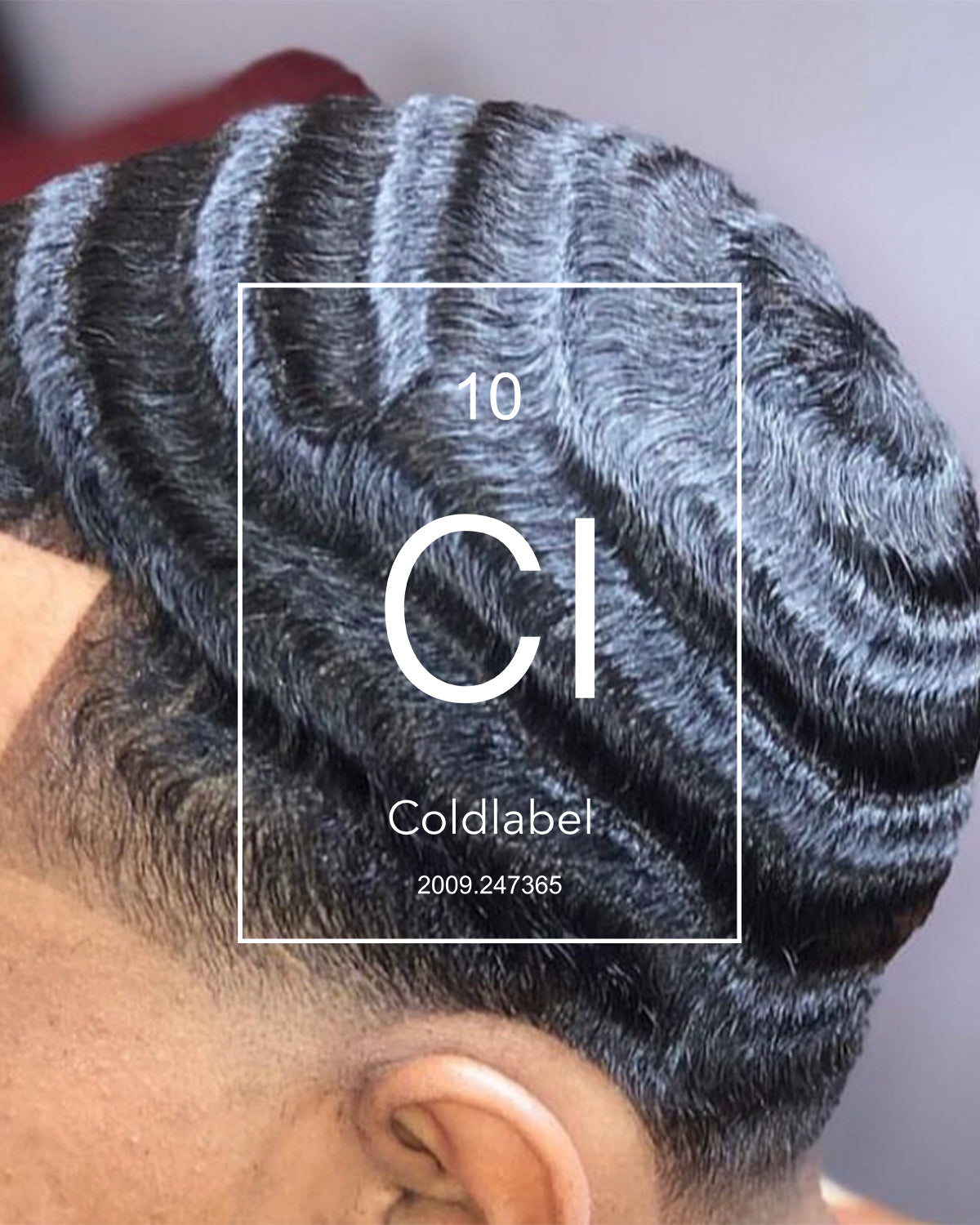
Why Order in Appearance Creates Order in Life
Why Appearance Still Matters
Order in appearance is often misunderstood as vanity. In reality, it is closer to discipline. Throughout history, from barbershops to military regimens, external order has been used as a tool to cultivate internal clarity. How a man presents himself—his grooming, posture, and composure—sets a tone that carries into how he thinks, acts, and moves through life.
This isn’t about chasing perfection or aesthetics for approval. It’s about control. When your appearance is deliberate, maintained, and respected, it reflects a deeper commitment to structure, self-respect, and responsibility. In grooming culture, this principle has long been understood: care for the outside, and the inside follows.

The Psychology of Order: Why the External Shapes the Internal
Human behavior responds to cues. When your environment—and your appearance—is orderly, your mind interprets that order as stability. Conversely, neglect signals chaos.
Psychologists often refer to this as behavioral priming: the state of your surroundings influences your mental state. Grooming is one of the most immediate environments you control.
An intentional appearance:
-
Reinforces personal standards
-
Signals readiness and competence
-
Reduces cognitive friction in daily decisions
-
Encourages consistency in behavior
This is why uniforms, dress codes, and grooming standards exist in professions where precision matters. The barbershop has always understood this relationship: grooming is not cosmetic—it is corrective.
Barbershop Philosophy: Discipline Before Decoration
Traditional barbering was never about excess. It was about maintenance, proportion, and control. A clean neckline, balanced beard, and healthy scalp were signs of respect—first for oneself, then for others.
In classic barbershop culture:
-
Grooming followed a sequence, not impulse
-
Tools were cared for as carefully as the client
-
Repetition built mastery, not boredom
This approach mirrors life itself. Structure precedes expression. Before style comes order.

Ritual Over Routine: Why Repetition Builds Character
A routine is something you rush through. A ritual is something you honor.
When grooming is reduced to speed or convenience, it loses its effect. When treated as ritual, it becomes grounding. Daily acts—washing the face, brushing the hair, conditioning the beard—become moments of alignment.
Well-designed grooming rituals:
-
Anchor the day with intention
-
Reinforce self-discipline through repetition
-
Create consistency in chaotic schedules
-
Encourage long-term grooming health
This is not about doing more. It is about doing fewer things with precision.
Grooming Science: Order Supports Skin, Scalp, and Hair Health
From a physiological standpoint, order matters. Skin, scalp, and hair thrive on consistency—not constant change.
Disordered grooming habits often lead to:
-
Barrier disruption from over-cleansing
-
Scalp imbalance from inconsistent care
-
Breakage from improper sequencing of products
A structured grooming approach prioritizes:
-
Cleansing before conditioning
-
Scalp health before hair styling
-
Skin preparation before oil or balm application

This mirrors professional barbering practice, where preparation determines outcome. Healthy appearance is rarely accidental—it is the result of measured, repeated care.
Order as a Form of Self-Respect
Appearance communicates standards before words ever do. An orderly appearance doesn’t demand attention—it commands quiet respect.
Self-respect in grooming looks like:
-
Maintaining clean lines between cuts
-
Treating skin issues early, not ignoring them
-
Replacing depleted products instead of improvising
-
Knowing when to simplify instead of adding
This discipline often spills into other areas of life. Men who maintain order in appearance tend to:
-
Approach work with greater structure
-
Respect time and commitments
-
Move with calmer, more deliberate energy
Not because grooming causes success—but because it reflects the mindset that allows success to develop.

Minimalism and Control: Why Less Creates More Stability
Excess breeds confusion. Too many products, techniques, or trends introduce inconsistency. Professional grooming favors controlled minimalism.
A restrained grooming system:
-
Reduces decision fatigue
-
Improves product effectiveness
-
Encourages mastery over novelty
Barbers have always known this. One dependable cleanser, one conditioning agent, one finishing product—each used correctly—outperforms clutter.
Order in appearance begins with removing what doesn’t serve.
From Appearance to Life Structure
Once order becomes habitual in grooming, it becomes transferable.
Men often report that structured grooming:
-
Improves morning discipline
-
Sharpens attention to detail
-
Encourages consistency in diet and fitness
-
Reinforces confidence without arrogance
This is not transformation through cosmetics. It is transformation through structure.
Grooming becomes the first controlled action of the day—a signal that you are awake, prepared, and intentional.
Practical Framework: Creating Order Through Grooming
To apply this philosophy without overcomplication, focus on fundamentals.
Establish a Fixed Sequence
-
Cleanse
-
Condition or treat
-
Protect or finish
Never change the order, only refine the execution.
Groom on Schedule, Not Emotion
-
Hair maintenance on a set cycle
-
Beard trims before they look neglected
-
Skin care daily, not reactively
Choose Products for Longevity
-
Stable formulations
-
Fewer active ingredients
-
Products designed for repeated use
Consistency builds order. Order builds clarity.
Conclusion: Order Is Not About Looks—It’s About Control

Order in appearance is not about impressing others. It is about aligning your external habits with internal standards. Grooming, when practiced with discipline and restraint, becomes a stabilizing force—a daily reminder that you are in control of what you can be.
In a world of noise and excess, deliberate appearance signals composure. It reflects craftsmanship over chaos, ritual over impulse, and long-term thinking over momentary trends.
Order does not begin in the mind. It begins in the mirror—and extends into life.
FAQ's
Is focusing on appearance superficial?
No. When approached with discipline, grooming is a form of self-maintenance, not vanity. It supports structure, consistency, and self-respect.
How often should grooming rituals change?
Rarely. Refinement is preferable to reinvention. Adjust only when skin, scalp, or lifestyle demands it.
Can grooming really influence mindset?
Yes—through repetition and environmental cues. Consistent external order reinforces internal clarity over time.