Why Well-Groomed Men Move With Confidence and Control
Grooming as Physical Presence
Well-groomed men don’t just look different—they move differently. Their posture is steadier. Their gestures are calmer. Their presence carries weight without noise. This isn’t about vanity or aesthetics alone. It’s about how consistent grooming rituals shape self-awareness, discipline, and physical confidence over time.
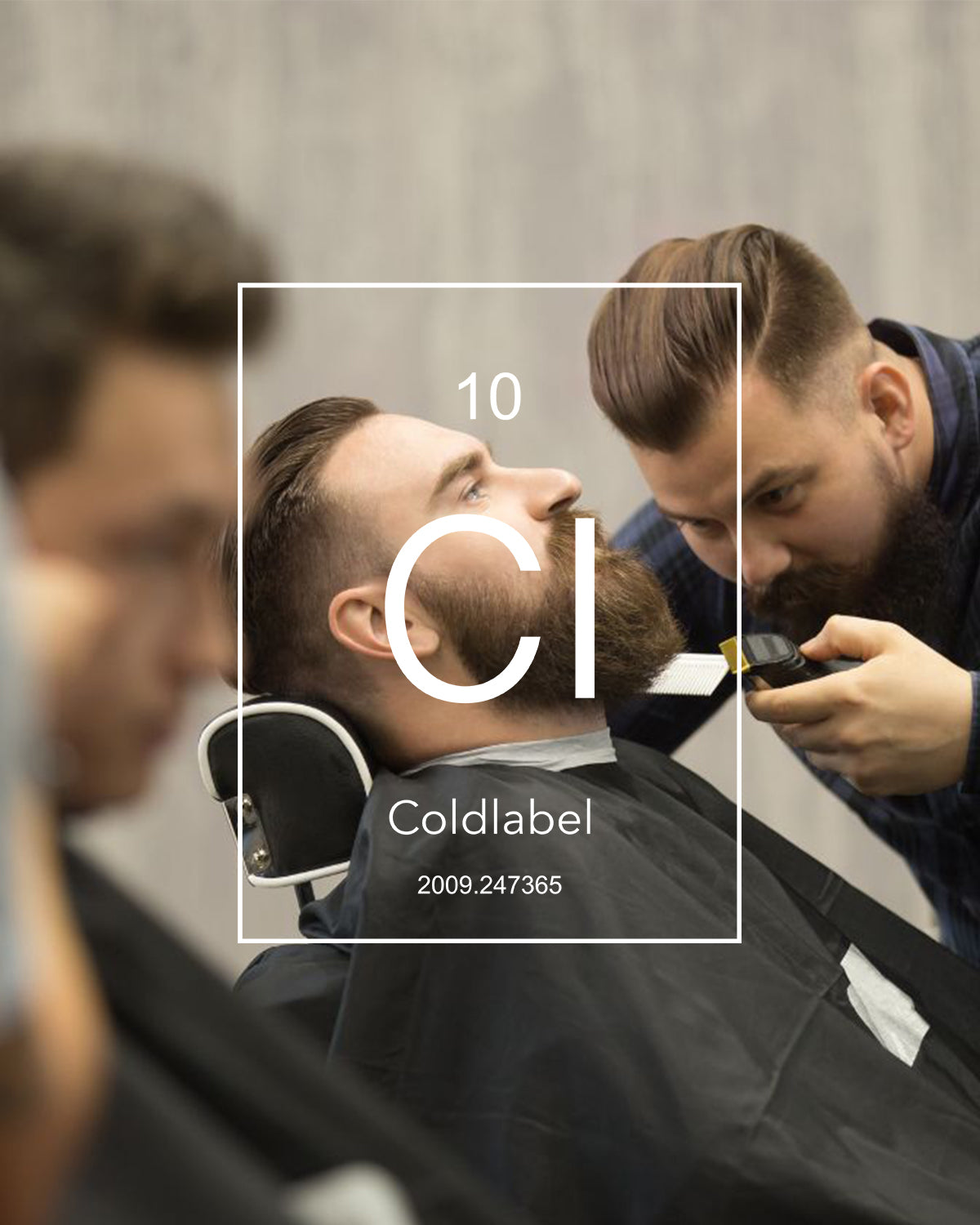
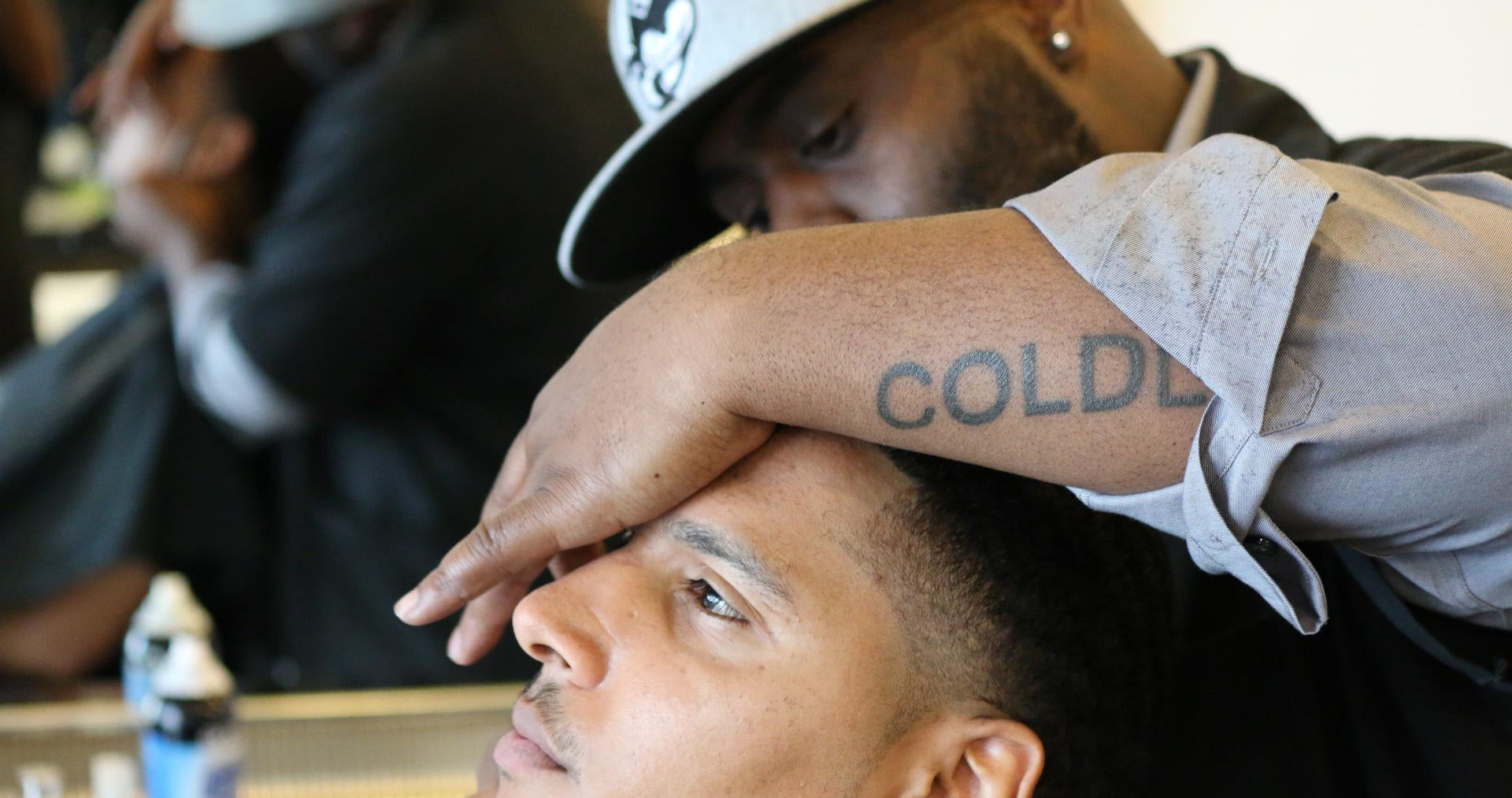
In barbershops, this distinction is easy to spot. The man who maintains his hair, skin, and beard with intention walks in differently than the man who treats grooming as an afterthought. Grooming influences how the body holds itself, how a man occupies space, and how he’s perceived before he ever speaks.
This article explores why grooming affects movement—physically, psychologically, and socially—and how disciplined care builds a quieter, more controlled presence.
 Grooming Is a Feedback Loop Between Body and Mind
The Physical Awareness Effect
Regular grooming increases bodily awareness. When a man pays attention to his scalp, beard line, skin texture, or haircut structure, he becomes more conscious of his physical state overall.
This awareness carries into movement:
-
Improved posture from noticing neck, shoulders, and head alignment
-
More deliberate gestures due to heightened self-monitoring
-
Reduced fidgeting caused by feeling “put together”
Men who groom consistently are more likely to stand upright, move with economy, and avoid rushed or careless motion.
Skin, Hair, and Comfort Matter
Healthy skin and scalp reduce irritation, tightness, and discomfort—factors that subtly influence how someone moves. Dry scalp, ingrown hairs, or neglected skin can create unconscious tension.
Well-maintained grooming reduces:
-
Neck and shoulder stiffness from poor haircut maintenance
-
Facial tension caused by irritated skin or beard discomfort
-
Restlessness linked to physical unease
Comfort creates stillness. Stillness creates control.
Grooming Discipline Builds Controlled Confidence
Routine vs. Ritual
There’s a difference between rushing through a routine and practicing a ritual. Ritual slows the body down. It introduces intention.
A grooming ritual often includes:
-
Consistent timing
-
Specific tools
-
Familiar techniques
-
Repetition without haste
This trains patience and precision—qualities that translate directly into body language.
Men who rush their grooming tend to rush their movements. Men who respect the ritual move with restraint.

Confidence Without Excess
Grooming-driven confidence isn’t performative. It doesn’t require exaggerated movement or loud presence. Instead, it produces:
-
Calm walking pace
-
Reduced need for nervous gestures
-
Measured eye contact
-
Relaxed shoulders and jaw
This is confidence rooted in preparation, not performance.
Barbershop Standards Shape How Men Carry Themselves
The Barbershop as Physical Education
Traditional barbershops do more than cut hair. They reinforce standards of order, symmetry, and self-presentation.
When a barber aligns a neckline or sharpens a beard contour, he’s correcting posture indirectly. A clean haircut exposes poor posture. A crooked stance becomes visible once the grooming is sharp.
Over time, clients adapt:
-
Chin lifts slightly
-
Shoulders square naturally
-
Head aligns over spine
Grooming reveals posture flaws—and encourages correction.

Accountability Changes Movement
Knowing you’re well-groomed creates accountability. You move as if you represent something—because you do.
Men who maintain grooming standards tend to:
-
Avoid slouching in public spaces
-
Walk with purpose rather than drift
-
Sit upright rather than collapse into seats
Order in appearance promotes order in movement.
Grooming and the Psychology of Self-Respect
Self-Respect Is Visible
Self-respect doesn’t announce itself. It shows in how a man enters a room, how he pauses before speaking, and how he moves when nothing demands attention.
Well-groomed men often display:
-
Slower transitions between actions
-
Fewer unnecessary movements
-
Greater comfort with stillness
These traits are commonly interpreted as confidence and authority.

The Identity Reinforcement Loop
When grooming is consistent, identity stabilizes. A man knows who he is because he shows up the same way daily.
That consistency affects movement:
-
No self-checking or adjustment behaviors
-
Less body language compensation
-
Reduced anxiety-driven motion
Grooming eliminates uncertainty, and uncertainty is what makes people move erratically.
Long-Term Grooming Health Influences Physical Ease
Scalp and Skin Health Affect Tension
Healthy grooming supports long-term physical ease:
-
Clean scalp promotes relaxed facial muscles
-
Proper beard care reduces jaw tension
-
Hydrated skin improves comfort and expression
Men who neglect grooming often carry tension in the face and neck—areas closely tied to posture and movement quality.

Fewer Products, Better Control
Overcomplicated grooming often leads to discomfort—heavy buildup, greasy hair, irritated skin. Minimal, well-chosen formulations support natural movement and comfort.
This aligns with professional grooming principles:
-
Clean formulations
-
Fewer but purposeful ingredients
-
Proper application technique
Why Others Perceive Well-Groomed Men Differently
Movement Is Read Before Words
People subconsciously read movement before language. A man who moves with control is often assumed to be:
-
More competent
-
More trustworthy
-
More experienced
Grooming supports this by reducing visual noise and erratic behavior.
Grooming Signals Preparedness
Prepared men move as if they expected to be seen. That expectation produces composure.
This doesn’t require perfection. It requires consistency.
Practical Guidance: How Grooming Improves Movement
To cultivate the physical presence associated with well-groomed men:
-
Establish a grooming ritual, not a rushed routine
-
Maintain haircuts and beard lines on schedule
-
Prioritize scalp and skin comfort
-
Use fewer, higher-quality grooming products
-
Groom at the same time daily to reinforce rhythm
Movement follows discipline.

Conclusion: Grooming as Quiet Authority
Well-groomed men move differently because they live differently. Their grooming rituals train patience, awareness, and control. Their physical comfort reduces tension. Their consistency builds confidence without excess.
This isn’t about looking impressive. It’s about moving with intention—standing, walking, and sitting as someone who respects himself and his standards.
At its highest level, grooming becomes invisible. What remains is presence.
FAQ's
Does grooming really affect body language?
Yes. Grooming improves comfort, posture awareness, and self-confidence—all of which directly influence movement and body language.
Is this about style or discipline?
Discipline. Style changes. Discipline shapes behavior long-term.
Can minimal grooming still have this effect?
Absolutely. Consistency and quality matter more than quantity.