360 Waves: Technique, History, and Long-Term Care
360 Waves: Craft, Technique, and Long-Term Hair Health
360 waves are more than a hairstyle. They are the visible result of discipline, patience, and an understanding of hair behavior passed down through generations of barbers. To the trained eye, well-formed waves signal intention: consistent care, proper technique, and respect for the craft.
This guide breaks down what 360 waves are, how they form, and how to maintain them responsibly—without shortcuts, hype, or misinformation. Whether you’re new to waves or refining your pattern, the goal remains the same: healthy hair shaped through methodical care.
What Are 360 Waves?
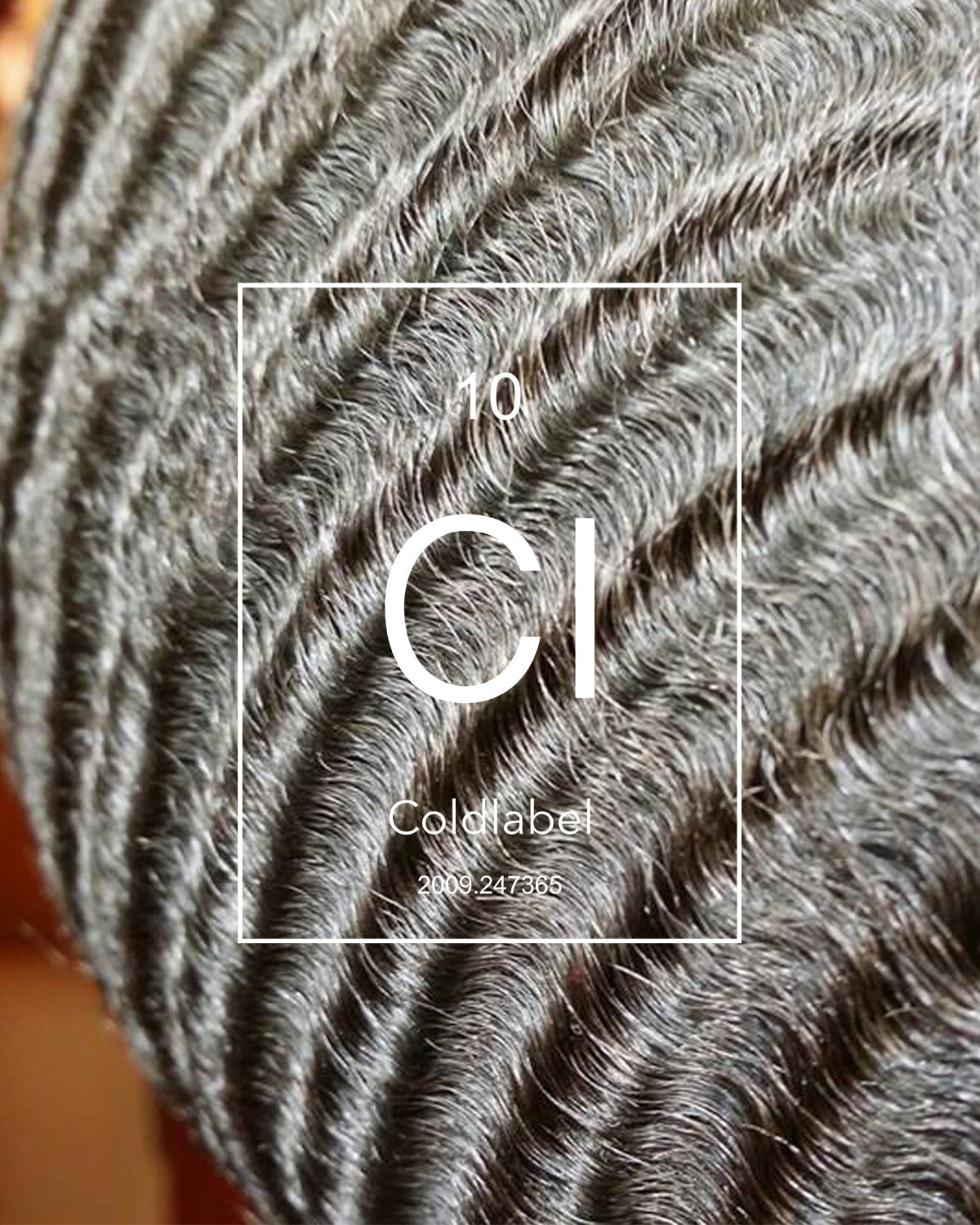
360 waves are a circular wave pattern formed across the entire scalp, radiating outward from the crown. They occur when short, tightly coiled hair is trained to lie down in a uniform direction, creating visible ripples.
This pattern is most commonly achieved on Type 3 and Type 4 hair, where natural curl structure allows waves to emerge when hair is cut low and brushed consistently.
Key characteristics of proper 360 waves:
-
Defined, even wave depth
-
Clear crown placement
-
Consistent flow around the entire head
-
Healthy scalp with no visible irritation or thinning
Waves are not created overnight. They are trained over time through repetition and restraint.
The Cultural and Barbering Heritage of 360 Waves

360 waves have deep roots in barbershop culture, particularly within Black grooming traditions. Long before social media tutorials, waves were refined in the chair—guided by experienced barbers who understood hair density, crown patterns, and growth cycles.
Historically, waves represented:
-
Self-discipline in daily grooming
-
Respect for the barber-client relationship
-
Mastery of subtle detail, not excess
Today, the style remains relevant not because it is fashionable, but because it reflects continuity—ritual passed from one generation to the next.
How 360 Waves Form: The Science Behind the Pattern
At a fundamental level, waves form through directional training.
Hair naturally grows outward from the follicle at a slight angle. When tightly coiled hair is:
-
Cut to a low, uniform length
-
Brushed consistently in the same direction
-
Kept properly moisturized
…the curl pattern begins to lay down instead of standing upright. Over time, this controlled compression creates visible waves.
Key factors that influence wave development:
-
Hair texture and density
-
Consistency of brushing
-
Moisture balance
-
Scalp health
Without proper moisture and scalp care, brushing alone can lead to breakage rather than definition.
Essential Techniques for Building 360 Waves
1. Brushing With Intention
Brushing is not about force—it is about direction and repetition.
Best practices:
-
Use a medium or soft brush depending on hair length
-
Brush from the crown outward, following your natural growth pattern
-
Maintain consistent angles on all sides of the head
Overbrushing aggressively can damage hair and irritate the scalp. Control matters more than volume.
2. Hair Length Management
Waves respond best to low, even cuts, typically between a #1.5 and #2 guard, depending on hair texture.
Allowing hair to grow too long too quickly can disrupt the pattern, while cutting too short repeatedly can delay progress. A skilled barber will help find the balance.
3. Moisture and Conditioning
Healthy waves require pliable hair. Dry hair resists training and breaks under tension.
Focus on:
-
Occasional conditioning to maintain elasticity
-
Avoiding heavy petroleum products that clog the scalp
Proper hydration supports wave depth and long-term hair health.
4. Compression and Protection

Compression helps set the pattern while protecting hair between brushing sessions.
Responsible compression includes:
-
Wearing a breathable durag or wave cap
-
Avoiding excessive tightness that restricts circulation
-
Removing compression daily to allow the scalp to breathe
Compression is a tool—not a substitute for brushing or moisture.
Common Mistakes That Undermine Wave Progress

Even disciplined routines can fail if fundamentals are ignored.
Avoid these common issues:
-
Brushing dry hair, which increases breakage
-
Changing brush directions, causing inconsistent patterns
-
Overloading products, leading to scalp congestion
-
Neglecting the crown, resulting in weak connections
Waves reward restraint. More effort is not always better effort.
Scalp Health and Long-Term Grooming Responsibility
Waves sit on the surface, but scalp health determines longevity.
A healthy scalp:
-
Supports consistent growth cycles
-
Reduces inflammation and flaking
-
Allows hair to respond predictably to training
Best practices include:
-
Avoiding harsh detergents or alcohol-heavy products
-
Massaging the scalp to encourage circulation without irritation
Barbers know that no wave pattern survives neglect beneath the surface.
How Long Does It Take to Get 360 Waves?
There is no universal timeline. Most individuals see early wave formation within 4–8 weeks, with deeper connections forming over several months.
Progress depends on:
-
Hair texture and curl tightness
-
Daily consistency
-
Product discipline
-
Quality of barber guidance
Patience is part of the ritual. Waves mature slowly, much like any craft worth mastering.
Maintaining 360 Waves Over Time
Once established, waves still require maintenance.
Long-term care includes:
-
Adjusting brush firmness as hair density changes
-
Refreshing moisture without over-saturating
-
Scheduling regular trims to preserve shape
-
Monitoring scalp condition seasonally
Waves are not a finished product. They are a maintained state.
Frequently Asked Questions
Are 360 waves damaging to hair?
When done responsibly, no. Damage occurs when brushing is excessive, hair is dry, or compression is too tight.
Do waves work on all hair types?
Waves form most easily on coarser, tightly coiled hair. Looser textures may achieve waves with more effort and shorter lengths.
Can you have waves and healthy hair?
Yes. Proper moisture, scalp care, and restraint are essential.
Conclusion: Waves as a Grooming Discipline
360 waves are not about shortcuts or surface-level appearance. They are the outcome of consistent technique, respect for hair health, and adherence to grooming fundamentals.
When approached correctly, waves become a quiet marker of discipline—something noticed by barbers and understood by those who value craft.
Treat the process as a ritual, not a race. The pattern will follow.