The Big Chop: What It Means to Cut Locs and Start Fresh
The Big Chop: What It Means When People Cut Locs
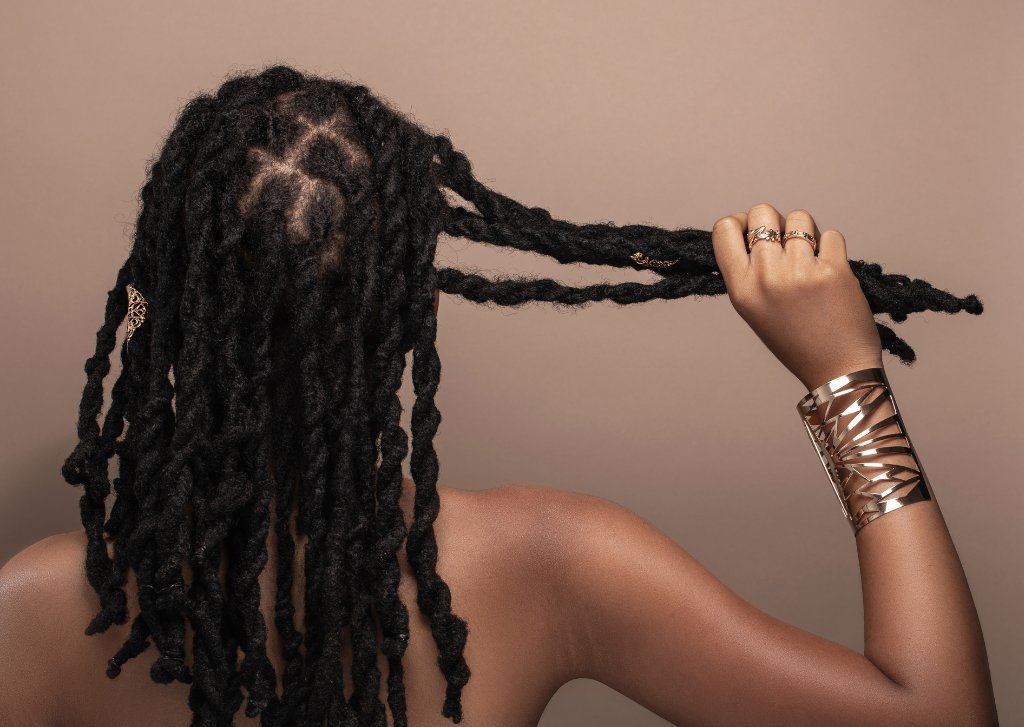
For many people, locs represent time, patience, identity, and discipline. Choosing to cut them—often referred to as the big chop—is not a casual decision. It is a moment of reset that carries emotional weight, cultural meaning, and practical consequences for scalp and hair health.
Whether driven by lifestyle changes, hair health concerns, or personal evolution, the big chop marks a transition. Done thoughtfully, it can restore the foundation of long-term grooming health. Done poorly, it can lead to scalp irritation, breakage, or frustration in the months that follow.
This guide explains why people cut locs, what happens to the hair and scalp when they do, and how to approach the big chop with professional care and intention.
Understanding the Big Chop in the Context of Locs
The term big chop traditionally refers to cutting off chemically damaged or transitioning hair. In the context of locs, it has expanded to mean cutting locs entirely to return to a low-length or natural loose-hair state.
Unlike a routine haircut, cutting locs removes:
-
Years of compacted hair fiber
-
Built-up product history
-
A specific grooming structure that shaped scalp behavior
This makes the moment more significant—both biologically and psychologically.

Why People Choose to Cut Their Locs
There is no single reason behind the big chop. Most decisions come from a combination of practical, physical, and personal factors.
1. Scalp or Hair Health Concerns
Over time, locs can trap residue if not properly cleansed. This may contribute to:
-
Chronic dryness or flaking
-
Itching or inflammation
-
Thinning at the roots from tension or weight
When scalp health declines, cutting locs can allow for direct access, treatment, and recovery.
2. Lifestyle or Professional Shifts
Some people cut locs due to:
-
Career or uniform requirements
-
Time constraints that limit proper maintenance
-
Athletic or climate-related needs
Healthy grooming depends on sustainability. When upkeep becomes inconsistent, a reset may be the responsible choice.
3. Personal or Spiritual Transition
For many, locs are tied to identity, belief systems, or a specific chapter of life. Cutting them can represent:
-
Closure
-
Renewal
-
A shift in self-definition
This aspect should never be minimized. The psychological impact is real and deserves respect.
4. Desire for a New Grooming Structure
Loose natural hair, cropped styles, or waves require different rituals than locs. Some people simply want:
-
More styling flexibility
-
Easier cleansing
-
A different relationship with their hair
What Happens to Hair and Scalp After Cutting Locs
Understanding the biological reset helps prevent common mistakes.
Hair Fiber Reality
Once locs are cut:
-
Hair length is dramatically reduced
-
Ends are often uneven and fragile
-
The cut hair has never been exposed as loose strands
This means the hair must be treated as new growth, even if it is not.
Scalp Adjustment Period
The scalp may experience:
-
Increased sensitivity
-
Overproduction of oil (after years of limited exposure)
-
Temporary dryness as balance recalibrates
This is normal. The goal is restoration, not correction through force.

How to Prepare for the Big Chop (Before the Cut)
A professional approach begins before the clippers touch the hair.
Cleanse Properly
In the weeks leading up to the chop:
-
Use a clarifying wash to reduce residue
-
Avoid heavy waxes, butters, or buildup-forming products
-
Rinse thoroughly and allow the scalp to breathe
Hydrate the Scalp, Not the Locs
Focus on scalp health rather than hair length:
-
Light oils or botanical tonics
-
Massage to increase circulation
-
No aggressive scratching or tight styles
Choose the Right Barber
Not every barber understands post-loc hair behavior. Look for:
-
Experience with textured hair resets
-
Clean sectioning and sharp tools
-
Respect for the moment—this is not a rush service
The Big Chop: Best Practices on Cut Day
Decide on Length With Intention
Cutting locs does not mean shaving to the skin. Options include:
-
Low crop
-
Uniform guard length
-
Shape-up with short texture
Your choice should reflect maintenance ability and scalp comfort, not impulse.
Immediate Aftercare Matters
After the cut:
-
Shampoo gently to remove loose fibers
-
Apply a calming, alcohol-free scalp treatment
-
Avoid heat or harsh brushing
The scalp is newly exposed and should be treated accordingly.

Rebuilding a Grooming Ritual After Cutting Locs
This is where long-term results are determined.
Reset Your Cleansing Schedule
Loose hair typically requires:
-
Clear rinsing habits
Overwashing and underwashing are equally damaging.
Focus on Scalp First, Hair Second
Healthy hair growth begins at the skin:
-
Regular scalp massage
-
Balanced moisture, not heavy grease
-
Observation—adjust based on response
(Internal link opportunity: “long-term scalp health”)
Be Patient With Texture Changes
Post-loc hair may feel:
-
Coarser than expected
-
Uneven in curl pattern
-
Difficult to style at first
This stabilizes over time with consistent care.
Common Mistakes After the Big Chop
Avoiding these protects progress:
-
Using heavy butters immediately after cutting
-
Brushing aggressively on dry hair
-
Expecting instant curl definition or growth
-
Ignoring scalp irritation
The big chop is not an endpoint—it is a beginning.
The Emotional Side of Cutting Locs
Many people underestimate this aspect. It is normal to experience:
-
Relief
-
Doubt
-
A sense of loss
-
Renewed confidence
Acknowledging these responses helps prevent reactionary grooming decisions that compromise hair health.
Conclusion: The Big Chop as a Reset, Not a Loss
Cutting locs is not failure, regression, or abandonment. When done with knowledge and intention, the big chop becomes a return to fundamentals—clean scalp, disciplined care, and sustainable grooming rituals.
The most successful transitions prioritize:
-
Scalp health over style
-
Craft over convenience
-
Long-term results over immediate appearance
Approached this way, the big chop is not just a haircut. It is a recalibration of how you care for yourself.
Frequently Asked Questions
Is cutting locs damaging to hair growth?
No. Hair growth continues from the follicle. Proper scalp care after the cut supports healthy regrowth.
Should I shave my head after cutting locs?
Not necessarily. Many benefit from leaving short length to protect the scalp and allow gradual adjustment.
How long does it take hair to feel normal again?
Typically 4–8 weeks, depending on scalp health, routine, and products used.