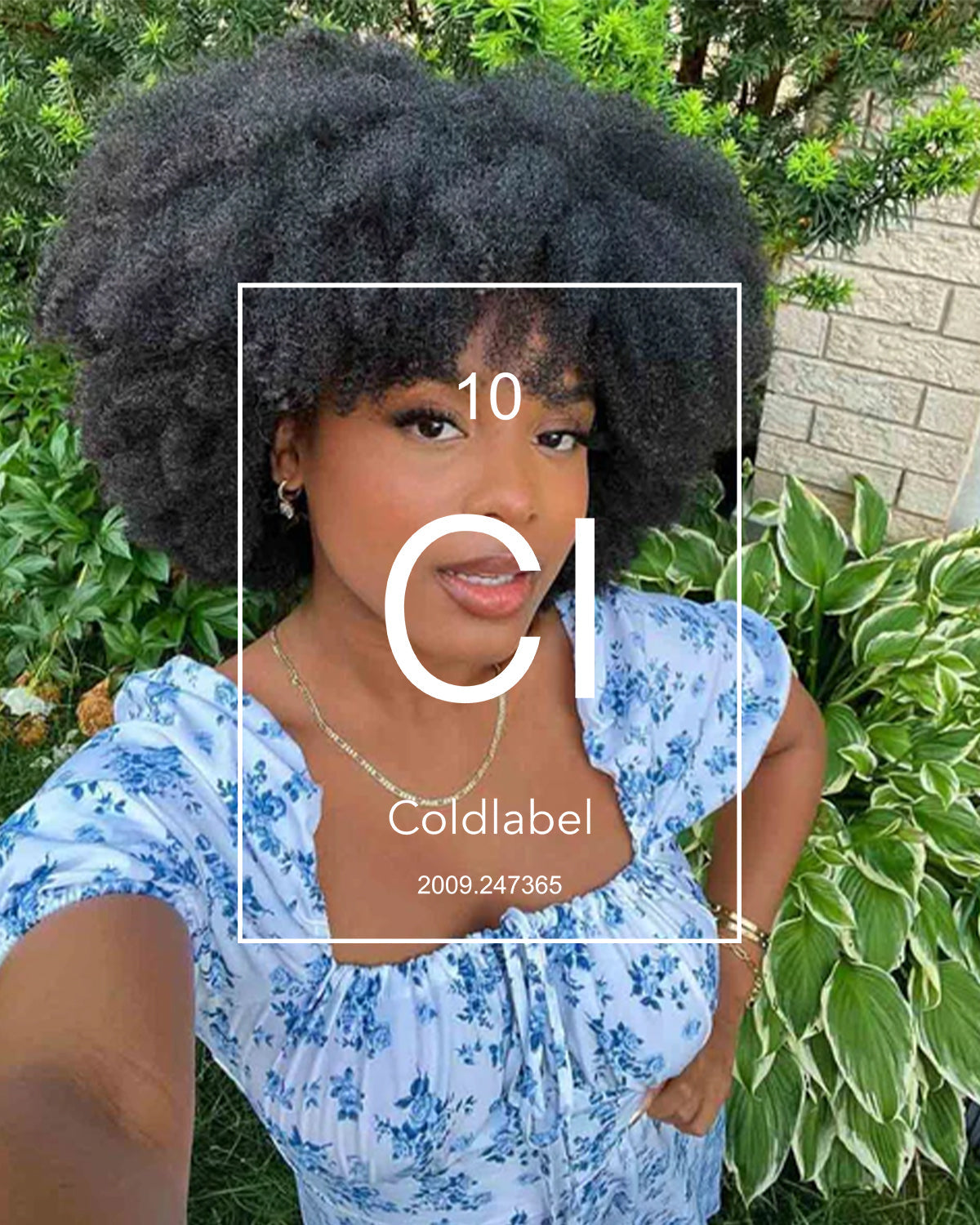
4C Hair Strength Explained | Complete Guide to Healthy 4C Hair
4C hair is often misunderstood. Many people assume it is fragile simply because it can break more easily when handled incorrectly. In reality, 4C hair possesses remarkable natural strength. The challenge is not that the hair itself is inherently weak—it is that its unique structure requires thoughtful care to protect that strength.
Understanding what makes 4C hair strong can completely change the way you approach grooming. Instead of constantly trying to "fix" your hair, you can begin working with its natural biology while supporting healthy scalp function and maintaining long-term resilience.

This guide is for anyone with 4C hair who wants healthier hair naturally, values clean ingredients, and prefers practical, science-based grooming over quick fixes and trends.
What Makes 4C Hair Unique?
Hair typing describes the natural shape of each strand.
4C hair has the tightest curl pattern among commonly used hair classifications. Individual strands bend and coil repeatedly from root to tip, creating remarkable volume and texture while also making natural oils more difficult to distribute throughout the hair shaft.
This distinctive structure gives 4C hair several advantages:
- Exceptional versatility
- Excellent shrinkage that protects strand length
- Dense appearance
- Strong styling memory
- Natural resistance to environmental stress
However, these same characteristics mean that moisture management and gentle handling become especially important.
Is 4C Hair the Strongest Hair Type?

The answer depends on how strength is defined.
Hair scientists generally discuss strength in two ways:
Tensile Strength
Tensile strength refers to how much force a hair strand can withstand before breaking.
Healthy human hair—regardless of curl pattern—is primarily composed of keratin proteins. When properly hydrated and undamaged, 4C hair can demonstrate impressive tensile strength because of its highly organized protein structure.
Mechanical Vulnerability
Although the hair fibers themselves are strong, each bend within a tightly coiled strand creates potential stress points.
Imagine bending a wire dozens of times. Every curve experiences slightly more mechanical stress than a perfectly straight wire.
This explains why 4C hair can simultaneously be:
- Strong at the protein level
- More susceptible to breakage from rough handling
These two ideas are not contradictory.
The Biology Behind 4C Hair Strength
Hair is built primarily from keratin, an extremely durable structural protein also found in nails.

Inside every healthy strand are:
- Keratin protein chains
- Amino acid bonds
- Protective cuticle layers
- Internal moisture
When these structures remain intact, hair maintains:
- Flexibility
- Elasticity
- Resistance to breakage
One reason healthy 4C hair often appears so resilient is because its tightly packed protein structure can withstand significant daily movement without permanent damage—provided the cuticle remains protected.
Damage usually begins when repeated friction, dehydration, chemical processing, or excessive heat weakens the cuticle.
Why 4C Hair Sometimes Seems Fragile
Many people confuse dryness with weakness.
These are not the same thing.
The spiral shape of 4C hair prevents scalp oils from easily traveling down the strand. As a result, the hair naturally becomes drier than straighter hair types.
Dry hair experiences:
- Increased friction
- Reduced flexibility
- Lower elasticity
- Greater risk of breakage during combing
When moisture levels improve, much of this perceived fragility disappears.
The goal is not to force moisture into the hair once—it is to consistently support healthy hydration while minimizing unnecessary damage.
The Importance of Scalp Health
Strong hair begins beneath the surface.

Every hair strand develops inside a follicle embedded within the scalp.
A healthy scalp supports:
- Normal hair growth cycles
- Balanced oil production
- Healthy skin barrier function
- Reduced inflammation
- Improved follicle environment
An unhealthy scalp may contribute to:
- Excessive dryness
- Itching
- Flaking
- Product buildup
- Increased hair shedding
Supporting scalp health means cleansing regularly with gentle formulations that remove buildup without stripping the skin of its natural protective oils.
Clean ingredients that respect the scalp often provide better long-term results than harsh cleansers that create cycles of irritation and over-drying.
Moisture and Strength Work Together
One of the biggest misconceptions about natural hair is that moisture alone makes hair stronger.

In reality, healthy hair requires balance.
Hair needs:
- Moisture
- Protein integrity
- Lipid protection
- Gentle handling
Too little moisture reduces flexibility.
Too much swelling from excessive water exposure can temporarily weaken the cuticle.
The healthiest routine focuses on maintaining consistent hydration rather than constantly soaking the hair.
Natural oils and plant butters do not add moisture directly, but they help reduce moisture loss by supporting the hair's protective barrier.
Habits That Help Preserve 4C Hair Strength
Long-term strength comes from everyday decisions rather than miracle products.

Handle Hair Gently
Avoid excessive pulling during detangling.
Work in sections and use fingers or wide-tooth combs whenever practical.
Keep the Scalp Clean
Product buildup can interfere with scalp comfort and healthy follicle function.
Use gentle cleansers appropriate for textured hair.
Reduce Heat Damage
High temperatures permanently alter keratin proteins.
If heat styling is necessary:
- Use moderate temperatures
- Apply heat protectants
- Avoid repeated passes
Limit Chemical Processing
Relaxers, frequent bleaching, and aggressive coloring weaken the protein structure of every hair type.
Spacing chemical services farther apart helps preserve long-term strength.
Protect Hair During Sleep
Cotton pillowcases increase friction.
Silk or satin materials reduce mechanical stress while helping preserve moisture overnight.

Trim Damaged Ends
Split ends continue traveling upward if ignored.
Regular maintenance helps preserve healthy hair rather than sacrificing unnecessary length later.
Natural Ingredients That Support Healthy 4C Hair
Natural ingredients cannot change your genetics, but they can help create conditions where healthy hair thrives.

Beneficial ingredients often include:
- Shea butter for reducing moisture loss
- Jojoba oil for lightweight conditioning
- Castor oil for improving lubrication during styling
- Aloe vera for soothing the scalp
- Rosemary extracts commonly used in scalp-focused formulations
- Clay treatments that gently remove impurities without excessive stripping
The most effective grooming philosophy emphasizes clean formulations with purposeful ingredients instead of unnecessarily long ingredient lists.
Quality and consistency usually outperform constant experimentation.
Building a Sustainable Grooming Ritual
Healthy 4C hair is rarely the result of chasing trends.
Instead, it reflects consistent care built around intentional habits.

A practical weekly approach may include:
- Gentle cleansing
- Scalp massage during washing
- Conditioning
- Moisture retention
- Protective styling when appropriate
- Minimal manipulation throughout the week
This approach respects the natural biology of textured hair while allowing its inherent strength to become more visible over time.
Strong hair is not created overnight.
It is preserved through thoughtful grooming practiced consistently.
Conclusion
When people ask whether 4C hair is strong, the better question is whether its natural strength is being protected.
Healthy 4C hair possesses impressive structural resilience thanks to its keratin-rich composition. Yet its tightly coiled shape also makes it more vulnerable to dryness, friction, and improper handling.
Understanding this distinction changes everything.
Rather than viewing 4C hair as fragile, it is more accurate to view it as powerful but deserving of intentional care. A healthy scalp, gentle cleansing, clean ingredients, consistent hydration, and patient grooming rituals allow that natural strength to flourish over time.
The healthiest approach is not about chasing shortcuts. It is about respecting the remarkable design of textured hair and supporting it with practices grounded in biology rather than trends.

Frequently Asked Questions
Is 4C hair naturally stronger than straight hair?
The keratin structure of healthy hair is strong across all hair types. However, 4C hair's tightly coiled shape creates more stress points, making gentle care especially important even though the strands themselves are naturally resilient.
Why does 4C hair break if it's strong?
Breakage usually results from dryness, friction, excessive manipulation, heat damage, or chemical processing—not because the hair lacks strength.
Does scalp health affect 4C hair strength?
Yes. A healthy scalp supports normal follicle function and healthy hair growth, creating the best environment for producing resilient hair fibers.
What is the best routine for maintaining strong 4C hair?
Focus on gentle cleansing, scalp care, consistent hydration, minimal manipulation, protective styling when appropriate, and clean formulations that support long-term hair health.