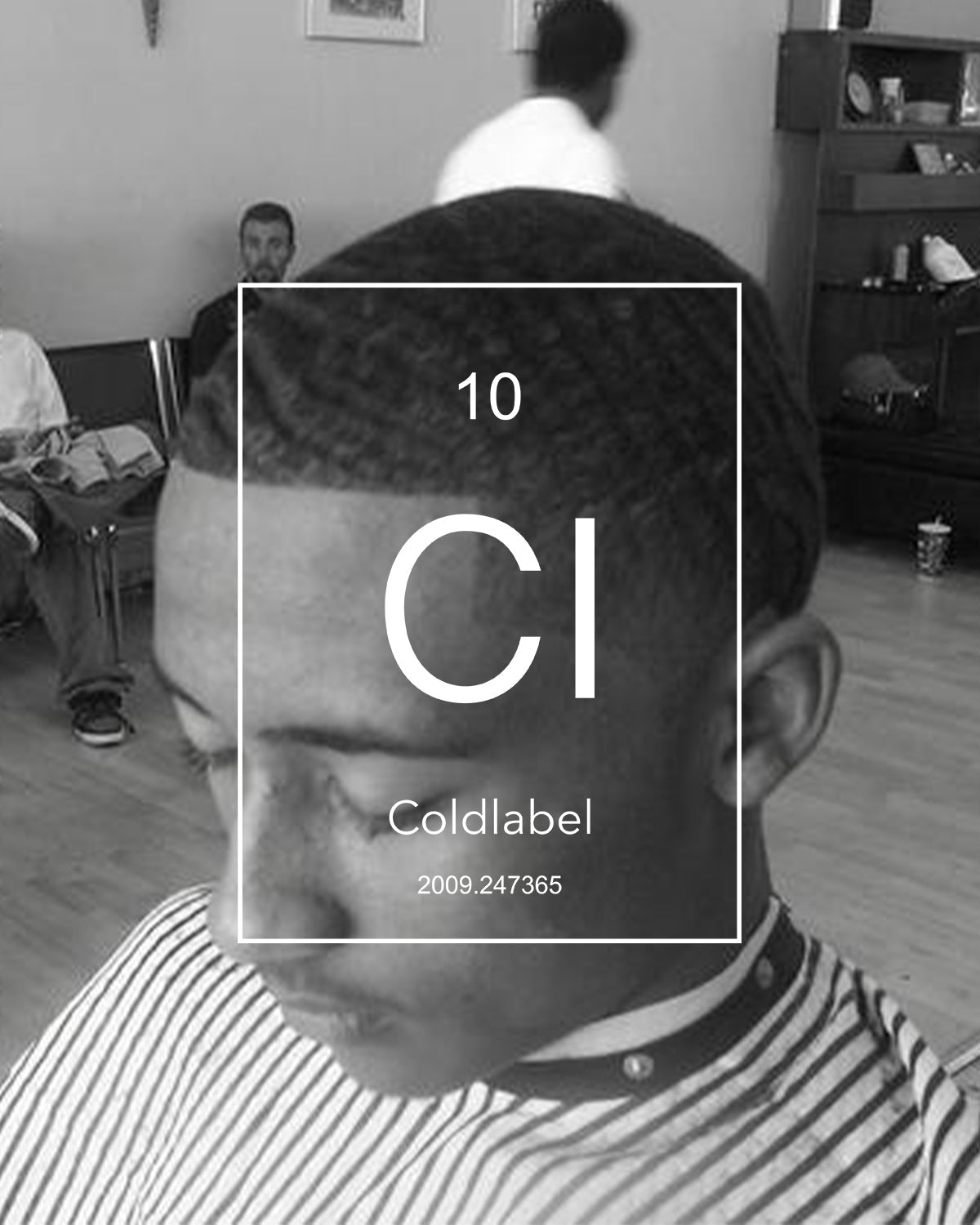
Barbershop Essential Visits | Complete Guide to Healthy Hair
A healthy grooming routine extends beyond the products you use at home. While quality cleansers, conditioners, and natural styling products all contribute to healthy hair, regular barbershop visits remain one of the most valuable investments you can make in your appearance and long-term hair health.
Many people wait until their hair feels difficult to manage or their haircut has completely grown out before scheduling an appointment. Others only visit before special occasions. Unfortunately, inconsistent barber visits can make maintaining healthy hair, a balanced scalp, and a polished appearance more difficult.

This guide explains why barbershop essential visits matter, how frequently most people should schedule appointments, and how professional grooming supports healthier hair, cleaner scalp conditions, and better long-term results—especially for curly, coily, textured, and wavy hair.
Why Regular Barbershop Visits Matter
A skilled barber does much more than shorten hair.
Professional grooming appointments help maintain hair shape, identify developing scalp concerns, remove damaged ends, and preserve styles that are easier to maintain between visits.
Regular appointments often contribute to:
- Better scalp hygiene
- Reduced split ends
- Easier daily styling
- Healthier-looking hair
- More consistent grooming habits
- Earlier recognition of scalp problems
Barbers also observe your hair from angles you rarely see yourself. They may notice excessive dryness, flaking, irritation, thinning, or breakage before you become aware of these changes.

While a barber cannot diagnose medical conditions, they can encourage clients to seek professional evaluation when something appears unusual.
Hair Health Begins with Consistency
Healthy hair grows from healthy follicles located beneath the scalp's surface.
Although hair cannot be "repaired" once damaged, preventing excessive damage is one of the most effective strategies for maintaining stronger, healthier-looking hair.

Regular maintenance helps minimize:
- Mechanical breakage
- Excessive tangling
- Uneven growth patterns
- Frayed ends
- Poor style retention
Consistent maintenance becomes even more important for textured hair, where curls naturally create areas of increased friction and moisture loss.
How Often Should You Visit the Barbershop?
There is no universal schedule.
The ideal frequency depends on:
- Hair length
- Hairstyle
- Growth rate
- Hair texture
- Personal grooming goals
Very Short Cuts
Most fade, taper, and buzz styles benefit from appointments every 2–3 weeks to maintain clean lines and balanced proportions.
Medium-Length Styles
Classic cuts generally look their best with maintenance every 3–5 weeks.
Longer Hairstyles
Longer textured styles often require trimming every 6–10 weeks, depending on hair condition and styling goals.
Growing Hair Out
Even when growing longer hair, periodic maintenance helps remove damaged ends while preserving overall growth.
Skipping trims entirely often leads to increased breakage that may ultimately require removing more length later.
Why Textured Hair Benefits from Professional Maintenance
Curly, coily, and tightly textured hair has unique structural characteristics.
Natural oils produced by the scalp travel more slowly along curved hair fibers than they do on straight hair. This can make textured hair more susceptible to dryness.

Routine barber visits help maintain:
- Balanced hair shape
- Even bulk distribution
- Healthier edges
- Manageable growth
- Cleaner styling patterns
For individuals maintaining waves, curls, afros, or other textured styles, professional shaping often makes home maintenance significantly easier.
Barbers Support Scalp Health
Healthy hair depends on a healthy scalp.
Although daily care happens at home, regular barber visits contribute to scalp wellness by identifying visible issues early and removing excess buildup around the hairline.

Common concerns that may become noticeable include:
- Dry scalp
- Product buildup
- Excess oil
- Irritation
- Flaking
- Uneven hair density
When appropriate, a barber may recommend simplifying your grooming routine or consulting a dermatologist if symptoms persist.
Pair Professional Visits with Natural Hair Care
The work completed in the barbershop should be supported by healthy daily habits.
Consider building your routine around:
Gentle Cleansing
Use cleansers that remove buildup without excessively stripping natural oils.
Scalp Hydration
Well-balanced moisture helps support skin comfort while reducing excessive dryness.
Botanical Oils
Depending on your hair type, lightweight natural oils may help improve softness and reduce friction without creating excessive buildup.
Regular Brushing or Combing
Proper grooming distributes natural oils while helping maintain your hairstyle between appointments.
Protective Sleep Habits
Satin or silk pillowcases and head coverings reduce overnight friction that contributes to breakage.
Professional grooming and thoughtful home care work together rather than replacing one another.

Choosing the Right Barber
Finding the right barber is about more than technical skill.
Look for someone who:
- Listens carefully
- Understands your hair texture
- Prioritizes hair health
- Uses clean equipment
- Maintains sanitary practices
- Explains recommendations clearly
- Values consistency over trends

An experienced barber develops familiarity with your hair over time, allowing each appointment to build on the previous one.
This continuity often leads to better long-term grooming outcomes than constantly changing barbers.
Signs You're Waiting Too Long Between Visits
Many people delay appointments until their haircut feels unmanageable.
Common indicators include:
- Hair losing its intended shape
- Split ends becoming noticeable
- Increased tangling
- Difficulty brushing or styling
- Uneven growth
- Hairline appearing overgrown
- Increased product use just to maintain appearance
Addressing these issues early generally requires less correction than waiting several additional weeks.
The Barbershop as Part of a Grooming Ritual
Great grooming is rarely the result of one product or one haircut.
Instead, it develops through intentional habits practiced consistently over time.
Regular barbershop visits create natural opportunities to evaluate your routine, refresh your haircut, and assess the condition of both your hair and scalp.
Viewed this way, the barbershop becomes more than a place for maintenance—it becomes part of a broader grooming ritual rooted in care, craftsmanship, and long-term health.
This philosophy aligns especially well with natural grooming, where consistency, clean formulations, and thoughtful practices matter more than chasing short-lived trends.
When combined with gentle cleansing, balanced scalp care, appropriate conditioning, and quality grooming products, barbershop essential visits help support healthier hair, better scalp condition, and a consistently well-maintained appearance over time.

Frequently Asked Questions
How often should most people visit the barbershop?
Most short hairstyles benefit from appointments every two to four weeks, while medium-length cuts typically require maintenance every three to five weeks. Longer hairstyles may only need trimming every six to ten weeks.
Do regular haircuts make hair grow faster?
No. Haircuts do not change the rate of hair growth, which occurs at the follicle beneath the scalp. However, trimming damaged ends can reduce breakage, helping hair maintain a healthier appearance over time.
Can a barber identify scalp problems?
A barber may notice visible signs such as excessive flaking, irritation, or thinning, but cannot diagnose medical conditions. Persistent scalp concerns should be evaluated by a dermatologist or other qualified healthcare professional.
Are regular barber visits important for curly and coily hair?
Yes. Professional shaping helps maintain balanced growth, improves manageability, reduces uneven bulk, and supports healthier-looking textured hairstyles when combined with appropriate home care.