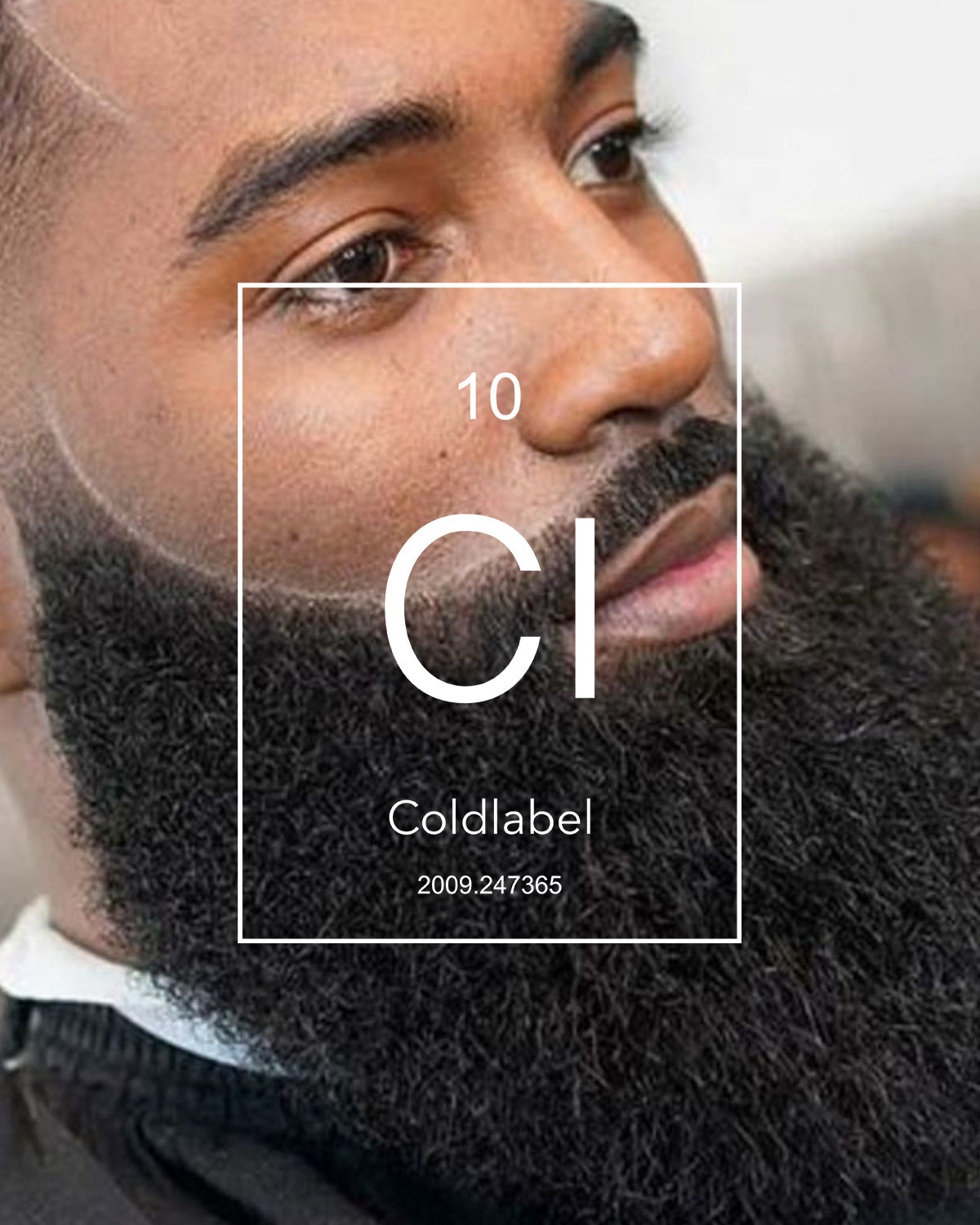
Beard Care Guide for Healthy Growth | Natural Grooming

Growing a beard is often the easy part. Keeping it healthy, comfortable, and well-maintained requires consistent care. Many people experience dryness, itchiness, beard dandruff, split ends, or uneven texture, especially when they rely on harsh cleansers or neglect the skin beneath the beard.
Proper beard care is about much more than appearance. Healthy facial hair begins with healthy skin. The condition of your skin influences beard comfort, moisture balance, and the environment in which beard hairs grow. Whether you're growing your first beard or refining a long-established grooming ritual, choosing natural ingredients and maintaining consistent habits can help improve beard health over time.

This guide explains the fundamentals of beard care, common mistakes to avoid, and how to create a practical, natural beard care routine built around long-term health rather than quick fixes.
Why Beard Care Matters
Facial hair differs from the hair on your scalp. Beard hairs are generally thicker, coarser, and more susceptible to dryness because the natural oils produced by the skin often struggle to travel along the entire hair shaft.
Without proper care, many people experience:
- Dry, brittle beard hair
- Itchy skin
- Beard dandruff (beardruff)
- Split ends
- Frizz
- Uneven appearance
- Increased breakage

Healthy beard care focuses on two equally important areas:
- The beard itself
- The skin underneath
Ignoring either one can make even a full beard appear unhealthy.
Understanding Healthy Beard Growth
Although genetics largely determine beard density and growth patterns, the condition of your facial hair depends heavily on your daily grooming habits.
Healthy beard hair benefits from:
- Adequate moisture
- Clean skin
- Minimal mechanical damage
- Balanced nutrition
- Consistent grooming
Hair grows from follicles beneath the skin. While grooming products cannot change your genetics, they can create an environment that supports healthier-looking hair by reducing breakage, maintaining hydration, and protecting the hair shaft.
Build a Natural Beard Care Routine
A consistent routine often produces better results than using numerous products inconsistently.
Cleanse Without Overwashing
Your beard collects sweat, oils, food particles, dust, and environmental pollutants throughout the day.
However, excessive washing can strip away beneficial natural oils.
Choose a gentle beard cleanser that:
- Uses mild cleansing agents
- Avoids harsh sulfates when possible
- Maintains skin moisture
- Cleans without leaving the beard overly dry

Most people benefit from washing their beard several times per week, adjusting frequency based on activity level, climate, and skin type.
Moisturize Both Hair and Skin
Dryness is one of the most common beard complaints.
After cleansing, replenish moisture using products formulated with nourishing plant oils and conditioning ingredients.
Beneficial natural oils may include:
- Jojoba oil
- Argan oil
- Sweet almond oil
- Grapeseed oil
- Castor oil

These oils help soften coarse beard hair while reducing friction between hairs that contributes to tangling and breakage.
The skin beneath the beard should also remain hydrated, helping minimize itchiness and flaking.
Brush and Comb Regularly
Brushing serves more purposes than simply improving appearance.
Regular brushing can:
- Distribute natural oils
- Reduce tangles
- Remove loose hairs
- Train beard hairs to grow in a consistent direction
- Improve overall neatness
A quality beard brush or wide-tooth comb can reduce unnecessary pulling that may contribute to hair breakage.
Choosing Beard Oils Carefully
Beard oils have become popular, but not every formula provides the same benefits.
A well-formulated beard oil should primarily support:
- Moisture retention
- Hair softness
- Skin comfort
- Reduced friction
- Improved manageability
Look for ingredient lists built around natural carrier oils instead of heavy synthetic fillers.
Highly fragranced products may smell pleasant but can sometimes irritate sensitive skin.

Simple, clean formulations often provide everything necessary for everyday beard maintenance.
Preventing Beard Dandruff Naturally
Beard dandruff—or beardruff—is usually caused by dry skin, irritation, or inadequate cleansing rather than the beard itself.
Common contributors include:
- Dry weather
- Hot showers
- Harsh cleansers
- Lack of moisturization
- Product buildup
To reduce beard dandruff:
- Cleanse gently
- Moisturize consistently
- Brush regularly
- Avoid excessively hot water
- Choose products with skin-supportive natural oils
Persistent redness, scaling, or irritation may warrant evaluation by a dermatologist, as skin conditions such as seborrheic dermatitis can resemble ordinary dryness.
Trim for Health, Not Just Appearance
Many people avoid trimming when growing a beard.
In reality, occasional trimming helps maintain healthier facial hair.

Regular trimming removes:
- Split ends
- Damaged hair
- Uneven growth
- Excess bulk in problem areas
A well-maintained beard often appears fuller because fewer damaged hairs are breaking or curling unpredictably.
Nutrition Supports Beard Health
No topical product can replace the importance of overall health.
Hair follicles depend on adequate nutrition to produce healthy hair fibers.
A balanced diet should include:
- Protein
- Iron
- Zinc
- Vitamin D
- Biotin (when dietary intake is insufficient)
- Omega-3 fatty acids
Staying hydrated also supports healthy skin, which forms the foundation of healthy facial hair.

While supplements are widely marketed for beard growth, most healthy individuals obtain the nutrients they need through a varied diet. Anyone considering supplements should consult a healthcare professional, especially if they have underlying medical conditions.
Common Beard Care Mistakes
Many beard problems result from habits rather than genetics.
Using Regular Hair Shampoo
Scalp shampoos may be too harsh for facial hair and facial skin, leading to unnecessary dryness.
Applying Too Much Product
Using excessive oil or balm can leave the beard greasy while attracting dirt and buildup.
Moderation typically provides better results.
Ignoring the Skin
Healthy facial hair begins beneath the surface.
Neglecting the skin often leads to itching, flakes, and irritation.
Overwashing
Cleaning is important, but excessive washing strips away protective oils that naturally condition both skin and hair.
Expecting Immediate Results
Beard health develops gradually.
Consistency over weeks and months generally produces better results than frequently changing products.
Beard Care Is a Daily Grooming Ritual
Healthy grooming extends beyond maintaining facial hair.
Thoughtful beard care reflects an intentional approach to personal care built around consistency rather than trends.
Developing a simple ritual encourages regular observation of your skin and hair, allowing you to address dryness, irritation, or buildup before these issues become more significant.

Natural grooming emphasizes maintaining the long-term condition of both the beard and the skin beneath it, rather than masking problems with heavy styling products.
Conclusion
Effective beard care combines gentle cleansing, consistent moisturization, careful grooming, and attention to the skin beneath the beard. While genetics influence beard growth, daily habits largely determine whether facial hair appears healthy, soft, and well-maintained.
Choosing clean formulations made with natural ingredients, avoiding harsh cleansers, and following a consistent beard grooming routine can help reduce dryness, beard dandruff, and breakage while improving overall beard health. Rather than chasing trends or quick fixes, approach beard care as an intentional grooming ritual that supports healthy facial hair over the long term.

Frequently Asked Questions
How often should I wash my beard?
Most people benefit from washing their beard several times per week with a gentle beard cleanser. Those who exercise frequently or work in dusty environments may need to cleanse more often.
Does beard oil help beard growth?
Beard oil does not change genetics or directly increase hair growth. It helps improve the condition of the beard and the skin beneath it by reducing dryness and improving manageability.
Why is my beard itchy?
Beard itch commonly results from dry skin, insufficient moisturization, product buildup, or the early stages of beard growth. Gentle cleansing and regular moisturizing often improve comfort.
What are the best natural ingredients for beard care?
Jojoba oil, argan oil, castor oil, shea butter, aloe vera, and vitamin E are commonly used in beard care products to help moisturize, condition, and support healthy-looking facial hair.