Braid Maintenance Guide for Healthy Hair and Scalp
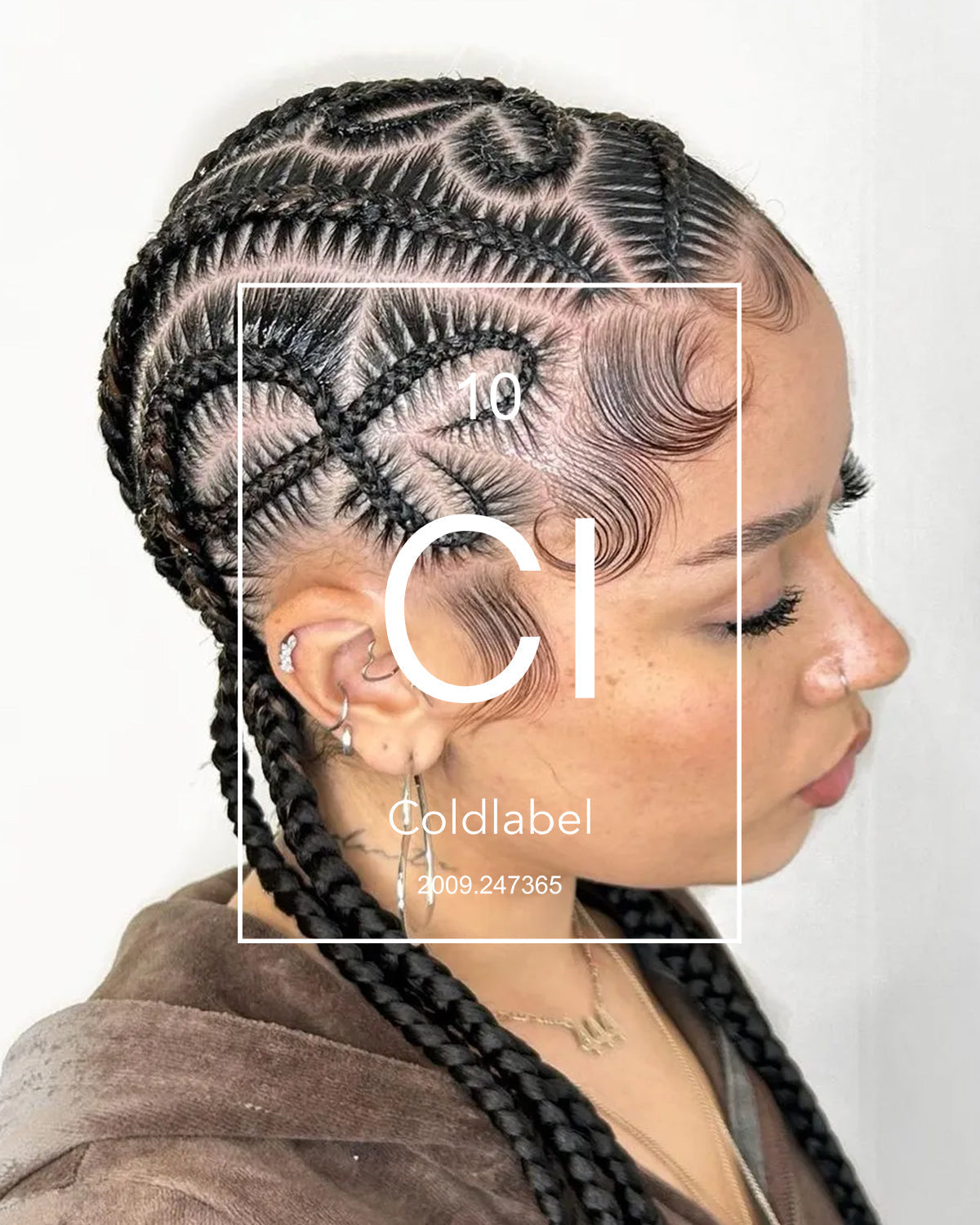
Braids are one of the most practical and versatile protective hairstyles available for textured hair. Whether you wear cornrows, individual braids, twists, or intricate braided styles, proper braid maintenance determines whether your hair becomes healthier—or experiences dryness, irritation, and breakage.
Protective styling works only when it truly protects the hair and scalp. Without regular cleansing, hydration, and thoughtful care, braids can trap sweat, oils, and debris while placing prolonged tension on the hair follicles. Over time, neglect can lead to scalp discomfort, weakened strands, and unnecessary hair loss.

This guide is for anyone who wants healthier hair through intentional grooming. Whether you've recently installed braids or have worn them for years, these principles will help preserve your style while supporting long-term scalp and hair health.
Why Braid Maintenance Matters
Braids reduce daily manipulation, helping minimize mechanical damage to textured hair. They also protect the ends of the hair, which are the oldest and most fragile portions of each strand.
However, braids do not eliminate the need for regular hair care.
Healthy braided hair depends on maintaining:
- A clean scalp
- Balanced moisture
- Minimal tension
- Healthy follicles
- Strong hair strands
Ignoring these fundamentals can eventually compromise both the appearance of the braids and the health of the hair underneath.
Think of braids as a protective environment—not a substitute for grooming.
Build a Healthy Braid Maintenance Routine
Keep the Scalp Clean
One of the biggest misconceptions is that braided hair should not be washed.
In reality, a clean scalp promotes healthier hair growth and reduces irritation.
Sweat, dead skin cells, environmental pollutants, and excess sebum continue to accumulate even while the hair is braided.
Gentle cleansing every 1–3 weeks is appropriate for many people, although the ideal frequency depends on activity level, scalp oil production, and product usage.

Choose:
- Sulfate-free cleansers
- Gentle botanical shampoos
- Lightweight cleansing foams
- Diluted shampoos if desired
Focus primarily on cleansing the scalp rather than aggressively scrubbing the braids themselves.
Moisturize the Hair and Scalp
Braids can reduce moisture loss from the hair, but they do not prevent dryness altogether.
Healthy textured hair still benefits from regular hydration.
Lightweight moisturizers are generally preferable because heavy products can accumulate between the braids.
Look for ingredients such as:
- Aloe vera
- Vegetable glycerin
- Jojoba oil
- Argan oil
- Marshmallow root
- Rose water
Avoid saturating the braids with thick butters or heavy petroleum-based products that may attract dirt and become difficult to remove.
Instead, apply moisture directly to the scalp and exposed new growth.
Protect the Hair While Sleeping
Nighttime friction is one of the most overlooked causes of frizz and premature wear.

Cotton pillowcases create friction that roughens the hair cuticle.
Sleeping with:
- A bonnet
- A Cap/Scarf
- Satin pillowcase
helps reduce moisture loss while minimizing unnecessary friction.
These simple habits often extend the life of braided styles while reducing breakage around the hairline.
Avoid Excessive Tension
Braids should never feel painfully tight.
Excessive tension may contribute to:
- Hairline recession
- Inflamed follicles
- Headaches
- Tender scalp
- Hair breakage
If your scalp remains painful for several days after installation, the style is likely too tight.
Healthy braids should feel secure—not restrictive.
Protective styles should reduce stress on the hair, not increase it.
Prevent Product Buildup
Many people unintentionally overload braided hair with oils, creams, gels, and edge products.
Excess buildup can:
- Attract dirt
- Cause itching
- Dull the appearance of braids
- Make cleansing more difficult
Instead of layering multiple products daily, choose a few high-quality formulations with clean ingredients and apply them intentionally.
Less product often leads to healthier hair.
Keep the Hairline Healthy
The edges are among the most delicate hairs on the scalp.

Repeated pulling from:
- Tight braids
- Heavy extensions
- Frequent restyling
- Tight ponytails
can gradually weaken the follicles.
If your edges feel consistently tender, give them time to recover before reinstalling another braided style.
Alternating hairstyles and allowing periodic rest helps protect long-term hair density.
How Long Should You Keep Braids?
Protective styles are temporary.
Keeping braids installed for too long increases:
- Matting
- Product buildup
- Tangling
- Dryness
- Breakage during removal
For many braided styles, six to eight weeks is a reasonable maximum. Smaller braids may require removal sooner if significant new growth develops.
After removing braids, give your hair and scalp time to recover before installing another protective style.
This recovery period allows for deep cleansing, conditioning, detangling, and scalp assessment.
Nourish Hair From Within
Healthy braids begin with healthy hair.
Hair health reflects overall wellness, including:
- Adequate protein intake
- Iron
- Zinc
- Essential fatty acids
- Vitamins A, C, D, and E
- Hydration
No topical product can fully compensate for poor nutrition or chronic dehydration.
Supporting the body supports the scalp.
Ingredients That Support Healthy Braid Maintenance
Simple, naturally derived ingredients often perform exceptionally well during protective styling.
Consider products containing:
Humectants
These attract water to the hair.
Examples include:
- Aloe vera
- Vegetable glycerin
- Honey
Lightweight Botanical Oils
These help soften hair without excessive buildup.
Examples include:
- Jojoba oil
- Argan oil
- Grapeseed oil

Botanical Extracts
Certain plant extracts help soothe the scalp.
Examples include:
- Chamomile
- Calendula
- Green tea
- Rosemary
Choose formulations that prioritize ingredient quality over unnecessary fragrance or excessive fillers.
Signs Your Braids Need Attention
Watch for these warning signs:
- Persistent itching
- Noticeable product buildup
- Unpleasant odor
- Flaking
- Painful scalp
- Loose braids
- Significant frizz
- Excessive shedding during removal
Addressing these concerns early often prevents more significant hair problems later.
Braid Maintenance Is a Ritual, Not a Shortcut
Protective styling works best when viewed as part of a broader grooming philosophy rather than a temporary convenience.

Healthy braids are supported by consistent cleansing, thoughtful moisturizing, careful installation, and respect for the scalp.
Long-term hair health rarely comes from dramatic interventions. Instead, it develops through small, intentional habits repeated consistently over time.
By following a balanced braid maintenance routine, you preserve not only the appearance of your style but also the strength, resilience, and vitality of the hair beneath it. Clean ingredients, patient care, and disciplined grooming remain the foundation of healthy braided hair.
Frequently Asked Questions
How often should you wash braids?
Most people benefit from washing their braids every one to three weeks, depending on activity level, scalp oil production, and product buildup. Gentle cleansing helps maintain scalp health without unnecessarily disturbing the style.
Should you oil your scalp while wearing braids?
Lightweight oils can be beneficial if the scalp feels dry, but excessive oil application may contribute to buildup. Apply sparingly and only as needed.
How long should braids stay in?
Many protective braided styles should be removed after approximately six to eight weeks. Leaving them in longer may increase tangling, buildup, and breakage.
Can braids help hair grow?
Braids do not directly increase hair growth. However, when installed and maintained properly, they can reduce breakage and help preserve length by protecting the hair from daily manipulation.