Candida Overgrowth on Scalp | Natural Treatment Guide
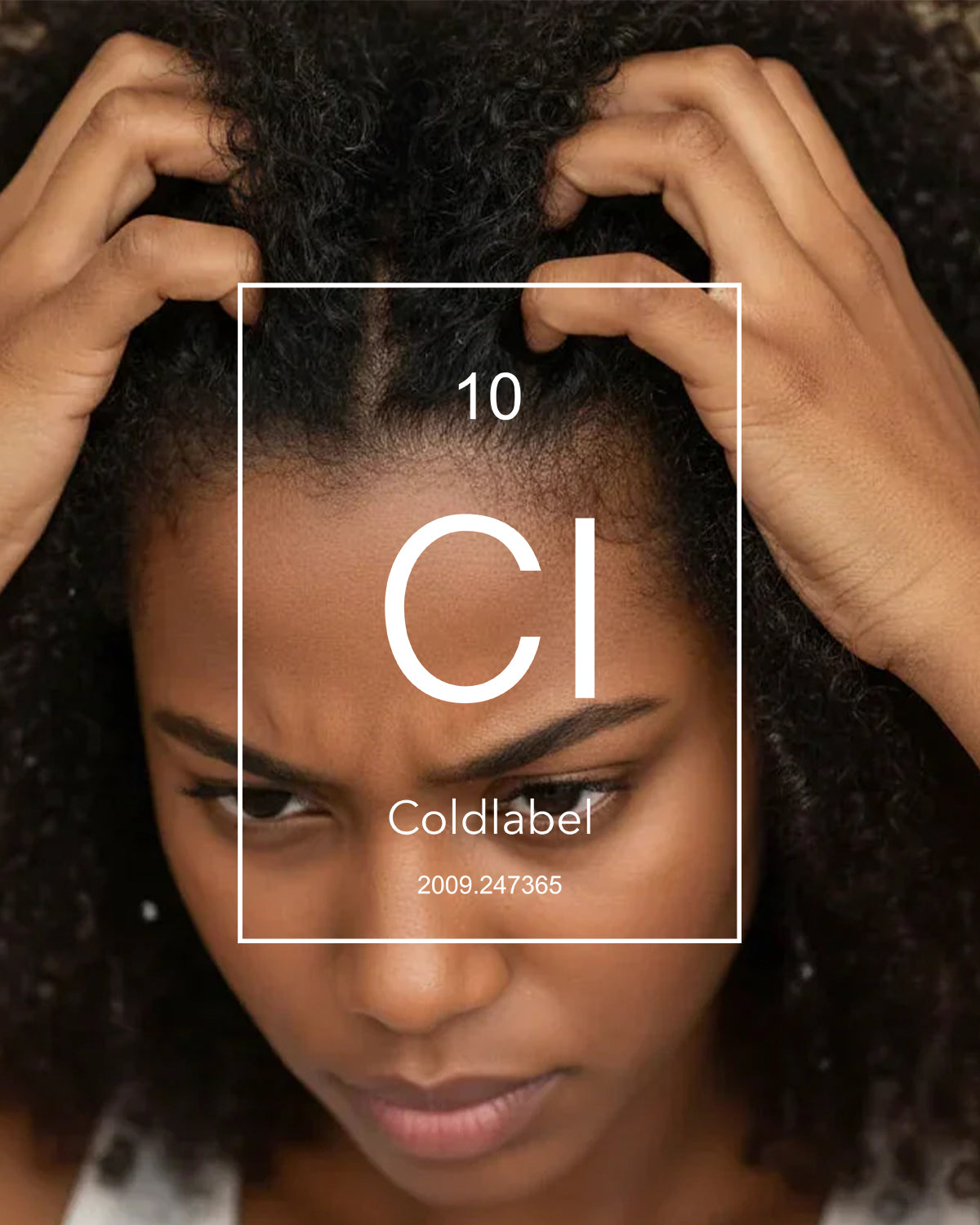
A healthy scalp is the foundation of healthy hair. When the scalp's natural ecosystem becomes unbalanced, irritation, persistent flaking, itching, and discomfort can follow. One possible contributor is candida overgrowth on the scalp—an imbalance involving naturally occurring yeast that can flourish under the right conditions.
Although Candida normally exists on human skin without causing problems, excessive growth may contribute to scalp irritation in some individuals. Because several scalp conditions share similar symptoms, it is important not to self-diagnose. Persistent or worsening symptoms should always be evaluated by a healthcare professional or dermatologist.

This guide is for anyone seeking a cleaner, more intentional grooming routine that supports long-term scalp health through healthy habits, gentle care, and thoughtfully selected ingredients.
What Is Candida Overgrowth on the Scalp?
The scalp is home to a diverse community of bacteria, fungi, and other microorganisms known collectively as the scalp microbiome. Under healthy conditions, these organisms coexist in balance and help support skin function.
Candida is a type of yeast naturally present on the skin. Problems arise when conditions encourage excessive growth or when the skin's protective barrier becomes compromised.
Several factors may contribute to imbalance, including:
- Excess moisture trapped against the scalp
- Heavy product buildup
- Prolonged sweating
- Overuse of harsh cleansers
- A weakened skin barrier
- Certain medications, such as antibiotics
- Underlying medical conditions that affect immune function
It's worth noting that another yeast, Malassezia, is more commonly associated with dandruff and seborrheic dermatitis than Candida. Because symptoms overlap, professional evaluation is often necessary for an accurate diagnosis.
Signs That May Suggest a Scalp Yeast Imbalance
Many scalp conditions appear similar. However, possible symptoms associated with yeast overgrowth include:
- Persistent itching
- Red or inflamed skin
- White or yellowish flakes
- Tender scalp
- Oily patches
- Burning sensation
- Increased sensitivity to hair products

These symptoms alone do not confirm candida overgrowth, but they indicate that the scalp environment may need attention.
Why Scalp Balance Matters for Healthy Hair
Hair grows from follicles embedded within healthy skin.
When chronic inflammation affects the scalp, it can interfere with the environment hair follicles depend upon.
A healthy scalp supports:
- Comfortable skin
- Stronger hair retention
- Improved moisture balance
- Better product performance
- Reduced irritation during grooming
This is why scalp care should always come before styling.
Healthy hair begins with healthy skin.
Build a Routine That Supports the Scalp Microbiome
Rather than trying to "kill everything" on the scalp, the goal should be restoring balance.
Cleanse Gently
Choose cleansers that remove excess oil and buildup without stripping the skin.

Look for formulations that avoid unnecessarily harsh detergents while effectively cleansing.
Over-cleansing can weaken the skin barrier and sometimes make irritation worse.
Remove Product Buildup
Pomades, waxes, sprays, and styling creams can accumulate over time.
If residue traps moisture and oil against the scalp, it may contribute to an unhealthy environment.
Periodic clarification helps maintain balance without excessive scrubbing.
Keep the Scalp Dry After Washing
Warm, damp environments encourage yeast growth.
After washing:
- Thoroughly rinse products away.
- Gently towel dry.
- Allow hair and scalp to dry completely before putting on hats or durags whenever practical.
Avoid Over-Occlusion
Constantly covering the scalp with tight hats or headwear may trap heat and moisture.
If you regularly wear wave caps, compression garments, helmets, or hats, allow the scalp opportunities to breathe during the day whenever possible.
Natural Ingredients That Support Scalp Health
Natural grooming emphasizes supporting the skin rather than overwhelming it.
Several ingredients have long histories of use in scalp care.
Aloe Vera

Aloe vera helps soothe irritated skin while supporting hydration.
It may provide comfort for dry or sensitive scalps.
Jojoba Oil
Jojoba closely resembles the skin's natural sebum.
It can help maintain moisture without leaving an excessively heavy finish.
Tea Tree Oil
Tea tree essential oil has demonstrated antimicrobial and antifungal activity in laboratory studies. However, it should always be diluted appropriately before topical use because concentrated essential oils may irritate the skin.
Rosemary
Rosemary is valued in traditional grooming for supporting scalp circulation and overall scalp wellness.

While research into hair growth continues, rosemary should be viewed as one supportive component of a broader scalp care routine rather than a standalone solution.
Clay-Based Cleansers
Natural clays help absorb excess oil while lifting impurities from the scalp.
When used occasionally, they may leave the scalp feeling refreshed without excessive stripping.
Lifestyle Habits That Influence Scalp Health
Healthy grooming extends beyond the bathroom mirror.
Daily habits influence the condition of your skin.
Support your scalp by:
- Eating a balanced diet rich in whole foods
- Staying hydrated
- Managing stress
- Getting sufficient sleep
- Washing after heavy sweating
- Cleaning combs and brushes regularly
- Replacing dirty pillowcases frequently
Small habits practiced consistently often outperform aggressive treatments.
When Should You See a Dermatologist?
Because many scalp disorders resemble one another, persistent symptoms deserve professional evaluation.
Seek medical advice if you experience:
- Painful sores
- Bleeding
- Thick crusting
- Significant hair loss
- Symptoms lasting several weeks despite improved care
- Recurring infections
A dermatologist can determine whether symptoms are caused by Candida, Malassezia, psoriasis, eczema, bacterial infection, allergic reactions, or another condition requiring targeted treatment.
The Coldlabel Philosophy: Restore Rather Than Overcorrect
Healthy grooming is rarely about using more products.
It is about using better products with greater intention.
A scalp that is cleansed gently, moisturized appropriately, protected from excessive buildup, and supported by consistent habits creates the conditions for healthier hair over time.
Rather than chasing quick fixes, focus on long-term scalp resilience through clean formulations, thoughtful rituals, and respect for your skin's natural biology.
Hair health begins where hair grows.
Protect the scalp first, and healthier grooming often follows naturally.

Frequently Asked Questions
Can candida overgrowth cause hair loss?
Candida itself is not a common direct cause of hair loss. However, ongoing inflammation or infection affecting the scalp may contribute to shedding in some individuals. Persistent hair loss should be evaluated by a healthcare professional.
What causes candida overgrowth on the scalp?
Multiple factors may contribute, including prolonged moisture, compromised skin barrier function, certain medications, immune system changes, and poor scalp hygiene. Because symptoms overlap with other conditions, diagnosis should come from a medical professional.
Are natural ingredients enough to treat scalp candida?
Natural ingredients may help support scalp comfort and overall skin health, but they are not substitutes for medical treatment when a true fungal infection is present. Persistent symptoms warrant professional evaluation.
How can I keep my scalp microbiome healthy?
Maintain a gentle cleansing routine, minimize product buildup, avoid excessive irritation, support overall health through nutrition and sleep, and choose grooming products that respect the skin barrier.