Choosing the Best Hair and Beard Style for Men
Choosing the Best Hair and Beard Style: A Barber-Informed Guide to Lasting Grooming
Choosing the right hair and beard style is not about chasing trends or copying what works for someone else. At its best, grooming is a considered ritual—one that respects bone structure, hair growth patterns, skin health, and personal discipline. When done well, the right style sharpens your presence, simplifies maintenance, and supports long-term hair and beard health.
This guide breaks down how professionals think about hair and beard selection, so you can make informed choices that age well, feel intentional, and align with craftsmanship rather than novelty.
Why Style Selection Matters More Than You Think
A haircut or beard is not just aesthetic—it affects how your face is read, how often you need maintenance, and how well your scalp and skin hold up over time. Poorly chosen styles often lead to:
-
Excessive trimming or reshaping
-
Dry scalp or irritated skin
-
Uneven growth patterns
-
A constant cycle of “fixing” instead of refining
Professional barbers approach grooming as a system, not a surface decision. The goal is balance, longevity, and health.
Start With Structure: Face Shape and Bone Line
Understanding Face Shape (Without Overthinking It)

Face shape is a framework, not a rulebook. Most men fall into blended categories, but understanding dominant features helps guide proportion.
Common considerations include:
-
Oval: Balanced proportions; most styles work if kept disciplined
-
Square: Strong jaw and cheek lines; benefits from controlled length and clean edges
-
Round: Softer contours; requires structure and vertical emphasis
-
Long/Rectangular: Length-dominant; benefits from visual width and restraint in height
Professional principle: Hair and beard should counterbalance the face, not exaggerate it.
Beard as Structural Support
A beard can subtly reshape the face when cut correctly:
-
Shorter sides, fuller chin for round faces
-
Controlled fullness along the jaw for long faces
-
Clean cheek lines to prevent visual heaviness
(Internal link opportunity: “beard shaping fundamentals”)
Hair Type and Growth Pattern: The Non-Negotiables

Hair Texture Dictates the Cut
Ignoring hair texture is one of the fastest ways to create frustration.
-
Straight hair: Shows mistakes easily; requires precision
-
Wavy hair: Benefits from layered structure and controlled length
-
Curly/coiled hair: Needs moisture-first thinking and shape over thinning
-
Coarse hair: Holds structure well but dries quickly without conditioning
A style should work with your hair’s natural behavior, not against it.
Growth Direction and Density

Barbers assess:
-
Crown swirl patterns
-
Hairline recession or density changes
-
Areas of faster or slower growth
Styles that fight growth patterns demand constant correction. Sustainable grooming respects how hair naturally moves.
Lifestyle and Maintenance: Be Honest With Yourself
A refined style is only refined if it can be maintained.
Ask yourself:
-
How often do I realistically visit a barber?
-
Do I enjoy daily grooming rituals, or prefer minimal upkeep?
-
Am I consistent with washing, conditioning, and moisturizing?
Low-Maintenance vs. High-Discipline Styles
Lower maintenance styles:
-
Tapered cuts with natural texture
-
Short, evenly shaped beards
-
Styles that grow out cleanly
Higher discipline styles:
-
Sharp fades and hard parts
-
Long beards requiring daily care
-
Precision lineups that need frequent upkeep
There is no hierarchy—only alignment.
Beard and Hair Must Work Together
One of the most common mistakes is treating hair and beard as separate decisions. Professionals design them as a single composition.

Balance Principles
-
A fuller beard pairs best with controlled hair length
-
Short hair often benefits from more beard presence
-
Clean necklines anchor longer styles
Disconnection between hair and beard creates visual imbalance, even if each element looks fine on its own.
Skin, Scalp, and Long-Term Grooming Health
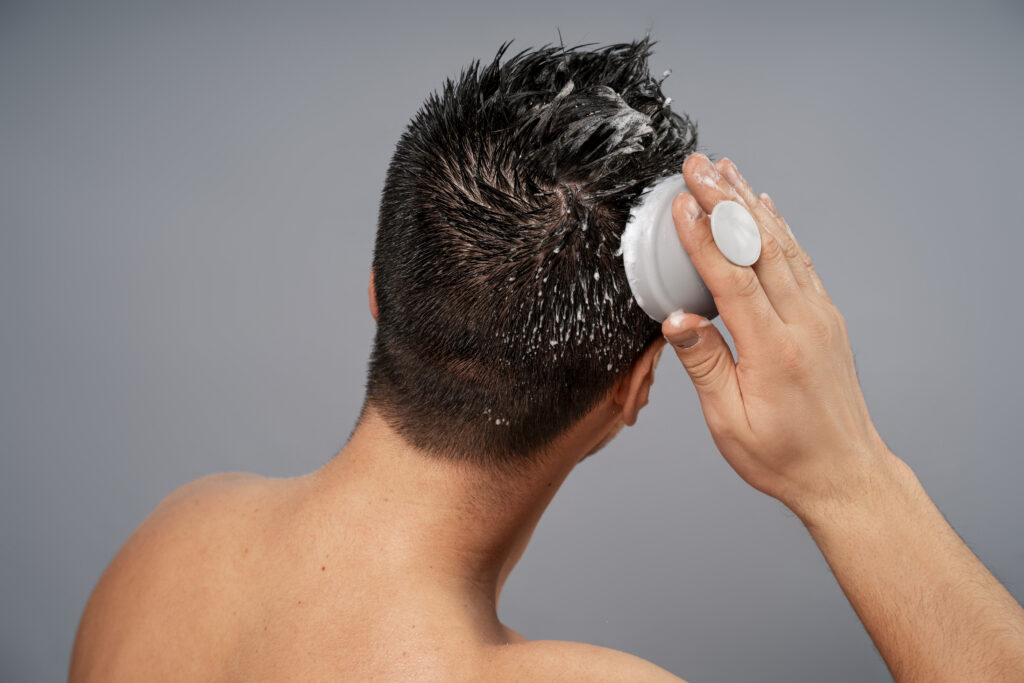
Style Should Support Health
Healthy grooming starts beneath the surface.
Considerations professionals prioritize:
-
Scalp health: Overly tight cuts or aggressive thinning can stress follicles
-
Beard skin: Length without hydration often leads to itch and flaking
-
Product compatibility: Heavy waxes or alcohol-heavy products can disrupt balance
Ingredient-conscious grooming supports both appearance and comfort over time.
The Barber Consultation: How to Get Real Value
A proper consultation is a conversation, not a transaction.
How to Speak Barber Language
Instead of saying:
-
“Make it look cool”
-
“Do whatever you think”
Try:
-
“I want something that grows out cleanly”
-
“I prefer structure, not sharp trends”
-
“I want this to feel intentional and professional”
Bring reference points, but stay open. A skilled barber translates inspiration into something that works for you.
Evolving Your Style Over Time
Your best style at 25 is not always your best style at 40. Hair density, texture, and lifestyle change.
Professional grooming adapts by:
-
Softening lines as features mature
-
Prioritizing health over extremes
-
Refining rather than reinventing
Consistency builds identity. Subtle evolution builds authority.
Conclusion: Choose with Intention, Maintain with Discipline
Choosing the best hair and beard style is not about chasing attention—it is about alignment. Alignment between structure and texture, lifestyle and maintenance, aesthetics and health.
When grooming becomes a ritual rather than a routine, results compound over time. The right style should feel grounded, functional, and unmistakably yours—built on professional knowledge and sustained through care.
That is the difference between grooming that looks good today and grooming that holds its standard for years.
FAQ's
How often should I reassess my hair and beard style?
Every 6–12 months, or when lifestyle, hair density, or maintenance habits change.
Can one beard style work for all face shapes?
No. Beard length, width, and line placement should always be adjusted to individual structure.
Is longer always better for beards?
Length without health and shape often looks neglected. Structure matters more than size.
Do natural products really matter?
Consistency and compatibility matter most. Ingredient-aware grooming supports skin and hair balance long-term.