Ancient Origins of Barbering | History of Grooming Rituals
Ancient Origins of Barbering: The Ritual, Craft, and Authority Behind the Chair
Barbering did not begin as a service. It began as a ritual.
Long before the modern barbershop, the act of cutting hair and grooming the beard carried cultural, spiritual, and medical weight. Across early civilizations, barbering functioned as a marker of status, hygiene, discipline, and identity. Understanding these ancient origins matters because it reframes grooming as more than appearance—it restores its role as a practiced craft rooted in care, restraint, and long-term health.
For today’s discerning consumer and professional barber alike, the past offers a standard: grooming as a considered ritual, not a rushed routine.
Barbering Before the Barbershop
In early societies, hair and beard maintenance were inseparable from belief systems and social order. Grooming was often regulated, ceremonial, and reserved for trained practitioners.
Across cultures, barbers were:
-
Custodians of hygiene
-
Keepers of ritual knowledge
-
Symbols of trust and discretion
-
Early practitioners of skin and scalp care
This elevated role explains why barbering has endured across millennia while trends have faded.
Ancient Egypt: Grooming as Purity and Power

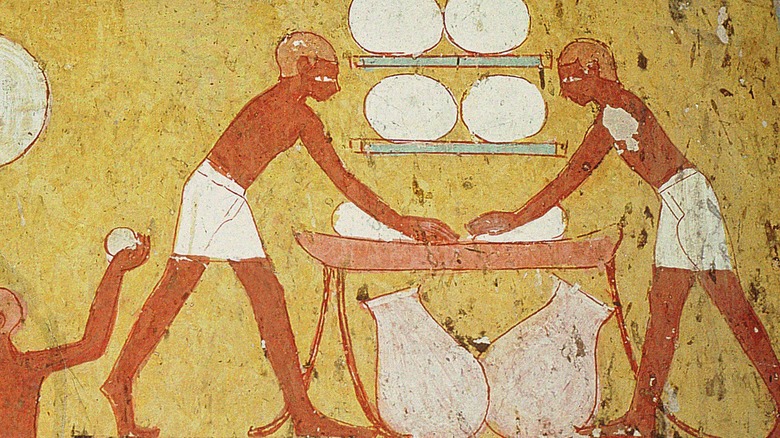
In Ancient Egypt, grooming was inseparable from cleanliness, spirituality, and rank. Priests, royalty, and elites routinely shaved their heads and bodies to maintain ritual purity and prevent disease.
Barbers in Egypt were highly respected specialists. Their tools—crafted from bronze and copper—represent some of the earliest known grooming instruments.
Key principles established in Egypt
-
Clean skin supports long-term health
-
Hair removal reduced parasites and infection
-
Grooming signaled discipline and order
Wigs and oils were used not for vanity, but protection—shielding the scalp from the sun and preserving skin balance. This is one of the earliest examples of grooming as preventative care.
Mesopotamia: Beards, Status, and Precision

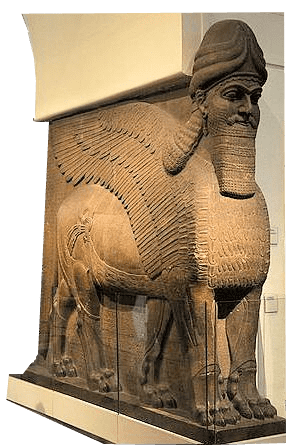
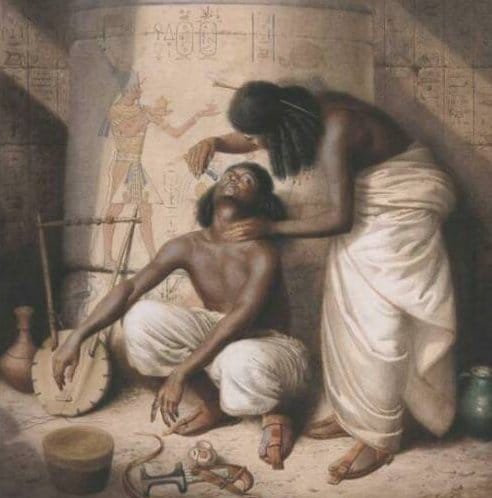
In Mesopotamia, the beard was a visible declaration of masculinity, authority, and wisdom. Kings and nobles wore elaborately styled beards, often curled and oiled with precision.
Barbers were responsible for:
-
Symmetry and balance
-
Clean lines and controlled length
-
Maintaining social distinctions through grooming
The emphasis on beard structure mirrors modern principles of facial harmony—proof that effective beard care has always relied on restraint and technical understanding rather than excess.
Ancient Greece: Grooming, Discipline, and the Ideal Man
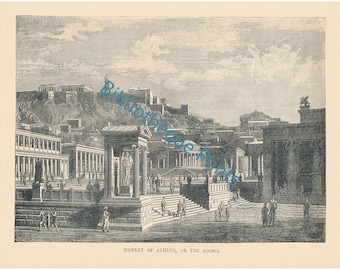
In Ancient Greece, the barber’s chair was a place of dialogue and civic engagement. Grooming reflected balance—between body and mind, form and function.
Greek men maintained their hair and beards to align with ideals of:
-
Proportion
-
Athletic discipline
-
Intellectual seriousness
Later, shifts toward shorter hair symbolized military readiness and practicality. The lesson remains relevant: grooming evolves with purpose, not impulse.
Rome: The Birth of the Barbershop

The Romans formalized barbering into a public institution.
The Ancient Rome introduced the tonsor—a professional barber operating in communal shops. These early barbershops were centers of:
-
Hygiene
-
News exchange
-
Social bonding
Daily shaving became a Roman standard, reinforcing cleanliness and civic identity. Oils and exfoliating practices were used to protect the skin—early foundations of modern skincare science.
The Barber-Surgeon: Where Grooming Met Medicine
During the medieval period, barbering expanded into medical practice, especially in Medieval Europe.
Barber-surgeons performed:
-
Bloodletting
-
Wound treatment
-
Dental care
-
Hair and beard grooming
The iconic red-and-white barber pole traces directly to this era, symbolizing blood and bandages. While modern barbering rightly separated from surgery, the legacy of responsibility, sanitation, and trust remains central to the profession.
Tools, Ingredients, and Technique: Then and Now
Across ancient cultures, effective grooming relied on three constants:
-
Sharp, well-maintained tools
-
Natural oils and botanical preparations
-
Skilled hands guided by training
Early barbers understood:
-
The scalp is living skin
-
Oils protect hair and barrier function
-
Overcutting and neglect cause long-term damage
These principles still guide professional grooming today—especially in premium, small-batch formulations designed to support skin and hair health rather than mask problems.
What the Ancient Origins Teach Modern Grooming
The ancient origins of barbering offer practical guidance for today:
-
Ritual creates consistency: Regular, intentional grooming yields better long-term results than sporadic fixes.
-
Craft outweighs trends: Precision and restraint age better than novelty.
-
Health precedes aesthetics: Clean skin, balanced oils, and scalp care form the foundation of any style.
-
Authority is earned: Knowledge and practice, not products alone, define good grooming.
These lessons align directly with professional barbering standards and serious grooming philosophies.
Conclusion: Returning to the Ritual
Barbering has never been about vanity alone. From ancient temples to Roman streets, it has served as a disciplined practice grounded in health, identity, and respect for the body.
Reconnecting with the ancient origins of barbering means treating grooming as a long-term investment—one built on knowledge, craftsmanship, and restraint. Whether behind the chair or in front of the mirror, the standard remains the same: care for the whole, not just the surface.
Optional FAQ
Was barbering always a profession?
Yes. In most ancient civilizations, grooming was performed by trained specialists, not casually or individually.
Why were beards so important historically?
Beards symbolized maturity, authority, and wisdom, often regulated by culture or rank.
What ancient practices still matter today?
Scalp health, oil balance, clean tools, and disciplined routines remain fundamental to modern grooming.