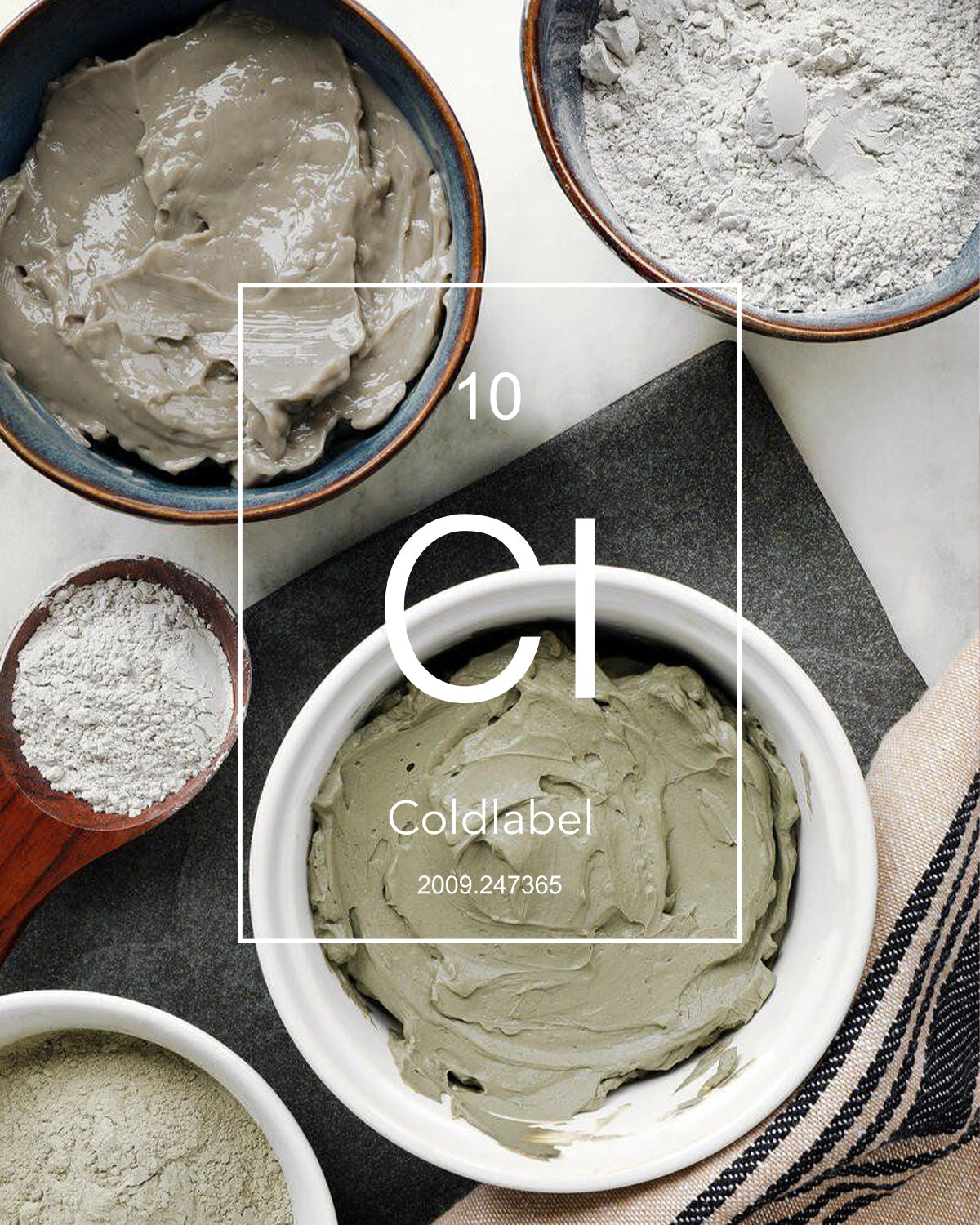
Clay Masks for Hair & Scalp Health Benefits
Clay & Lay: The Benefits of Clay Masks for Hair and Scalp Health
In professional barbering, the foundation of healthy hair is always the scalp. Long before conditioners, serums, or styling products come into play, the state of the scalp determines how hair grows, feels, and holds form. Clay masks—long used in traditional grooming and skin care—offer a disciplined, ingredient-driven way to reset both scalp and hair without excess.
For those who treat grooming as a ritual rather than a routine, clay masking represents a return to fundamentals: mineral-rich earth, water, time, and intention. This article breaks down how clay masks work, which clays matter most, and how to use them properly for long-term hair and scalp health.
Why Clay Masks Matter in Modern Grooming

Hair and scalp are constantly exposed to buildup. Styling products, natural oils, sweat, hard water minerals, and environmental debris accumulate over time. Conventional shampoos remove surface-level residue, but they don’t always address deeper congestion around the follicle.
Clay masks work differently. They cleanse through adsorption—binding to oil, impurities, and debris—rather than stripping indiscriminately. This makes them particularly useful for those seeking balance rather than aggressive cleansing.
From a barbershop perspective, clay treatments have traditionally been used to:
-
Clarify the scalp before precision cuts
-
Prepare hair for waves, fades, or close grooming
-
Restore balance to oily or congested scalps
-
Support consistent hair texture over time
How Clay Works on Hair and Scalp
Clay is composed of fine mineral particles formed over thousands of years. When hydrated, these particles carry a natural negative charge that attracts positively charged impurities like excess sebum and product residue.
Key Functional Benefits
-
Oil regulation without total depletion
-
Gentle exfoliation of dead skin cells
-
Improved scalp oxygenation by clearing follicle openings
-
Enhanced hair texture through mineral contact
Unlike harsh surfactants, clay respects the scalp’s natural barrier when used correctly.
Types of Clay Used in Hair and Scalp Masks
Not all clays perform the same function. Professional grooming relies on selecting the right clay for the right scalp condition.
Bentonite Clay
Often sourced from volcanic ash, bentonite is highly absorbent and ideal for:
-
Oily scalps
-
Heavy product users
-
Scalp detoxification phases
It expands when mixed with water, allowing it to reach into buildup without aggressive friction.
Rhassoul (Ghassoul) Clay
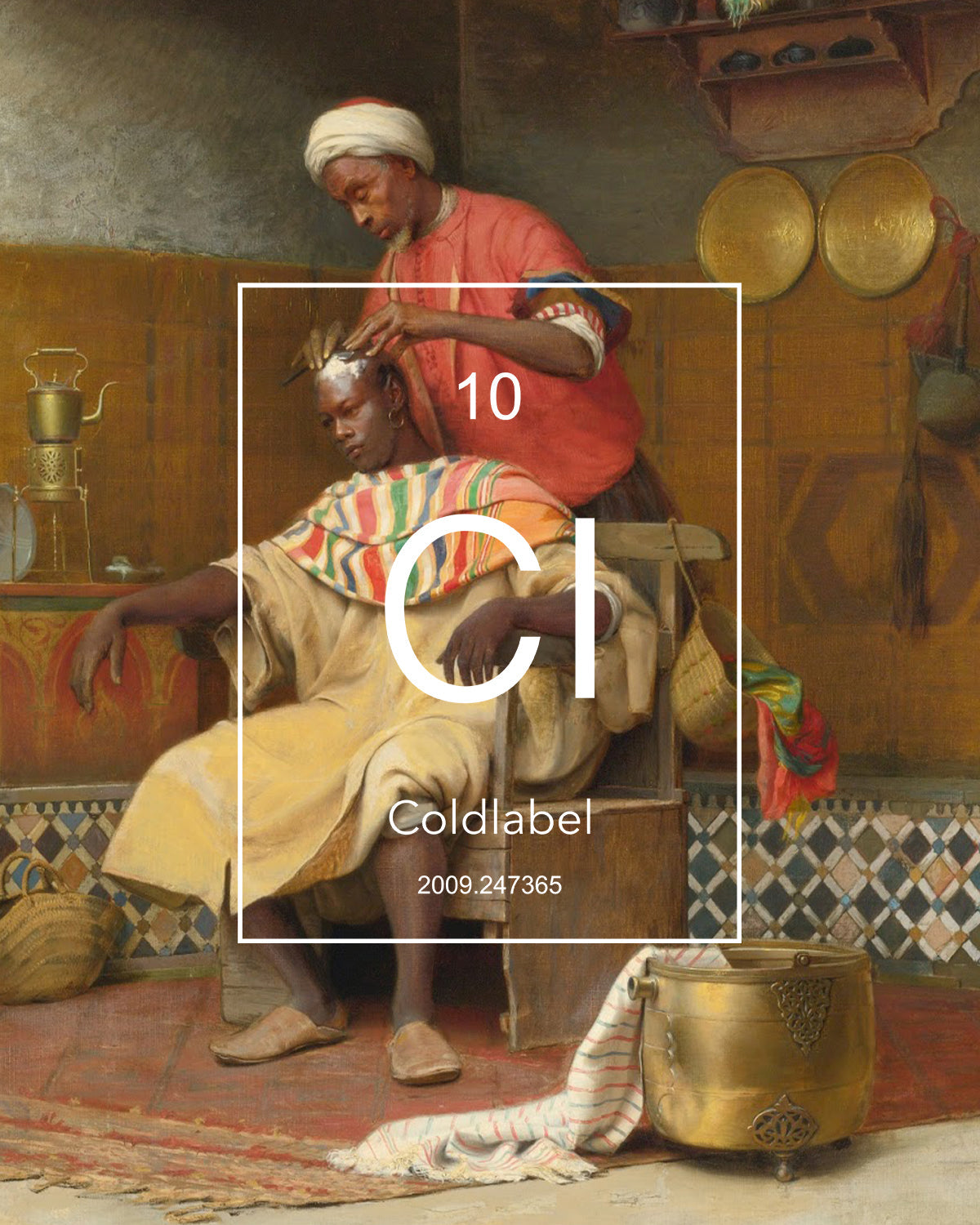
Traditionally used in North African grooming rituals, rhassoul is rich in magnesium and silica.
-
Supports hair softness and elasticity
-
Cleanses without disrupting curl or wave patterns
-
Well-suited for textured hair and beards
Kaolin Clay
Milder and less absorbent, kaolin works best for:
-
Sensitive or dry scalps
-
Frequent use
-
Maintenance between deeper treatments
Benefits of Clay Masks for Scalp Health

1. Scalp Detox Without Over-Drying
Clay removes excess oil and debris while leaving essential moisture intact when used properly. This balance is critical for preventing rebound oil production.
2. Reduced Flaking and Congestion
By lifting dead skin and clearing follicle openings, clay masks help reduce:
-
Scalp flaking caused by buildup
-
Itch associated with clogged pores
-
Uneven scalp texture
3. Support for Healthy Hair Growth Environment
While clay does not “stimulate growth” in a clinical sense, it creates the conditions necessary for healthy hair cycles by keeping follicles unobstructed.
Benefits of Clay Masks for Hair Performance
Hair itself is dead keratin, but its behavior is directly influenced by scalp health and surface condition.
Improved Texture and Control
Clay-treated hair often feels:
-
Fuller at the root
-
Less weighed down
-
More responsive to brushing and styling
This is particularly valuable for wave development, short cuts, and natural styles.
Mineral Reinforcement
Trace minerals in clay can temporarily bind to the hair shaft, supporting:
-
Improved grip for styling
-
Reduced limpness
-
Cleaner separation between strands
(Internal link opportunity: “360 wave grooming disciplines”)
Clay Masking as a Grooming Ritual
Clay masking is not a daily practice. It is a deliberate reset.
Recommended Frequency
-
Oily or high-product users: every 7–10 days
-
Normal scalp: every 2–3 weeks
-
Dry or sensitive scalp: monthly or as needed
Overuse can disrupt balance, which is why restraint is part of the ritual.
How to Use a Clay Mask Correctly

Step-by-Step Application
-
Start with dry or lightly damp hair
-
Mix clay with water (or a simple hydrosol) to a smooth paste
-
Section hair and apply directly to the scalp
-
Massage gently—no aggressive scrubbing
-
Allow to sit 10–15 minutes (do not let fully crack)
-
Rinse thoroughly with lukewarm water
Common Mistakes to Avoid
-
Letting clay dry completely and crack
-
Using metal tools with mineral clays
-
Applying too frequently
-
Skipping hydration afterward
Who Benefits Most from Clay Masking
Clay masks are particularly effective for:
-
Wave wearers maintaining clean pattern definition
-
Short haircuts requiring scalp clarity
-
Bearded individuals experiencing skin buildup beneath facial hair
-
Professionals exposed to sweat, dust, or heavy styling environments
(Internal link opportunity: “beard care routine”)
Clay Masks vs. Traditional Shampoos
| Aspect | Clay Mask | Shampoo |
|---|---|---|
| Cleansing Method | Adsorption | Detergent-based |
| Oil Control | Balanced | Often aggressive |
| Frequency | Occasional | Regular |
| Scalp Focus | High | Moderate |
Both have a place, but clay masks operate as a corrective tool rather than a daily cleanser.
Long-Term Grooming Health Perspective
Consistent grooming health isn’t built through constant intervention. It’s built through periodic correction and daily discipline. Clay masks serve as that corrective measure—removing what shouldn’t be there so the scalp can regulate itself naturally.
This aligns with a professional grooming philosophy rooted in restraint, craftsmanship, and respect for natural processes.
Frequently Asked Questions
Can clay masks cause dryness?
Used too often or left on too long, yes. Proper timing and frequency prevent this.
Are clay masks safe for textured or coarse hair?
Yes, especially mineral-rich clays like rhassoul when followed by hydration.
Should clay replace shampoo?
No. Clay complements shampooing; it does not replace routine cleansing.
Can clay masks help with waves?
They help maintain a clean scalp environment, which supports consistent wave formation.
Conclusion: Clay your hair and scalp as a Foundation, Not a Shortcut
Clay masking is not a trend-driven treatment. It is a foundational grooming practice grounded in mineral science and barbering tradition. When used with intention, it supports scalp balance, improves hair performance, and reinforces a disciplined approach to grooming.
For those committed to long-term grooming health, clay is not an add-on—it’s a return to first principles. Clear the foundation, respect the process, and let the craft speak for itself.