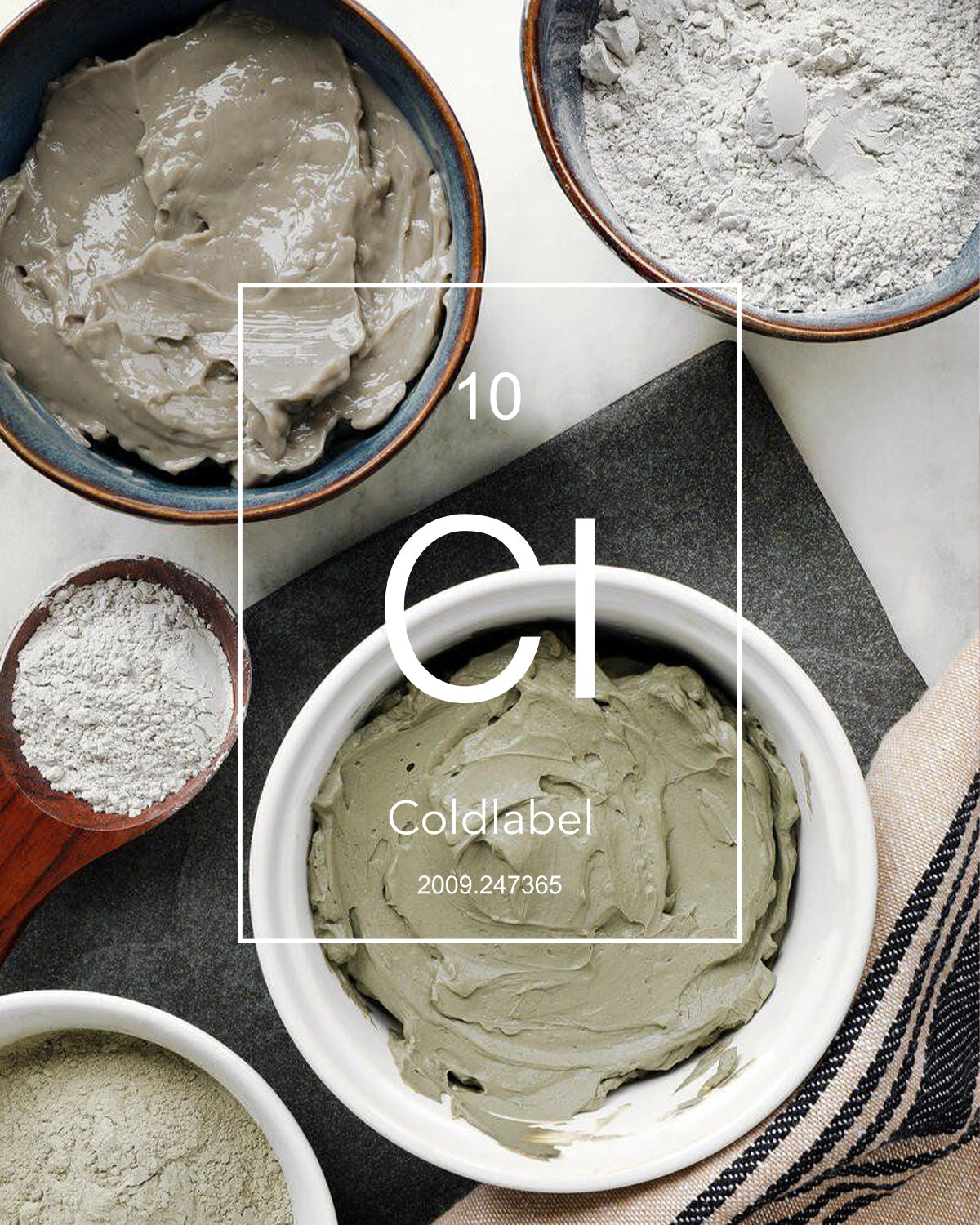
Clay, Black Soap & Shea Butter Regimen for Glass Skin
Why This Regimen Matters
“Glass skin” is often reduced to a visual trend—high shine, poreless appearance, surface glow. In professional grooming culture, that interpretation is incomplete. True glass skin is not about reflectivity alone. It is the visible result of balanced cleansing, controlled exfoliation, intact moisture barriers, and consistent nourishment over time.
The clay, black soap, facial oil, and shea butter regimen draws from heritage grooming practices refined by modern skin science. These materials were not developed for speed or hype. They were designed for longevity, resilience, and skin clarity—principles long respected in barbershops and apothecary traditions.
This guide explains how to use these four elements together as a ritual, not a shortcut, and how they support healthy, glass-like skin without compromising skin integrity.
Understanding Glass Skin From a Grooming Perspective
Glass skin is best understood as skin clarity plus skin strength.
Professionally healthy skin shows:
-
Even tone
-
Calm surface (low redness or irritation)
-
Soft light reflection, not oiliness
-
Fine texture due to hydration—not over-exfoliation
Achieving this requires restraint. Over-cleansing, aggressive acids, and constant product switching weaken the skin barrier. This regimen instead prioritizes cycle-based care: cleanse, purify, replenish, seal.
The Four-Pillar Regimen Explained
1. Clay: Deep Purification Without Stripping

Clay acts as a weekly corrective tool, not a daily cleanser. Mineral-rich clays bind to excess oil, debris, and environmental residue without dissolving the skin’s natural lipids when used correctly.
Why clay supports glass skin
-
Helps reduce congestion and dullness
-
Encourages smoother texture by clearing pores
-
Prepares skin to absorb moisture more effectively
Best practices
-
Use 1–2 times per week
-
Apply to damp skin, not dry
-
Rinse before fully cracking to avoid over-drying
Clay is about resetting the surface, not chasing tightness.
2. Black Soap: Functional Cleansing With Heritage Roots

Traditional black soap cleans differently than modern foaming cleansers. It works through gentle alkalinity and saponified oils, lifting impurities while respecting skin balance.
Why black soap works
-
Naturally removes buildup without synthetic surfactants
-
Offers mild exfoliation through plant ash content
-
Supports clearer tone over time, not overnight
How barbers approach black soap
-
Used sparingly
-
Lathered in hands, not rubbed aggressively on skin
-
Followed immediately by hydration
Black soap is most effective when treated as a tool, not a treatment.
3. Facial Oil: Rebuilding the Skin’s Lipid Language

Facial oils are often misunderstood as shine-enhancers. In reality, they act as barrier communicators, signaling the skin to stabilize oil production and retain hydration.
Why facial oils matter
-
Reinforce the skin’s natural lipid layer
-
Improve softness and elasticity
-
Reduce moisture loss after cleansing
Application principles
-
Always apply to slightly damp skin
-
Use 2–4 drops, pressed—not rubbed
-
Choose oils rich in linoleic and oleic balance
Oil is not the final step. It is the bridge between hydration and protection.
4. Shea Butter: Barrier Sealing and Skin Discipline

Shea butter is not a cosmetic trend. It is a structural ingredient, long valued for its ability to protect and restore compromised skin.
Why shea butter completes the regimen
-
Seals moisture without synthetic occlusives
-
Supports barrier repair and calmness
-
Softens skin while preventing dehydration
Professional usage
-
Use a pea-sized amount
-
Warm between hands before pressing into skin
-
Best applied at night or in dry climates
Shea butter teaches restraint. When used correctly, it leaves skin quiet, not glossy.
The Complete Ritual: Step-by-Step
Daily (Morning & Evening)
-
Cleanse lightly with black soap
-
Rinse thoroughly with lukewarm water
-
Apply facial oil to damp skin
-
Seal with a minimal layer of shea butter
Weekly
-
Replace one cleanse with a clay mask session
-
Follow clay with oil and shea butter without skipping steps
This rhythm allows the skin to adapt, strengthen, and normalize.
Common Mistakes That Prevent Glass Skin
-
Overusing clay or black soap daily
-
Applying oil to dry skin
-
Skipping a sealing step
-
Confusing shine with hydration
Glass skin fades quickly when discipline is replaced with excess.
Long-Term Benefits of This Regimen

When followed consistently, this regimen supports:
-
Improved texture and tone
-
Reduced irritation and breakouts
-
Stronger moisture retention
-
Calm, light-reflective skin
This is not instant gratification. It is earned clarity.
Frequently Asked Questions
Is this regimen suitable for sensitive skin?
Yes, when introduced gradually and used with restraint. Frequency matters more than quantity.
Can this replace modern skincare products?
It can form a complete foundation. Some may layer modern hydrators beneath oil, but the core structure remains sound.
How long before results are visible?
Most users notice improved calmness and softness within 2–3 weeks. Texture refinement follows consistency.
Conclusion: Glass Skin Is a Result of a Consistent Regimen
Glass skin is not achieved through novelty. It is revealed through discipline, material knowledge, and respect for the skin’s natural systems.
Clay clears.
Black soap cleanses.
Facial oil restores.
Shea butter protects.
Together, they form a grooming ritual rooted in heritage and validated by professional practice. For those who value long-term skin health over surface-level trends, this regimen offers clarity that lasts.