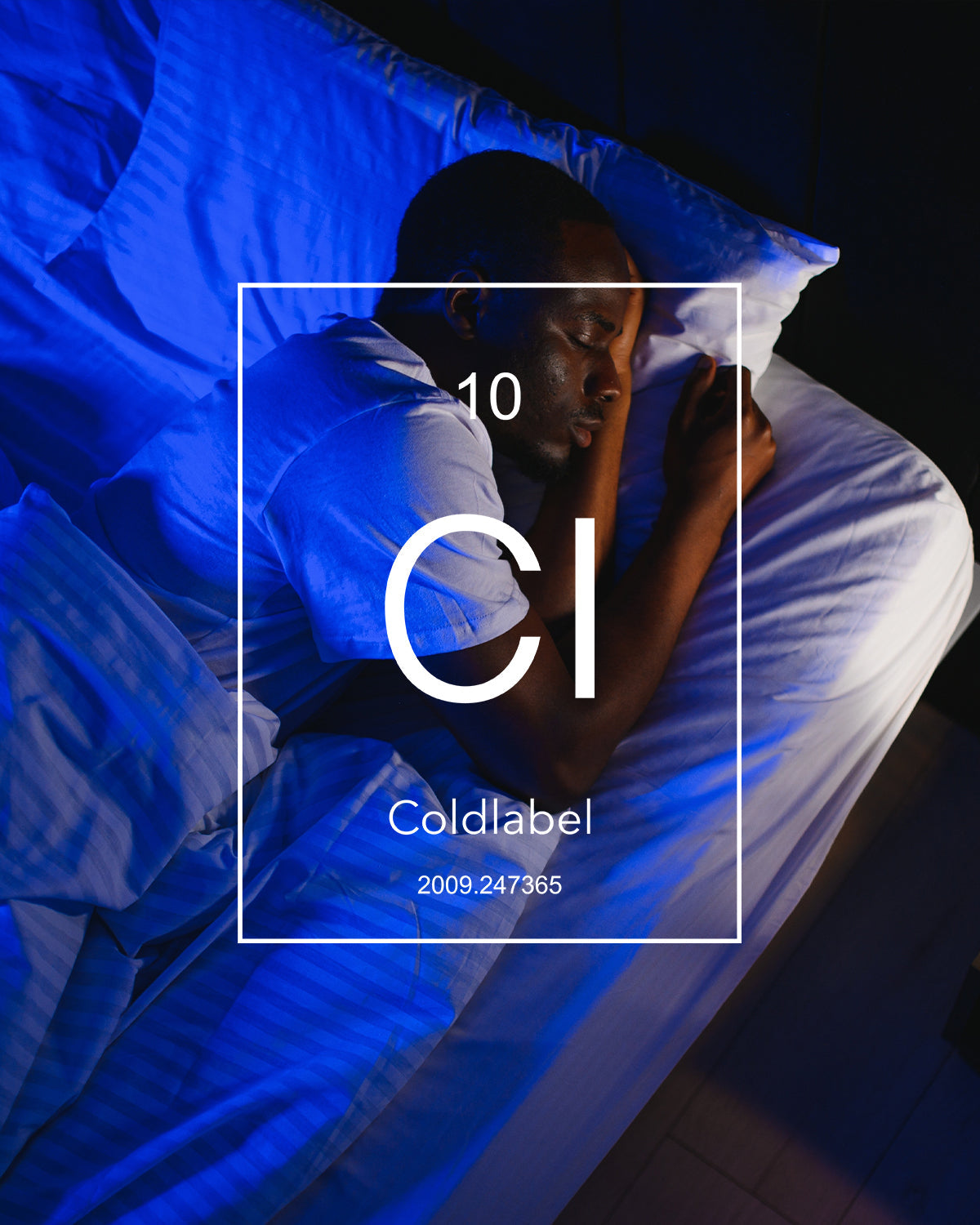
Quality Sleep’s Effect on Beauty and Wellness
Why Sleep Is the First Grooming Discipline
In grooming culture, results are often credited to products, tools, and technique. But beneath every clean shave, clear complexion, and healthy head of hair lies a quieter factor: quality sleep.
Sleep is not passive rest. It is active repair. For the skin, scalp, hair, and nervous system, sleep is the body’s primary window for renewal. When sleep quality suffers, grooming outcomes follow—dull skin, brittle hair, inflammation, premature aging, and weakened resilience. When sleep is protected, the body responds with clarity, balance, and strength.
For those who view grooming as a ritual rather than a routine, sleep is not optional. It is foundational.
The Science of Sleep and Physical Renewal
During deep sleep cycles, the body enters a state of restoration that cannot be replicated while awake.

What Happens While You Sleep
-
Cellular repair accelerates, supporting skin barrier function
-
Growth hormone is released, aiding tissue regeneration
-
Blood flow to the skin increases, improving tone and clarity
-
Inflammatory markers decrease, calming irritation and sensitivity
These processes directly affect how the face, scalp, and hair present themselves each day.
Sleep deprivation interrupts this cycle. Over time, the body shifts from repair to survival—prioritizing stress response over regeneration.
Sleep and Skin: Where Recovery Becomes Visible
The skin is often the first place poor sleep shows itself.
How Quality Sleep Supports Skin Health
-
Strengthens the skin barrier, reducing moisture loss
-
Improves elasticity and firmness through collagen maintenance
-
Supports even tone by regulating melanin activity
-
Helps regulate oil production and inflammation
Chronic sleep loss, on the other hand, is associated with increased transepidermal water loss, heightened sensitivity, and slower healing from irritation or shaving.
This is why even the most well-formulated skincare regimen cannot compensate for insufficient rest.
Hair and Scalp Health: Growth Is Governed at Night
Hair growth is cyclical and energy-dependent. Sleep quality influences both.
Sleep’s Role in Hair and Scalp Function
-
Supports the hair growth cycle by regulating hormones
-
Improves scalp circulation during nighttime repair
-
Reduces cortisol, which is linked to shedding and thinning
-
Aids protein synthesis essential for hair strength
Poor sleep elevates stress hormones that disrupt growth cycles and exacerbate scalp conditions such as dryness, itching, or excess oil production.
For those focused on long-term hair integrity—whether waves, locs, fades, or full growth—sleep is as essential as brushing or cleansing.
The Hormonal Balance Behind Grooming Outcomes
Sleep regulates the endocrine system, which in turn affects nearly every grooming-related function.

Key Hormones Influenced by Sleep
-
Cortisol: Chronic elevation accelerates aging and inflammation
-
Testosterone: Supports hair density, skin thickness, and vitality
-
Melatonin: Acts as an antioxidant that protects skin cells
Disrupted sleep skews this balance, creating a physiological environment where grooming issues persist despite proper care.
This is why professionals often see clients plateau—not because their regimen is wrong, but because recovery is compromised.
Inflammation, Stress, and the Face You Present
Stress does not remain abstract. It shows itself in posture, expression, and skin tone.
Quality sleep reduces systemic inflammation, which helps prevent:
-
Under-eye darkness and puffiness
-
Razor bumps and post-shave irritation
-
Flare-ups of acne or dermatitis
-
Facial tension and premature lines
From a barbershop perspective, a rested client holds a different presence—calmer skin, relaxed features, and improved response to grooming services.
Sleep as a Grooming Ritual, Not a Habit
Just as grooming is elevated through intention, sleep improves when treated as a ritual.
Principles of a Sleep Ritual
-
Consistency: Sleeping and waking at the same time daily
-
Environment: Dark, cool, and quiet conditions
-
Wind-down cues: Stretching, warm water, or light reading
-
Digital discipline: Limiting screens before bed
This approach mirrors traditional grooming practices—measured, deliberate, and rooted in respect for the body.
Supporting Sleep Through Grooming-Aligned Practices
While sleep cannot be replaced, grooming rituals can support better rest.

Evening Grooming Practices That Encourage Sleep
-
Warm showers to relax muscles and lower stress
-
Gentle scalp massage to improve circulation
-
Minimalist skincare focused on hydration and barrier repair
-
Natural oils or butters used sparingly to signal nighttime care
These actions help shift the nervous system from alertness to restoration.
Long-Term Beauty Is Built Overnight
Short-term fixes promise quick results. Sleep delivers durable ones.
Consistent quality sleep contributes to:
-
Slower visible aging
-
Improved grooming longevity between services
-
Better response to products and treatments
-
A composed, well-kept appearance that feels effortless
This is not cosmetic enhancement—it is biological alignment.
Conclusion: Sleep Is the Quiet Authority Behind Grooming Excellence
Quality sleep is not an accessory to grooming. It is its silent partner.
Products refine. Techniques sharpen. But sleep sustains. It governs recovery, balance, and the body’s ability to express health through skin, hair, and presence.
For those serious about beauty and wellness—not trends, but longevity—sleep deserves the same respect as craftsmanship, ingredients, and professional care.
Protect it. Structure it. Treat it as ritual.
Your grooming will reflect it.
FAQ: Quality Sleep and Grooming Health
How many hours of sleep support skin and hair health?
Most adults benefit from 7–9 hours of consistent, uninterrupted sleep. Quality and regularity matter as much as duration.
Can poor sleep cause hair loss?
Sleep deprivation may contribute indirectly by increasing stress hormones that disrupt hair growth cycles. It is one factor among many.
Does sleeping position affect skin?
Side and stomach sleeping can contribute to facial compression over time. Proper pillow support and nighttime skincare can help mitigate effects.
Can grooming products replace sleep?
No. Products support the skin and hair, but recovery and regeneration occur primarily during sleep.