Clay and Lay Method for Waves | Complete Routine Guide
Waves are built through discipline, consistency, and healthy hair care. For people with naturally curly or coily hair textures, wave training is less about forcing the hair and more about guiding it. One technique that has become increasingly popular among serious wavers is the Clay and Lay Method for Waves.
This method combines a natural clay treatment with a structured brushing and compression routine designed to train the hair pattern while improving scalp health.
Many wave routines rely heavily on thick pomades or heavy oils that can clog the scalp and weigh the hair down. Over time, this buildup can interfere with healthy growth and weaken the wave pattern. The Clay and Lay method offers a more balanced approach—using natural ingredients and disciplined grooming to improve wave formation without compromising scalp health.
This guide explains how the method works, why it supports stronger waves, and how to perform it correctly.

What Is the Clay and Lay Method for Waves?
The Clay and Lay Method is a wave training technique that uses natural clay treatments followed by brushing and compression to help shape the hair into a defined wave pattern.
The name comes from two steps:
-
Clay – applying a clay-based hair mask to cleanse, detox, and soften the hair
-
Lay – brushing and compressing the hair pattern while it dries
Clay helps reset the hair by removing buildup while improving hair manageability. Once the hair is clean and pliable, brushing and compression help guide the curls into a wave formation.
The result is often:
-
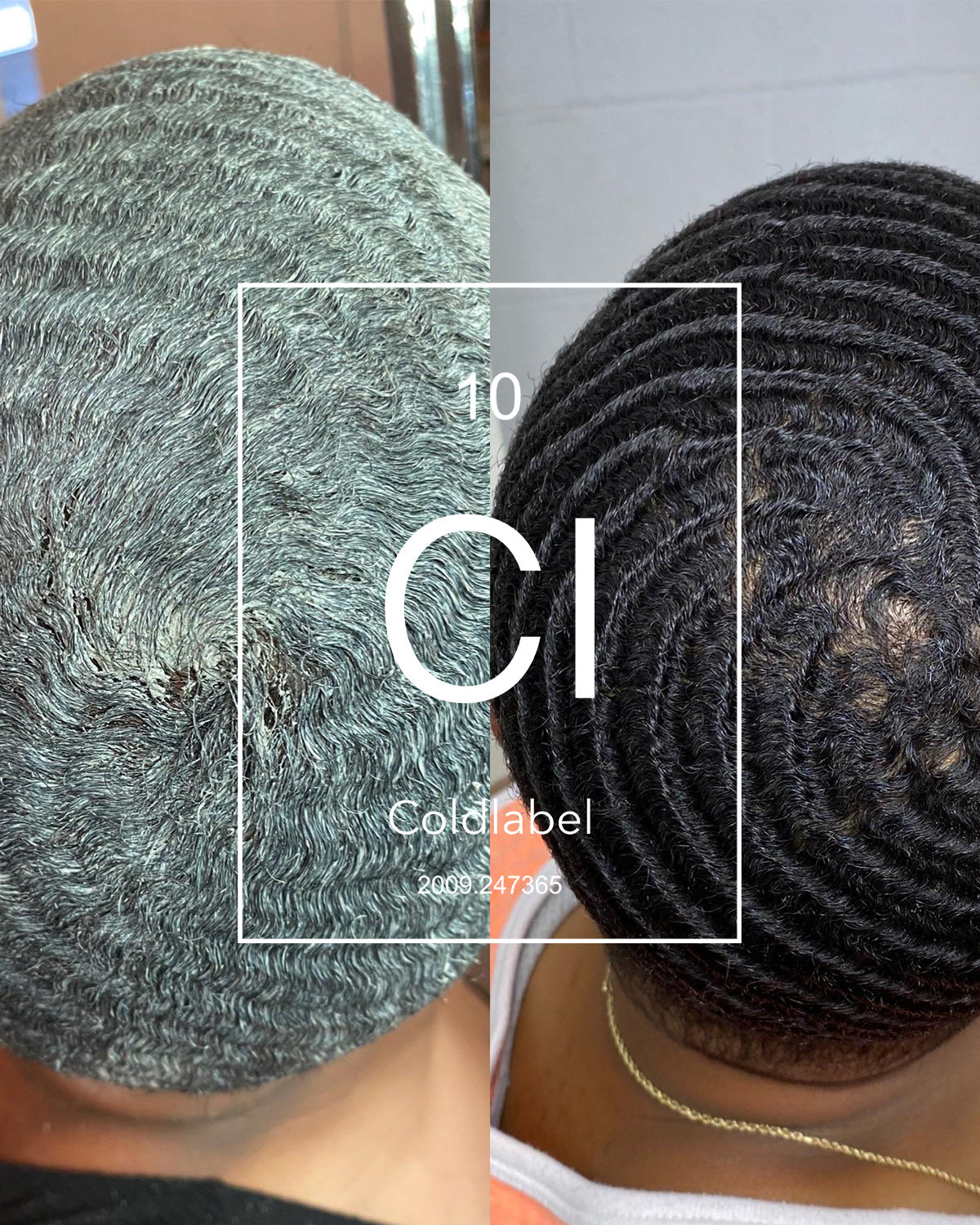
Better wave definition
-
Softer, healthier hair
-
Reduced product buildup
-
Improved scalp condition
For individuals serious about wave training, this method can become part of a long-term 360 waves routine focused on both appearance and hair health.

Why Clay Helps Train Wave Patterns
Natural clay treatments have long been used in hair and skin care because of their ability to absorb impurities and balance oil production.
For textured hair used in wave training, clay offers several benefits.
1. Removes Product Buildup
Pomades, oils, and styling products can accumulate on the scalp and hair over time. This buildup can interfere with the natural movement of the hair.
Clay helps:
-
Lift residue from the scalp
-
Clean the hair shaft
-
Restore natural texture
This creates a cleaner foundation for brushing and training waves.

2. Softens and Defines Natural Curl Patterns
Waves are simply trained curl patterns. The more clearly defined the curls are, the easier they are to guide into waves.
Clay treatments help by:
-
Softening the hair cuticle
-
Improving curl clumping
-
Increasing hair manageability
This makes the brushing process more effective.
3. Supports Scalp Health
Healthy waves start at the scalp.
Many natural clays contain minerals that can help balance the scalp environment and reduce excess oil or residue.
A healthy scalp supports:
-
consistent hair growth
-
stronger hair strands
-
improved wave pattern development
For those focused on natural wave hair care, this is a significant advantage.

The Clay and Lay Routine: Step-by-Step
The Clay and Lay Method for Waves works best when performed during a focused grooming session.
Step 1: Start With Clean, Damp Hair
Begin by washing your hair with a gentle sulfate-free cleanser.
This removes surface oils and prepares the hair for the clay treatment.
Hair should be:
-
clean
-
damp
-
free of heavy styling products
Step 2: Apply the Clay Treatment
Use a natural clay mask designed for hair and scalp care.
Common clays used include:
-
Bentonite clay
-
Rhassoul clay
-
Kaolin clay
Apply the clay evenly throughout the hair, working from root to tip.
Ensure the scalp is lightly covered as well.
Allow the clay to sit for 10–20 minutes while the hair absorbs moisture and minerals.

Step 3: Begin the Brushing Process
While the clay is still in the hair, begin brushing using a soft or medium wave brush.
Brush in the direction of your wave pattern.
Typical directions include:
-
forward from the crown
-
diagonal from the sides
-
downward at the back
Brushing helps begin shaping the hair while the clay softens the strands.
Spend 10–15 minutes brushing to reinforce the pattern.
Step 4: Rinse the Clay Thoroughly
Rinse the clay completely with lukewarm water.
Do not use hot water, which can dry out the hair.
At this stage the hair should feel:
-
clean
-
soft
-
more responsive to brushing

Step 5: Apply a Light Styling Product
After rinsing, apply a light pomade or natural butter-based styling product.
Use a small amount—just enough to help hold the pattern.
Heavy products are unnecessary after a clay treatment because the hair is already highly responsive.

Step 6: Brush Again
Brush the hair for another 10–15 minutes to reinforce the wave pattern.
Consistency is essential.
This step is where the “lay” portion of the method begins.
Step 7: Compression (The Lay)
Compression helps lock the hair into place while it dries.
This can be done with:
-
a durag
-
a wave cap
-
or a compression cap
Wear the compression for several hours or overnight.
This step helps train the hair to remain in the wave pattern.

How Often Should You Use the Clay and Lay Method?
The Clay and Lay method is best used once every 1–2 weeks.
Using clay too frequently may dry the hair, especially for individuals with coarse or tightly coiled hair.
A balanced routine might look like:
-
Daily brushing
-
Regular moisturizing
-
Clay and Lay session every 7–14 days
This keeps the hair healthy while maintaining consistent wave training.
Common Mistakes to Avoid
Even a well-designed wave routine can be disrupted by small mistakes.
Using Too Much Product
Heavy pomades can weigh the hair down and clog the scalp.
Healthy waves require:
-
clean hair
-
breathable scalp
-
minimal buildup
Overusing Clay Treatments
Clay is powerful but should be used thoughtfully.
Too much clay can:
-
dry the hair
-
make the scalp tight
-
weaken hair elasticity
Moderation is key.
Inconsistent Brushing
Brushing remains the most important factor in wave development.
Clay enhances the routine, but the wave pattern is still built through consistent brushing.
The Philosophy Behind the Clay and Lay Method
Beyond technique, the Clay and Lay method reflects a broader approach to grooming.
Waves are not created by shortcuts or excessive product use. They are the result of intentional care and repeated discipline.
This aligns with a grooming philosophy that values:
-
clean ingredients
-
scalp health
-
patient training of the hair
-
craftsmanship over trends
In this sense, wave training becomes less about styling and more about ritual.
A focused grooming session—brushing, cleansing, compressing—becomes an investment in long-term hair health.

Conclusion
The Clay and Lay Method for Waves offers a thoughtful alternative to product-heavy wave routines.
By combining natural clay treatments, structured brushing, and compression, the method helps train waves while maintaining healthy hair and scalp conditions.
Key benefits include:
-
cleaner hair and scalp
-
improved curl definition
-
stronger wave formation
-
reduced product buildup
For individuals committed to building premium waves, the Clay and Lay method reinforces a simple truth: healthy hair forms better waves.
Consistency, patience, and clean grooming practices remain the foundation of any strong wave pattern.

FAQ
What does the clay and lay method do for waves?
The Clay and Lay method cleans the hair, softens curls, and helps guide the wave pattern through brushing and compression. This combination supports stronger wave definition.
What type of clay is best for waves?
Common clays used for hair care include bentonite, rhassoul, and kaolin. These clays help remove buildup while improving hair softness and manageability.
How often should you do the clay and lay method?
Most people benefit from performing the method every 1–2 weeks, depending on hair dryness and product buildup.
Can the clay and lay method help beginners get waves?
Yes. Because the method resets the hair and enhances curl definition, it can help beginners establish a wave pattern more effectively.