Craft Over Convenience: Lessons from Traditional Barbering
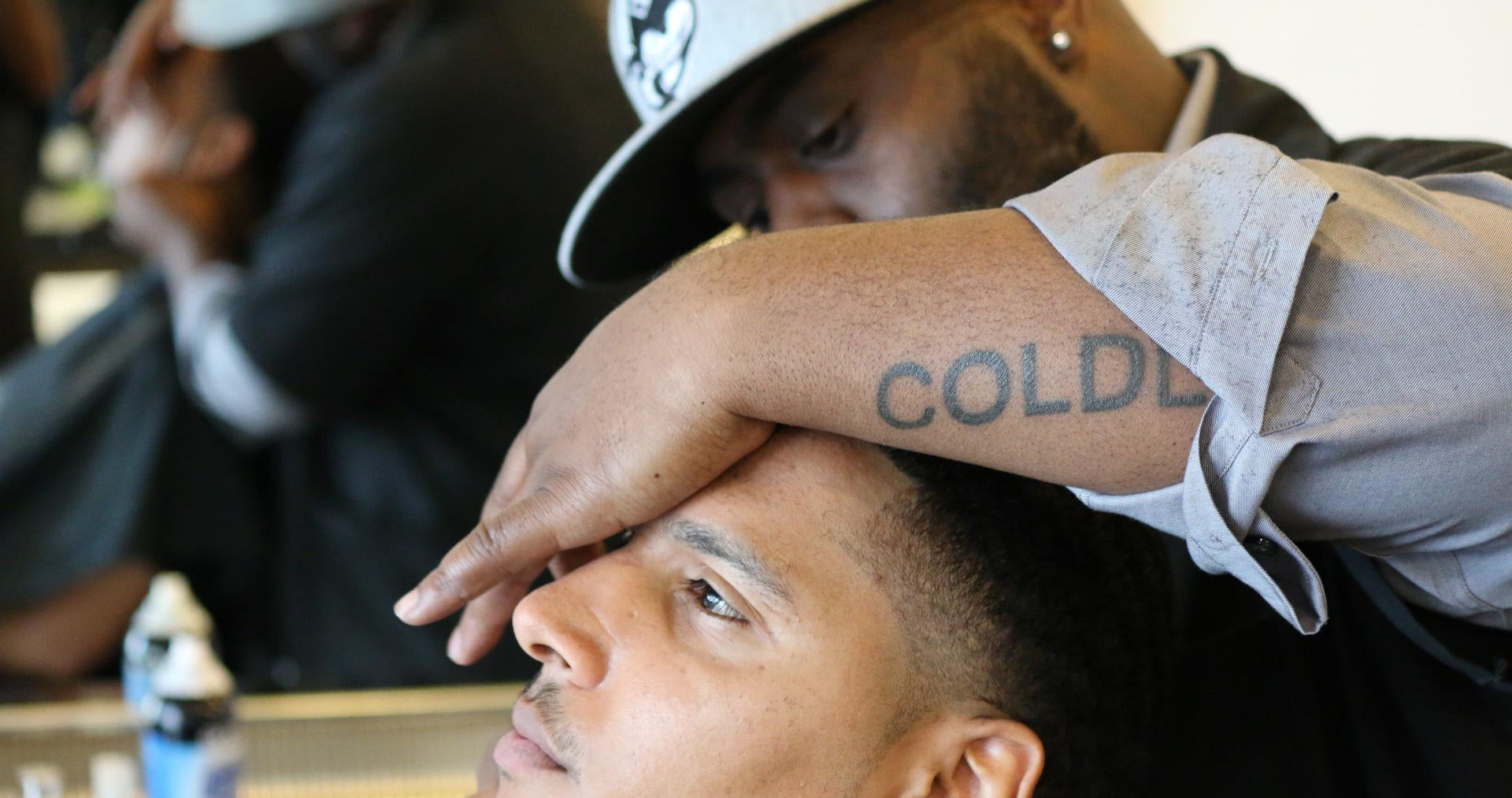
In an era of speed, shortcuts, and disposable solutions, traditional barbering stands as a quiet counterpoint. Long before grooming became automated or product-driven, it was a practiced craft—rooted in skill, patience, and responsibility to the client. The barbershop was not built for convenience; it was built for results that lasted.
Understanding the lessons of traditional barbering isn’t about nostalgia. It’s about recovering principles that still matter for long-term grooming health, professional standards, and personal discipline. When craft leads and convenience follows, grooming becomes a practice—not a compromise.

Why Craft Still Matters in Modern Grooming
Traditional barbers worked within constraints that demanded precision. Tools were simple. Time was earned, not rushed. Results depended entirely on the practitioner’s knowledge of hair growth, scalp health, and structure—not on shortcuts or novelty products.
Today, convenience often prioritizes:
-
Speed over accuracy
-
Volume over quality
-
Immediate appearance over long-term health
Craft barbering reverses those priorities.
When grooming is treated as a skilled practice rather than a quick fix, outcomes improve—not just cosmetically, but biologically. Hair behaves better. Skin recovers faster. Maintenance becomes easier because the foundation is sound.
The Traditional Barbershop Philosophy
Ritual Over Routine
Routine is mechanical. Ritual is intentional.
Traditional barbering followed a ritualized sequence: consultation, preparation, execution, and finish. Each step served a purpose, reinforcing discipline and consistency.
Key elements of barbershop ritual included:
-
Proper cleansing before cutting or shaving
-
Structured sectioning and grain-aware cutting
-
Finishing techniques that respected scalp balance
This approach reduced irritation, breakage, and uneven growth patterns—issues that still plague modern grooming when steps are skipped.

Knowledge Over Tools
The classic barber’s value wasn’t the chair or the razor—it was knowledge.
A skilled barber understood:
-
Hair density and directional growth
-
Scalp sensitivity and oil balance
-
Facial structure and proportion
Tools extended that knowledge; they never replaced it.
Modern grooming often inverts this relationship, relying on product claims or devices to compensate for lack of understanding. Traditional barbering reminds us that no tool can outperform informed hands.
Craftsmanship as a Health Practice
Long-Term Hair and Scalp Health
Traditional barbering prioritized longevity. Hair was cut and treated to grow back stronger, not just look good immediately.
Practices that supported long-term health included:
-
Conservative cutting to prevent stress on follicles
-
Avoidance of excessive heat or friction
-
Regular scalp cleansing to maintain circulation
These principles align with modern trichology: healthy hair begins at the scalp, and repeated trauma—whether mechanical or chemical—accumulates over time.
Skin Respect and Barrier Integrity
Classic shaving and grooming methods protected the skin barrier. Preparation was slow for a reason—hydration softened hair, reduced resistance, and minimized micro-injury.
Traditional methods emphasized:
-
Warm water preparation
-
Lubrication through oils or soaps
-
Sharp tools used with controlled pressure
This reduced inflammation and supported natural skin repair cycles—something aggressive modern routines often undermine.

Convenience Culture and Its Trade-Offs
Convenience isn’t inherently wrong—but when it becomes the primary goal, compromises follow.
Common trade-offs include:
-
Over-washing that strips protective oils
-
Multi-use products that do nothing well
-
Frequent style changes that stress hair and scalp
Traditional barbering teaches restraint. Fewer interventions, applied correctly, outperform constant adjustment.
Coldlabel’s philosophy reflects this restraint—favoring fewer, better ingredients and intentional use over excess.
Professional Standards Still Apply at Home
One of the most overlooked lessons of barbering is accountability. A barber’s reputation depended on consistency and results. That same standard can—and should—apply to personal grooming.
Applying professional principles at home means:
-
Understanding your hair’s growth pattern
-
Choosing products that support—not override—natural balance
-
Maintaining tools and routines with discipline
This shift reframes grooming from consumption to stewardship.

Craft as a Form of Self-Respect
Traditional barbers didn’t rush clients through the chair. Time was part of the service because appearance was tied to dignity.
Well-executed grooming:
-
Reinforces personal discipline
-
Signals care without excess
-
Creates order through consistency
These outcomes aren’t superficial. They shape posture, confidence, and daily behavior. Craft barbering understood this long before modern psychology caught up.
Lessons Worth Preserving
Traditional barbering offers a clear framework for modern grooming:
-
Skill before speed
-
Ritual before routine
-
Health before trends
-
Longevity before novelty
These principles scale—from professional shops to personal bathrooms—without losing relevance.

Conclusion: Returning to Craft
Craft over convenience isn’t a rejection of modern life. It’s a correction.
Traditional barbering reminds us that grooming works best when guided by knowledge, patience, and respect for the body. When we prioritize long-term health over immediate results, grooming becomes sustainable—and quietly powerful.
For those who care about their appearance, their health, and the standards they uphold, craft isn’t slower. It’s smarter.