The Apothecary Origins of Modern Barbering
Why Barbering’s Roots Matter More Than Ever
Modern barbering is often framed as style, speed, and surface-level grooming. But beneath the clippers and chairs lies a deeper lineage—one rooted in apothecaries, herbal medicine, and hands-on care for skin, scalp, and health. Understanding the apothecary origins of barbering reframes grooming as a disciplined craft rather than a cosmetic shortcut.
For today’s barbers and serious consumers, this history matters. It explains why barbering has always been about treatment, not trends; ritual, not routine; and long-term health, not quick fixes. The modern return to ingredient literacy, scalp-first care, and intentional grooming mirrors practices that barbers once embodied by necessity.

Barber-Surgeons and the Apothecary Tradition
When Barbers Were Medical Practitioners
In medieval Europe, barbers were not merely hair cutters—they were barber-surgeons. Operating alongside apothecaries, they performed bloodletting, wound care, tooth extractions, and basic medical treatments. Their shops functioned as community health centers long before modern medicine became institutionalized.
This dual role demanded:
-
Knowledge of herbs, poultices, oils, and tinctures
-
Understanding skin integrity and wound healing
-
Manual skill and hygiene discipline
The iconic barber pole reflects this era: red for blood, white for bandages, and blue (added later) symbolizing veins. Barbering’s visual identity is inseparable from its medicinal past.
Apothecaries as the Foundation of Grooming Knowledge
Apothecaries supplied barbers with:
-
Plant-based oils for skin protection
-
Alcoholic tinctures for antiseptic use
-
Botanical infusions for inflammation and irritation
These were not luxury products—they were functional tools grounded in observation and experience. The barber’s chair was a place of care, not decoration.

From Herbal Remedies to Grooming Rituals
Early Grooming Was Scalp-First by Design
Hair grooming historically began with the scalp because it had to. Infection, parasites, and skin disease were constant risks. Oils and washes were chosen for their protective properties, not scent or shine.
Common apothecary-aligned ingredients included:
-
Olive and castor oils for barrier protection
-
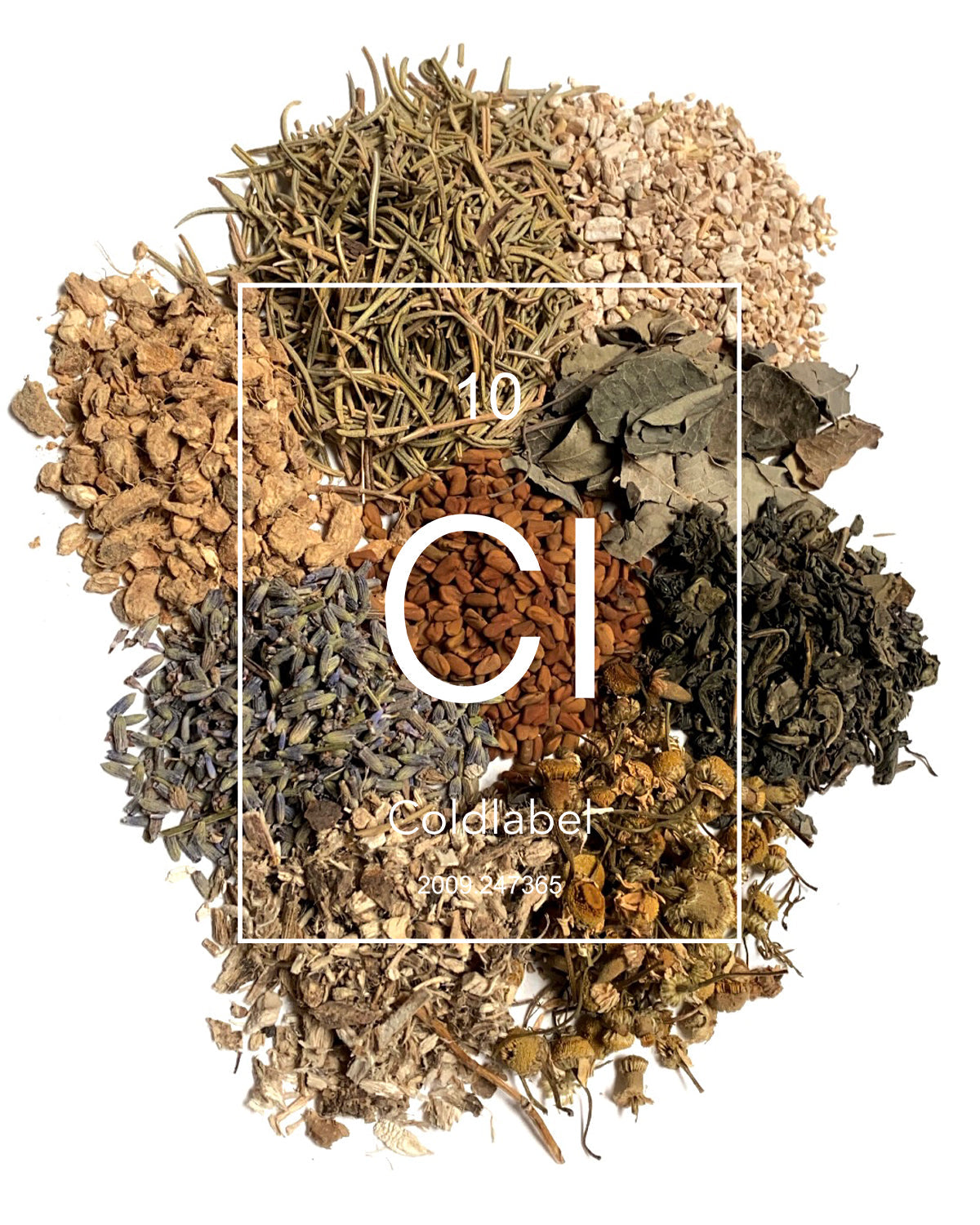
Herbal infusions like rosemary and sage for circulation
-
Alcohol-based tonics for cleansing and stimulation
These practices align closely with modern scalp-first grooming principles—supporting skin health so hair can thrive naturally.

Ritual Over Convenience
Grooming in the apothecary era followed deliberate steps:
-
Cleansing the skin and scalp
-
Applying oils or tonics with massage
-
Trimming or shaving with intention
-
Finishing with protective balms
This ritualized approach reinforced consistency, patience, and respect for the body—values increasingly absent in modern disposable grooming culture.
The Shift Away From Apothecary Knowledge
Industrialization and the Loss of Craft
The 19th and 20th centuries brought mass production, synthetic ingredients, and convenience-driven grooming products. Barbering split from medicine, and much of its ingredient literacy was replaced by branding and speed.
Key losses included:
-
Understanding how ingredients interact with skin and scalp
-
Individualized care based on hair and skin condition
-
Long-term grooming health as a professional priority
While industrialization improved accessibility, it diluted barbering’s depth and authority.

Why Trends Replaced Treatment
As grooming became commercialized, trends began driving product development. Short-term visual results took precedence over skin integrity, barrier health, and cumulative damage.
This shift explains why many modern grooming issues—dry scalp, breakage, irritation—stem from neglecting fundamentals rather than lack of products.
The Modern Return to Apothecary Barbering
Ingredient Literacy Is Back
Today’s serious barbers and consumers are revisiting apothecary principles:
-
Fewer ingredients with clearer functions
-
Plant-based oils and extracts with proven skin compatibility
-
Avoidance of unnecessary fillers and harsh synthetics
This mirrors historical barbering, where every substance served a purpose.
Craftsmanship Over Excess
Modern apothecary-inspired barbering emphasizes:
-
Small-batch formulations
-
Measured application rather than overuse
-
Consistency over novelty
This approach protects the scalp’s microbiome, supports hair longevity, and builds trust between barber and client.

Apothecary Principles in Beard and Hair Care
Beard Care as Skin Care
Historically, beards were treated as extensions of facial skin. Oils and balms were designed to:
-
Prevent dryness and flaking
-
Protect the skin barrier beneath facial hair
-
Reduce irritation from environmental exposure
This perspective remains essential today. Beard health begins at the skin level, not the hair shaft.
Long-Term Grooming Health
Apothecary-informed grooming prioritizes outcomes measured in years, not days:
-
Reduced inflammation
-
Improved elasticity and hydration
-
Stronger, more resilient hair growth
This long view aligns with professional barbering standards rather than consumer fads.
Why This History Still Matters Today
Understanding barbering’s apothecary origins restores authority to the profession. It reminds us that grooming is not superficial—it is physical maintenance, self-respect, and discipline expressed through care.
For modern brands and practitioners, this lineage demands responsibility:
-
Educate rather than oversell
-
Choose ingredients intentionally
-
Build rituals that support health, not dependency
Barbering’s future depends on remembering where it began.

Conclusion: Restoring the Barber as a Craftsman
The apothecary origins of modern barbering reveal a profession grounded in knowledge, restraint, and service. Before trends and marketing, barbers were trusted custodians of skin, scalp, and self-presentation.
Reclaiming this heritage means returning to:
-
Ritual over routine
-
Craftsmanship over convenience
-
Long-term grooming health over short-term appearance
For those who take grooming seriously—barbers and clients alike—the apothecary tradition offers a blueprint for doing it right.
Frequently Asked Questions
We're barbers really medical professionals?
Yes. Historically, barbers performed minor surgical and medical procedures and worked closely with apothecaries for remedies and treatments.
Why are apothecary ingredients relevant today?
Many plant-based oils and extracts are still among the most skin-compatible grooming ingredients when used correctly and minimally.
How does this history affect modern grooming choices?
It encourages fewer products, better ingredients, and consistent rituals focused on skin and scalp health rather than trends.