How to Maintain a Sharp Lineup Without Damaging Your Hairline

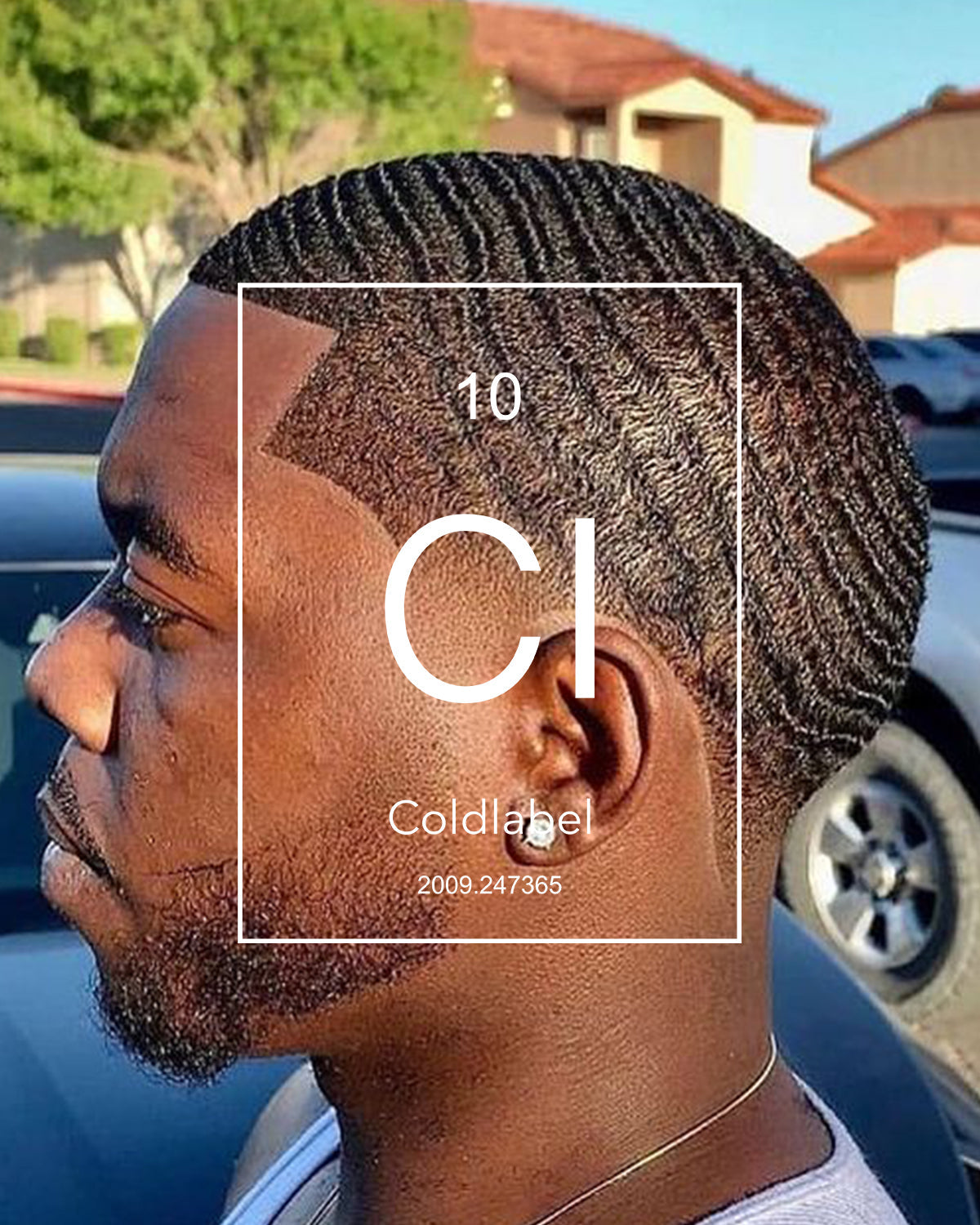
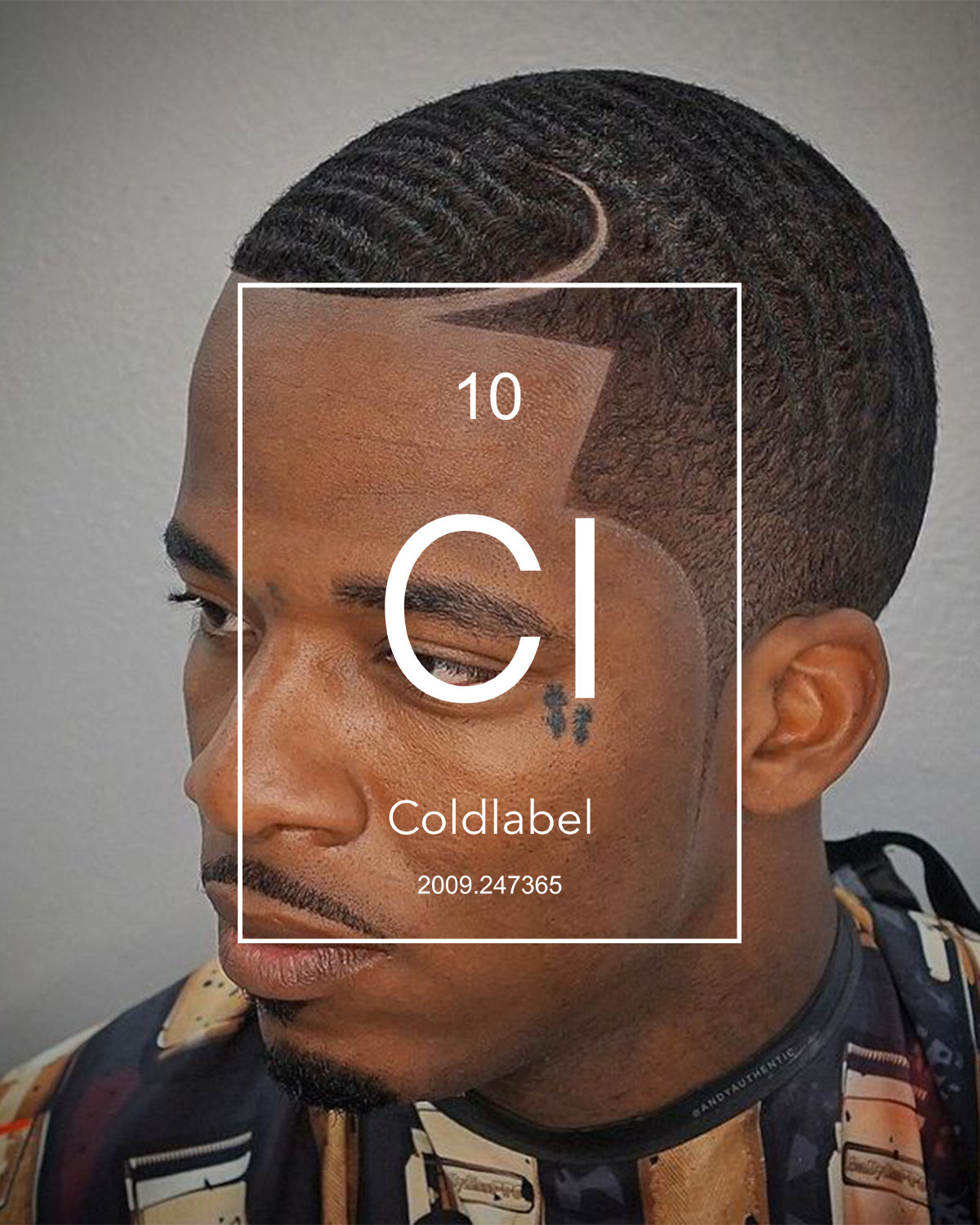
A sharp lineup can elevate an entire haircut. It frames the face, defines the hairline, and gives structure to curls, coils, waves, and thick textured hair. But there is a common problem: many people sacrifice long-term hairline health for short-term sharpness.
Too much pressure. Improper tools. Harsh products. Frequent edging. Over time, these habits can thin the hairline, inflame the scalp, and create chronic razor bumps or ingrown hairs.
If you wear natural hair — especially curly, coily, wavy, or thick textures — your hairline is already more vulnerable to tension and breakage. Maintaining a sharp lineup should enhance your grooming ritual, not undermine your scalp health.
This guide is for anyone who wants a clean, precise edge while protecting their natural hairline and practicing a clean grooming routine built on long-term care.
Why a Sharp Lineup Matters — Beyond Aesthetics
A well-executed hairline lineup does more than look sharp.
It:
-
Frames facial features
-
Creates symmetry
-
Enhances waves, fades, afros, twists, and loc styles
-
Signals precision and intentional grooming
For textured hair, structure is essential. Coily and curly patterns expand outward. A clean edge provides contrast and definition.
But precision must never override biology. The hairline contains finer, more delicate strands. Aggressive edging can lead to:
-
Traction-related thinning
-
Chronic inflammation
-
Razor bumps (pseudofolliculitis)
-
Hyperpigmentation along the edge
A true sharp edge haircut respects both form and follicle.

Understanding the Hairline and Scalp Biology
Before discussing technique, it helps to understand the foundation.
The Hairline Is Structurally Different
The front hairline often consists of:
-
Finer strands
-
Slower-growing hairs
-
More sensitivity to tension
-
Greater exposure to sun and friction
Repeated over-cutting weakens these strands. When clippers dig into the root repeatedly, hair can gradually recede.
The Scalp Is Living Tissue
Your scalp contains:
-
Sebaceous glands producing protective oil
-
A microbiome of beneficial bacteria
-
Hair follicles anchored in dermal tissue

When harsh alcohol-based sprays or unclean blades disrupt the skin barrier, irritation follows. Inflammation around follicles can temporarily stunt growth and contribute to long-term thinning.
Maintaining a sharp lineup requires preserving the integrity of the scalp.
The Right Frequency for a Sharp Lineup
One of the most common mistakes is edging too often.
For most textured hair types:
-
Every 7–14 days is reasonable
-
Less frequent is better if hair grows slowly
-
Daily self-touchups should be avoided
Over-lining weakens the same follicles repeatedly. The result is gradual push-back of the natural hairline.
If you are growing waves, curls, or maintaining thick coily styles, patience produces stronger density than constant sharpening.

How to Maintain a Sharp Lineup Without Damage
1. Start With Clean, Hydrated Hair
A healthy lineup begins before the clippers.
Prioritize:
-
Sulfate-free cleansers
-
Balanced scalp hydration
-
Lightweight natural oils (jojoba, grapeseed)
-
Minimal product buildup
Dry, brittle hair breaks more easily during edging. Hydrated strands resist snapping.
A clean grooming routine supports structure from the root.
2. Use Proper Tools
Precision depends on quality tools.
Choose:
-
Professional-grade trimmers
-
Sharp, sanitized blades
-
Zero-gap only when necessary and handled by skilled hands
Dull blades tug at the hairline. Tugging causes micro-trauma to follicles.
If lining yourself at home:
-
Avoid pressing hard
-
Let the blade glide lightly
-
Work in natural light
Pressure, not the blade, causes damage.

3. Follow the Natural Hairline
A sharp lineup should enhance your natural growth pattern — not redraw it.
Avoid:
-
Pushing the hairline back for artificial sharpness
-
Creating overly deep corners
-
Squaring rounded growth patterns aggressively
Once hair is removed repeatedly beyond its natural boundary, it often grows back thinner — or not at all.
Respecting your natural shape ensures longevity.
4. Protect the Skin Barrier
After edging:
-
Apply a gentle, alcohol-free toner
-
Use soothing ingredients like aloe vera or witch hazel (alcohol-free)
-
Follow with a lightweight, non-comedogenic oil
Avoid heavily fragranced aftershaves. Many contain high alcohol content, which dries and inflames the scalp.
A calm scalp heals quickly. An irritated scalp struggles to maintain density.
5. Prevent Razor Bumps Along the Hairline
Curly and coily hair types are more prone to ingrown hairs because strands naturally curl back toward the skin.
To reduce bumps:
-
Do not shave below skin level
-
Avoid excessive zero-gapping
-
Exfoliate gently once weekly
-
Keep pores clear with clean formulations
When inflammation is reduced, the sharp lineup looks cleaner and lasts longer.
Ingredients to Look For in Natural Hairline Care
If you care about clean grooming ingredients, pay attention to what touches your edge.
Supportive ingredients include:
-
Jojoba oil – closely resembles natural sebum
-
Aloe vera – soothes inflammation
-
Tea tree oil (properly diluted) – supports scalp clarity
-
Glycerin – helps maintain moisture balance
Avoid frequent exposure to:
-
High-alcohol aftershaves
-
Synthetic fragrance-heavy sprays
-
Petroleum-heavy products that clog follicles
Healthy follicles grow stronger edges.


Special Considerations for Waves, Curls, and Coils
For 360 Waves
Frequent brushing increases tension at the hairline. Combine brushing discipline with:
-
Edge hydration
-
Controlled lineup frequency
-
Gentle compression from wave caps (not overly tight)
For Coily or Thick Hair
Coarse strands are strong, but the hairline remains delicate. Maintain:
-
Moisture retention
-
Reduced friction from hats
-
Minimal corner sculpting
For Locs and Twists
Avoid tension styles pulling the edge tightly. Traction combined with repeated lineups accelerates thinning.
The Psychological Impact of a Sharp Edge
A clean edge communicates order and discipline. In grooming culture, it reflects self-respect and attention to detail.
But long-term confidence comes from density and health — not extreme sharpness.
A sustainable sharp lineup balances presentation and preservation.

When to Stop Lining Up
If you notice:
-
Thinning corners
-
Persistent redness
-
Receding shape
-
Chronic bumps
Pause.
Focus on scalp recovery for several weeks. Nourish the follicles. Reduce manipulation. Sometimes restoration requires restraint.
Luxury in grooming is often restraint.
Conclusion: Precision Without Compromise
A sharp lineup enhances your haircut — but only when executed with respect for scalp health and natural hairline care.
The key principles are simple:
-
Do not over-line
-
Follow your natural growth pattern
-
Use clean grooming ingredients
-
Protect the scalp barrier
-
Prioritize long-term density over short-term sharpness
Healthy hair is the foundation. Precision is the refinement.
If you maintain your scalp with intention, your sharp lineup will remain defined, balanced, and sustainable for years — without sacrificing the integrity of your natural hair.
FAQ
Does a sharp lineup damage your hairline?
It can if done too frequently, pushed back aggressively, or performed with excessive pressure. Proper technique and spacing appointments protect follicles.
How often should I get a lineup?
Most people with textured hair should wait 7–14 days. Less frequent lining preserves density.
How do I prevent razor bumps on my hairline?
Avoid shaving below skin level, exfoliate gently, and use soothing, alcohol-free products.
Can natural oils help maintain a clean hairline edge?
Yes. Lightweight oils like jojoba help protect the scalp barrier and reduce dryness without clogging follicles.