Wolfing for Waves: Grow Hair, Refine Pattern
In wave culture, patience separates surface shine from real definition. The practice known as wolfing—intentionally growing your hair out longer between cuts—remains one of the most effective ways to develop deeper, more refined waves.
Despite the name, wolfing is not about neglect. It is controlled growth. It is discipline under length. When approached correctly, wolfing strengthens the wave pattern, improves connection, and produces a more uniform finish once the hair is cut back down.
For serious wavers—and barbers who guide them—understanding wolfing is foundational to achieving refined waves.
What Is Wolfing for Waves?
Wolfing for waves is the intentional practice of extending time between haircuts to allow the hair to grow longer than your usual wave length.
Instead of cutting every 1–2 weeks, a waver may extend to:
-
4 weeks
-
6 weeks
-
8 weeks
-
Sometimes longer, depending on hair texture and experience
The goal is not length for its own sake. The goal is pattern development.
As hair grows, the wave pattern has more vertical space to form and connect. This creates:
-
Stronger forks that can later be corrected
-
Improved wave depth
-
Better crown development
-
More uniform compression
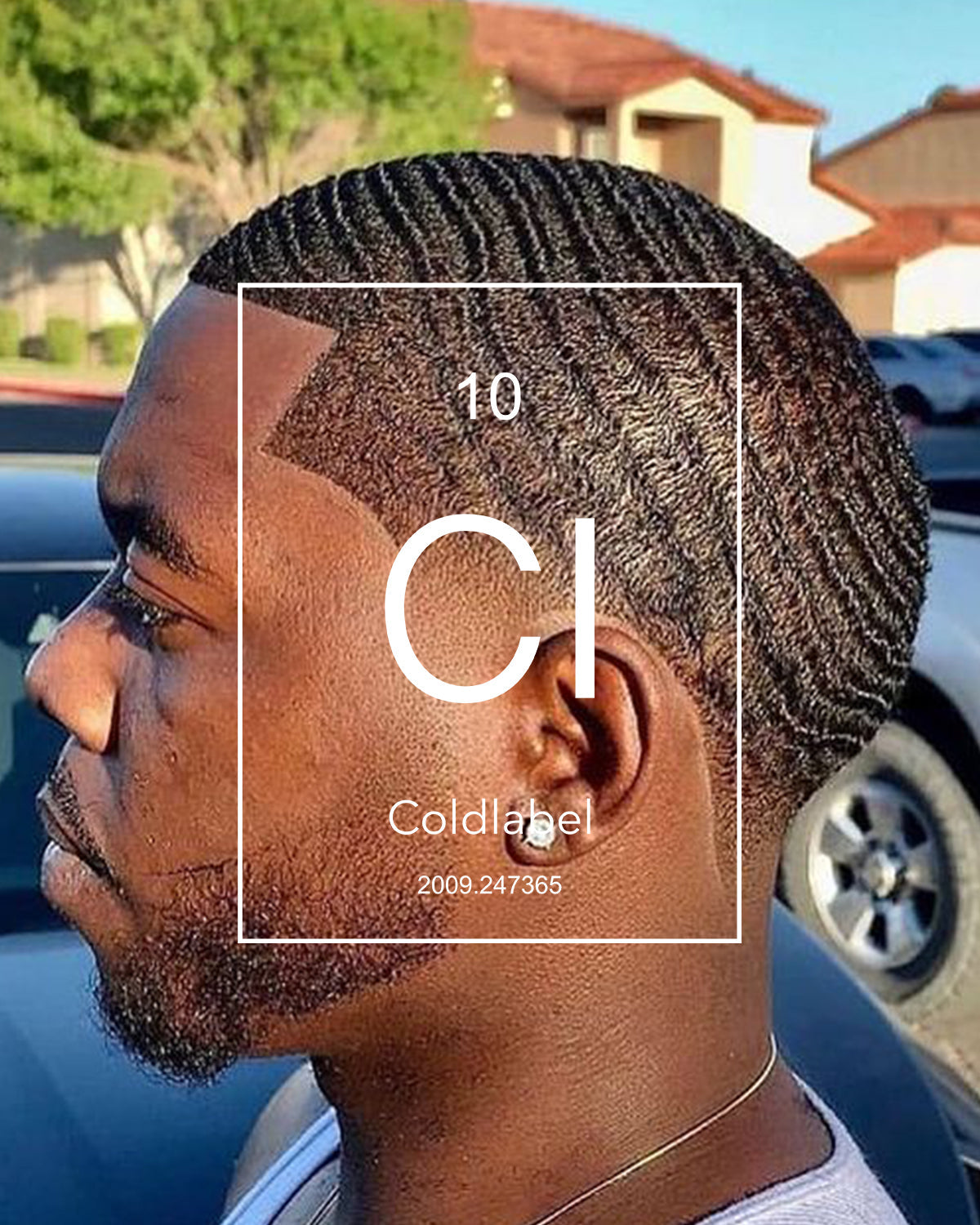
When cut back down properly, the result is tighter, more defined waves.

Why Wolfing Works: The Science Behind Pattern Development
Waves form because tightly coiled hair grows in a curved pattern. When brushed consistently and compressed with a durag or wave cap, that natural curvature is trained into a uniform direction.
During the wolfing phase:
-
Hair strands grow longer, increasing their ability to bend and overlap.
-
Brushing reinforces direction, guiding new growth into the existing pattern.
-
Compression sets the form, helping the hair lay down in alignment.
Longer hair allows wave ridges to become more visible. When you cut back to your standard wave length (often with a #2, #2.5, or #3 guard depending on texture), the deeper pattern remains.
This is why many experienced wavers say: you build waves while wolfing; you reveal them when you cut.
How Long Should You Wolf?
There is no universal timeline. Texture, density, and brushing consistency all matter.
General Guidelines
-
Beginners: 4–6 weeks
-
Intermediate wavers: 6–8 weeks
-
Advanced wavers: 8–10+ weeks
The key question is not “How long can I grow?” but:
Is my brushing discipline strong enough to control this length?
If the hair becomes difficult to lay down, mats excessively, or loses pattern clarity, it may be time for a maintenance cut.

How to Wolf Properly
Wolfing without structure leads to overgrowth, tangling, and weak results. Proper wolfing is deliberate.
1. Brush With Intention
During a wolf, brushing becomes more important—not less.
-
Use a medium brush as length increases
-
Progress to medium-hard or hard brushes as needed
-
Maintain consistent angles
-
Brush the crown separately with care
Brushing during wolfing reinforces wave training. Skipping sessions weakens progress.
2. Maintain Scalp Health
Longer hair traps more sweat, oil, and debris. Without proper scalp care, wolfing can lead to:
-
Product buildup
-
Itchiness
-
Flaking
-
Inflammation
Healthy waves begin with a healthy scalp.
Best practices:
-
Wash consistently (1–2 times per week depending on activity level)
-
Use gentle, sulfate-conscious cleansers
-
Avoid heavy petroleum buildup
-
Moisturize lightly and seal appropriately
Scalp health supports stronger hair fibers and better pattern retention.

3. Moisturize Without Overloading
One common mistake during wolfing is over-applying product to “control” the length.
Heavy grease does not equal deeper waves.
Instead:
-
Use light oils to support hair flexibility
-
Apply creams sparingly
-
Focus on hydration first, then sealing
Healthy hair bends more consistently. Overloaded hair clumps and loses definition.
4. Compress Daily
Compression is essential during a wolf.
-
Wear a durag or wave cap after brushing
-
Use firm but comfortable compression
-
Double compress if necessary during longer wolves
Compression trains the hair to lay flat as it grows. Without it, the wolf becomes uncontrolled expansion.

Common Wolfing Mistakes
Even experienced wavers make errors. Avoid these:
❌ Cutting Too Low After a Wolf
If you wolf to 8 weeks and cut back to a #1, you may lose progress.
Instead, reduce gradually—often one guard below your wolfing peak.
❌ Neglecting the Crown
The crown often needs targeted brushing. Ignoring it during wolfing creates weak connection points.
❌ Over-Brushing Aggressively
Brushing is essential, but excessive force can irritate the scalp and cause breakage.
❌ Ignoring Trims
A light shape-up or taper during a wolf maintains presentation without sacrificing growth.
The Ideal Cut After Wolfing
The reveal matters.
Most barbers recommend:
-
Cutting with the grain
-
Avoiding drastic reductions
-
Maintaining enough length to preserve pattern depth
Common post-wolf guards:
-
#2
-
#2.5
-
#3
Consult your barber. Texture and density dictate the correct guard.
A professional understands how to preserve the pattern you built.

Wolfing and Professional Craftsmanship
Wolfing is not a shortcut in the lazy sense. It is a strategic shortcut in the developmental sense.
Instead of constantly cutting to chase surface shine, wolfing builds:
-
Structure
-
Density
-
Long-term wave integrity
Barbers who respect the craft understand this cycle:
Grow. Train. Compress. Refine. Cut with discipline.
This rhythm reflects a broader grooming philosophy: ritual over impulse.
In serious grooming culture, restraint produces better outcomes than constant alteration.
FAQ: Wolfing for Waves
Does wolfing make waves deeper?
Yes—when combined with consistent brushing and compression. Length allows the wave pattern to form more visibly. Cutting properly reveals that depth.
Can you wolf too long?
Yes. If hair becomes unmanageable, mats excessively, or loses definition, the wolf has exceeded your maintenance capacity.
Should beginners wolf?
Yes, but moderately. A 4–6 week wolf is often ideal for learning control without overwhelming the pattern.
How often should I wash during a wolf?
Typically once or twice per week, depending on activity level. Clean scalp equals stronger pattern development.

Wolfing as a Grooming Philosophy
At its core, wolfing represents patience and craft.
It requires:
-
Discipline in brushing
-
Respect for scalp health
-
Understanding of hair behavior
-
Professional guidance
It reflects a deeper truth in grooming:
Progress is built in private. Precision is revealed in public.
For those serious about refined waves, wolfing for waves is not optional—it is foundational.
+Approach it deliberately.
+Train your pattern consistently.
+Maintain your scalp carefully.
+Cut with intention.
The result is not just better waves—but better grooming judgment overall.
And that is the difference between routine and ritual.