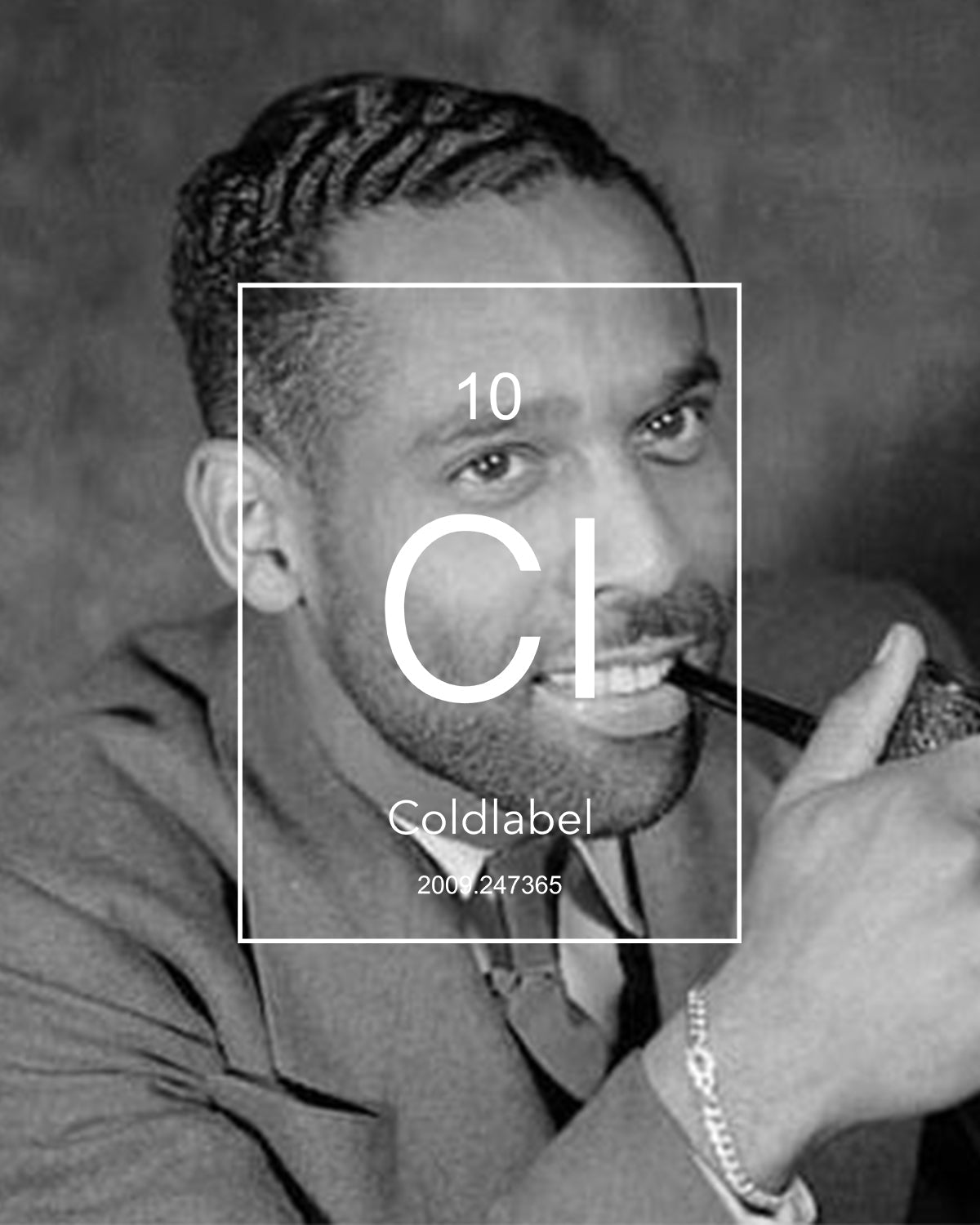
Reverse 180 Waves: The Slick Back Wave Style Explained
Mastering the “Slick Back” Waves Style
The reverse 180s—often called the slick back waves—represent one of the most disciplined and misunderstood wave patterns in modern barbering. Unlike traditional 360 or forward-moving 180 waves, reverse 180s challenge natural growth patterns and demand a deeper understanding of scalp direction, brushing mechanics, and long-term hair health.
For serious wavers and grooming professionals alike, this style isn’t about novelty. It’s about control, intention, and respect for the craft. When done correctly, reverse 180s create a clean, architectural wave pattern that reads refined rather than forced—an aesthetic that aligns closely with barbershop tradition and ritual-based grooming.

Understanding Reverse 180s (Slick Back Waves)
Reverse 180s are a wave pattern that flows backward from the hairline toward the crown rather than forward or outward. The pattern is typically worn on short to medium-short hair and relies heavily on directional training.
How Reverse 180s Differ From Traditional Waves
Key distinctions include:
-
Direction of growth: Hair is trained against or across its natural lay
-
Brushing mechanics: Emphasis on upward and backward strokes
-
Maintenance demands: Greater focus on scalp health and moisture
-
Visual effect: A sharper, more tailored finish than standard 180s
Where forward waves follow the scalp’s default behavior, reverse waves require deliberate intervention. This is why they’re often considered an advanced wave style.

Why Reverse 180s Require a Scalp-First Approach
Training hair against its natural direction places additional stress on the follicle and scalp surface. Without proper preparation, this can lead to irritation, dryness, or uneven wave formation.
Scalp Fundamentals That Matter Most
To support reverse 180s, the scalp must be:
-
Well-hydrated to reduce friction during brushing
-
Free of buildup that can block follicle movement
-
Balanced in oil production to prevent flaking or shine overload
A healthy scalp allows hair to adapt to new directional memory without breakage or resistance.
The Brushing Science Behind Slick Back Waves
Reverse waves are not achieved through pressure alone. They’re built through repetition, consistency, and precision.
Proper Brushing Angles
Most reverse 180 patterns rely on:
-
Upward strokes from the hairline toward the crown
-
Slight diagonal adjustments near the temples
-
Controlled pressure that moves hair without scraping the scalp
Brushing should feel intentional, not aggressive. Excessive force increases inflammation and can disrupt wave depth over time.
Brush Selection Matters
Barbers typically recommend:
-
Medium bristle brushes for training phases
-
Softer brushes for polishing and laydown
-
Consistent brush type during each growth cycle
Switching too often can confuse directional progress.

Length Control and Cut Strategy
Reverse 180s depend heavily on proper length management. Hair that’s too long resists backward training; hair that’s cut too short loses definition.
Ideal Length Range
Most professionals agree:
-
¼ to ½ inch is optimal for visibility and control
-
Length should remain uniform across the top
-
Gradual tapers enhance contrast without breaking the wave flow
A disciplined cut schedule reinforces pattern memory rather than resetting it.
Moisture, Hold, and Product Discipline
Product misuse is one of the fastest ways to undermine reverse waves. Slick back patterns benefit from restraint, not excess.

What Reverse 180s Actually Need
Effective product use prioritizes:
-
Lightweight moisture to keep hair flexible
-
Natural oils or butters that support elasticity
-
Minimal hold—enough to guide, not stiffen
Heavy pomades may offer short-term shine but often collapse wave structure over time.
Durag Use and Compression Strategy
Compression is critical for reinforcing direction after brushing sessions, especially during the early stages of training.
Best Practices for Reverse Waves
-
Wear durags after brushing, not before
-
Avoid excessive tightness that restricts circulation
-
Prioritize smooth seams to prevent pattern disruption
Nighttime compression is where much of the wave memory sets.

Common Mistakes That Undermine Reverse 180s
Even experienced wavers encounter setbacks when fundamentals slip.
Errors to Avoid
-
Brushing dry hair without lubrication
-
Over-washing, which strips natural oils
-
Ignoring scalp irritation or tightness
-
Chasing fast results instead of pattern consistency
Reverse waves reward patience. Shortcuts almost always show in uneven depth or thinning zones.
Barber Insight: Who Reverse 180s Are For
This style isn’t universal—and that’s part of its appeal.
Reverse 180s tend to work best for individuals who:
-
Have consistent curl patterns
-
Commit to structured grooming rituals
-
Prefer refined, understated aesthetics
-
Understand grooming as maintenance, not experimentation
It’s a style chosen with intention, not impulse.

Reverse 180s as a Grooming Ritual
At their core, slick back waves reflect a philosophy: grooming as discipline. Each brushing session reinforces control. Each cut resets balance. Each product application supports long-term health rather than temporary shine.
This is where the style aligns naturally with heritage barbering—where technique is passed down, not rushed.
Long-Term Hair and Scalp Health Considerations
Training hair backward doesn’t damage follicles when done responsibly. Issues arise only when moisture, hygiene, or rest cycles are ignored.
Sustainable Practices
-
Cleanse gently and consistently
-
Massage the scalp to support circulation
-
Rotate rest periods between cuts
-
Adjust pressure during sensitive phases
Healthy reverse waves look effortless because they’re supported beneath the surface.
Conclusion: The Authority of the Slick Back Wave
Reverse 180s are a statement of grooming literacy.
For those willing to commit to the fundamentals—scalp health, directional discipline, and product restraint—the slick back wave delivers a clean, commanding aesthetic rooted in barbershop tradition.
When approached as a ritual rather than a routine, reverse 180s become more than a hairstyle. They become a reflection of order, patience, and professional self-respect.
FAQ's
How long does it take to train reverse 180s?
Most individuals see initial pattern formation within 4–6 weeks, with full definition developing over several cut cycles.
Are reverse waves bad for hair growth?
No. When moisture, brushing pressure, and scalp care are properly managed, reverse waves do not harm growth.
Can beginners start with reverse 180s?
Beginners can, but the learning curve is steeper. Many barbers recommend mastering forward waves first.