The Barbershop as a Cultural Institution
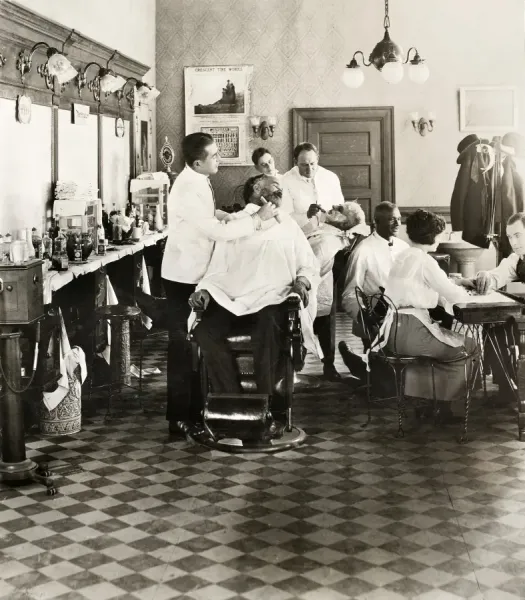
The barbershop has never been just a place to get a haircut. Long before grooming became product-driven or algorithm-optimized, the barbershop served as a social anchor—where knowledge was exchanged, standards were upheld, and personal care was treated as a disciplined ritual. Understanding the barbershop as a cultural institution helps explain why professional grooming still matters today, and why craftsmanship, patience, and expertise remain non-negotiable in long-term grooming health.
This perspective aligns naturally with Coldlabel’s philosophy: ritual over routine, craft over convenience, and professional knowledge over trend.

What Makes the Barbershop a Cultural Institution?
A cultural institution preserves values, transmits knowledge, and reinforces identity across generations. The barbershop meets all three criteria.
Unlike transactional grooming environments, traditional barbershops functioned—and still function—as places where:
-
Standards of appearance are defined and maintained
-
Grooming knowledge is passed down through apprenticeship
-
Community bonds are strengthened through conversation and trust
Historically, barbers were among the few professionals entrusted with close physical care. That trust shaped the barbershop into a space where discipline, discretion, and respect were foundational.
A Brief Historical Perspective on Barbering
From Ritual Practice to Skilled Trade
Barbering predates modern cosmetology by centuries. In ancient societies, grooming was inseparable from health, spirituality, and status. In places like Egypt, barbers held respected positions, responsible for both hygiene and ceremonial preparation.
As barbering evolved into a formal trade, several principles endured:
-
Precision mattered more than speed
-
Tools were extensions of skill, not shortcuts
-
Cleanliness and preparation were essential, not optional
These principles remain relevant to scalp health, beard care, and skin longevity today.

The Barbershop in Modern Urban Culture
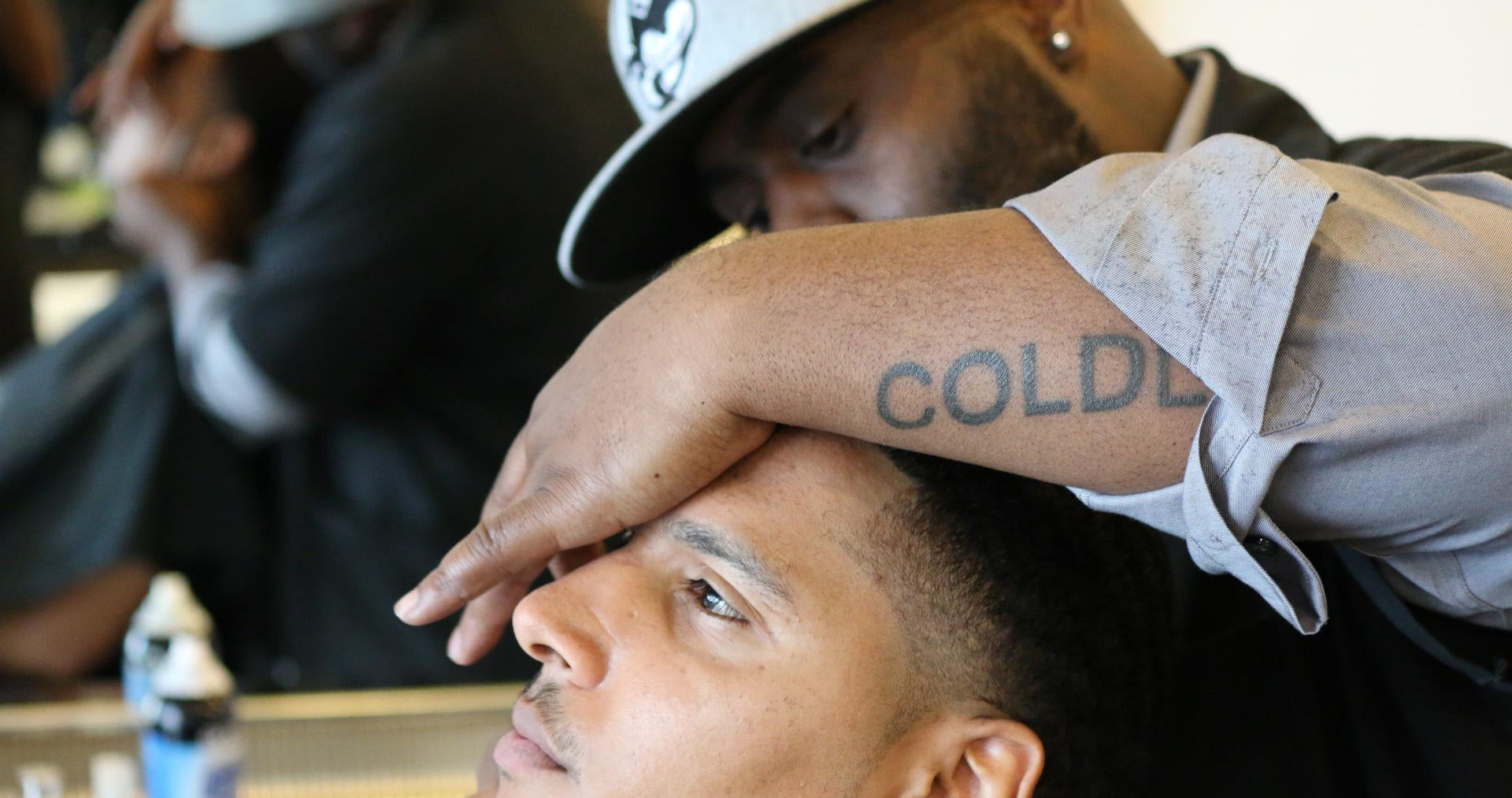
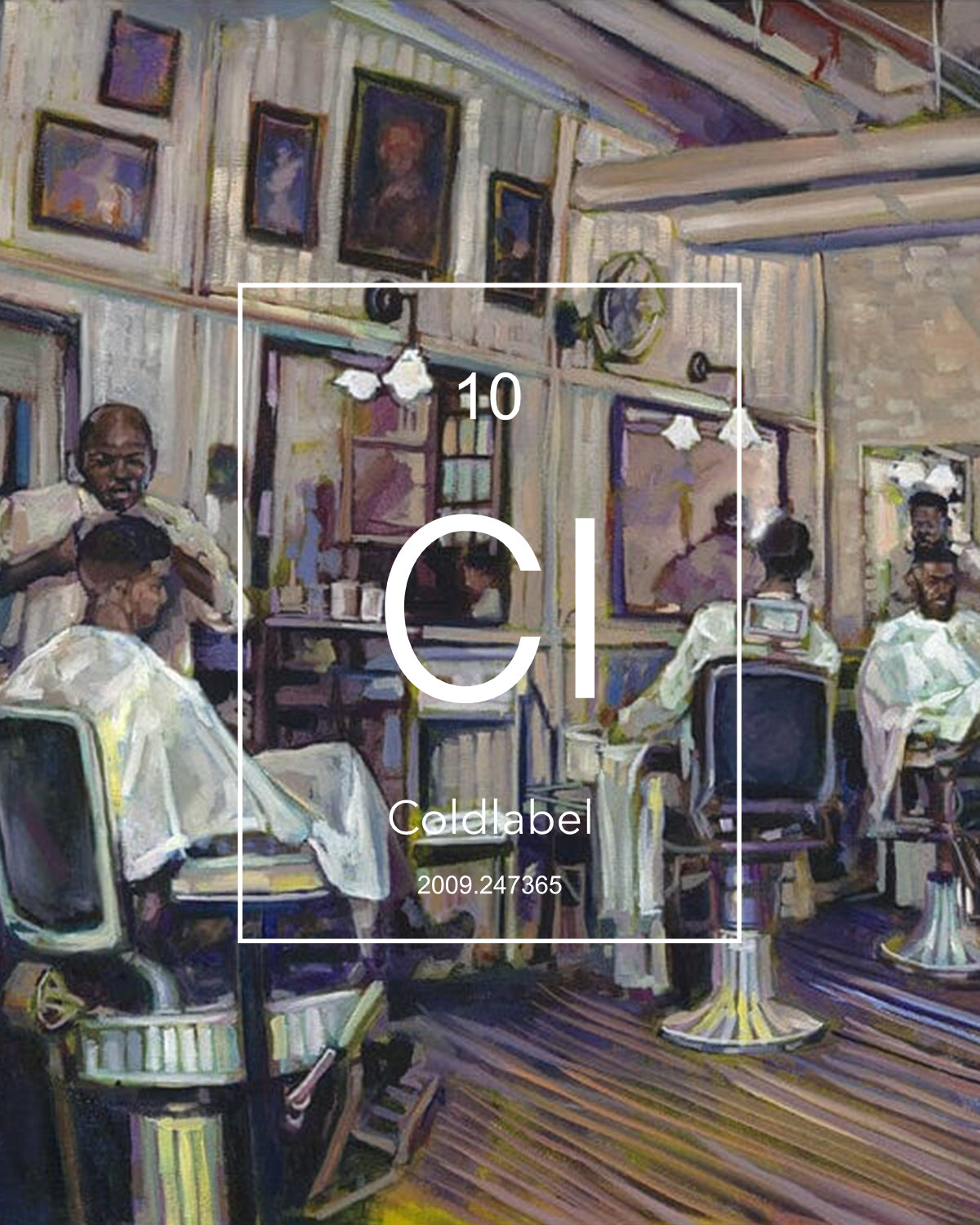
In cities such as Harlem, the barbershop became a cornerstone of neighborhood life. It was a forum for discussion, mentorship, and self-presentation. The chair wasn’t just a seat—it was a place of accountability.
This cultural role explains why barbers are still viewed as authorities, not influencers.

The Barbershop as a Center of Professional Knowledge
Grooming Education Happens in the Chair
One of the most overlooked aspects of barbershops is their role as informal educational institutions. Clients learn how to care for themselves properly through observation and instruction, not packaging claims.
A professional barber teaches:
-
How hair actually grows from the scalp
-
Why preparation (cleansing, hydration, softening) matters
-
How improper at-home habits damage long-term results
The Science Behind Traditional Techniques
Classic barbershop practices are grounded in fundamentals of skin and hair biology:
-
Warm towels increase blood flow and soften hair fibers
-
Straight razor shaving reduces tugging when properly prepared
-
Natural oils and butters support barrier function without clogging
These methods persist because they work—when applied with skill and restraint.

Ritual Over Routine: Why the Barbershop Model Endures
Ritual Creates Consistency
Routine is mechanical. Ritual is intentional.
In the barbershop, every step has a reason:
-
Cleanse to remove buildup
-
Prepare to protect skin and hair
-
Execute with precision
-
Finish to restore balance
This sequence mirrors best practices in long-term grooming health, especially for men dealing with dryness, irritation, or inconsistent results.

Craftsmanship Demands Patience
Barbershops are inherently anti-haste environments. Quality grooming cannot be rushed without consequences—uneven growth, irritation, or compromised scalp health.
This patience is a core value Coldlabel emphasizes: fewer steps, executed correctly, with ingredients chosen for function rather than marketing.
Community, Identity, and Trust
The Barbershop as a Safe Social Space
Cultural institutions provide continuity in a fast-changing world. The barbershop remains one of the few places where:
-
Conversation is unfiltered yet respectful
-
Generational knowledge is exchanged naturally
-
Appearance is discussed without vanity or shame
This environment fosters confidence rooted in self-respect, not comparison.

Trust Built Through Consistency
Trust isn’t built through branding—it’s built through repetition and results. Clients return to the same barber because:
-
The barber understands their hair and skin history
-
Adjustments are made thoughtfully over time
-
Long-term outcomes matter more than short-term trends
This mirrors how serious consumers should approach grooming products: consistency over experimentation.
The Modern Relevance of the Barbershop Model
Why Professional Standards Still Matter
Today’s grooming market is crowded with quick fixes and exaggerated claims. The barbershop model cuts through that noise by prioritizing:
-
Proven techniques
-
Ingredient literacy
-
Respect for individual differences in hair and skin
Products should support professional methods, not replace them.
Applying Barbershop Principles at Home
You don’t need a barber chair to adopt institutional standards. Apply these principles daily:
-
Treat grooming as maintenance, not indulgence
-
Learn how your scalp and skin respond over time
-
Choose products that complement technique

Conclusion: Preserving the Institution Through Practice
The barbershop endures because it represents something rare: a disciplined approach to self-care rooted in knowledge, ritual, and community. It reminds us that grooming is not about novelty—it’s about stewardship of one’s appearance over decades.
Coldlabel draws from this lineage, not to romanticize the past, but to preserve what still works. When grooming is treated as a cultural practice rather than a consumer trend, results improve—and standards rise.
FAQ's
Is the barbershop still relevant in modern grooming?
Yes. Its principles—preparation, precision, and patience—remain foundational to healthy hair and skin.
Can barbershop techniques be adapted at home?
Absolutely. With proper tools, ingredients, and education, many institutional practices translate well to daily routines.
Why do traditional methods persist?
Because they align with biological realities of skin and hair, not marketing cycles.