The Psychology of Ritual and Self-Respect
Modern grooming is often framed as speed, convenience, and optimization. But beneath the surface, grooming has always been something deeper: a ritual. Long before products were marketed as “hacks” or “solutions,” men practiced deliberate acts of care that reinforced identity, discipline, and self-respect.
This matters because how a man treats himself—especially in private moments—shapes how he carries himself in public. Ritual is not indulgence. It is structure. And structure builds respect.
This article explores the psychology behind ritual, why it reinforces self-respect, and how intentional grooming practices contribute to long-term confidence, order, and personal authority.
Why Ritual Carries Psychological Weight
A ritual differs from a routine in one essential way: intention.
A routine is mechanical. A ritual is deliberate. Psychology consistently shows that intentional acts signal meaning to the brain, reinforcing identity and values through repetition.
When grooming is treated as ritual, it becomes a form of self-communication:
I am worth care. I take myself seriously.
Ritual Creates Mental Boundaries
Rituals mark transitions—sleep to wake, work to rest, disorder to order. In grooming, this boundary-setting has measurable psychological effects:
-
It slows cognitive noise
-
It anchors attention in the present
-
It reinforces consistency and self-discipline
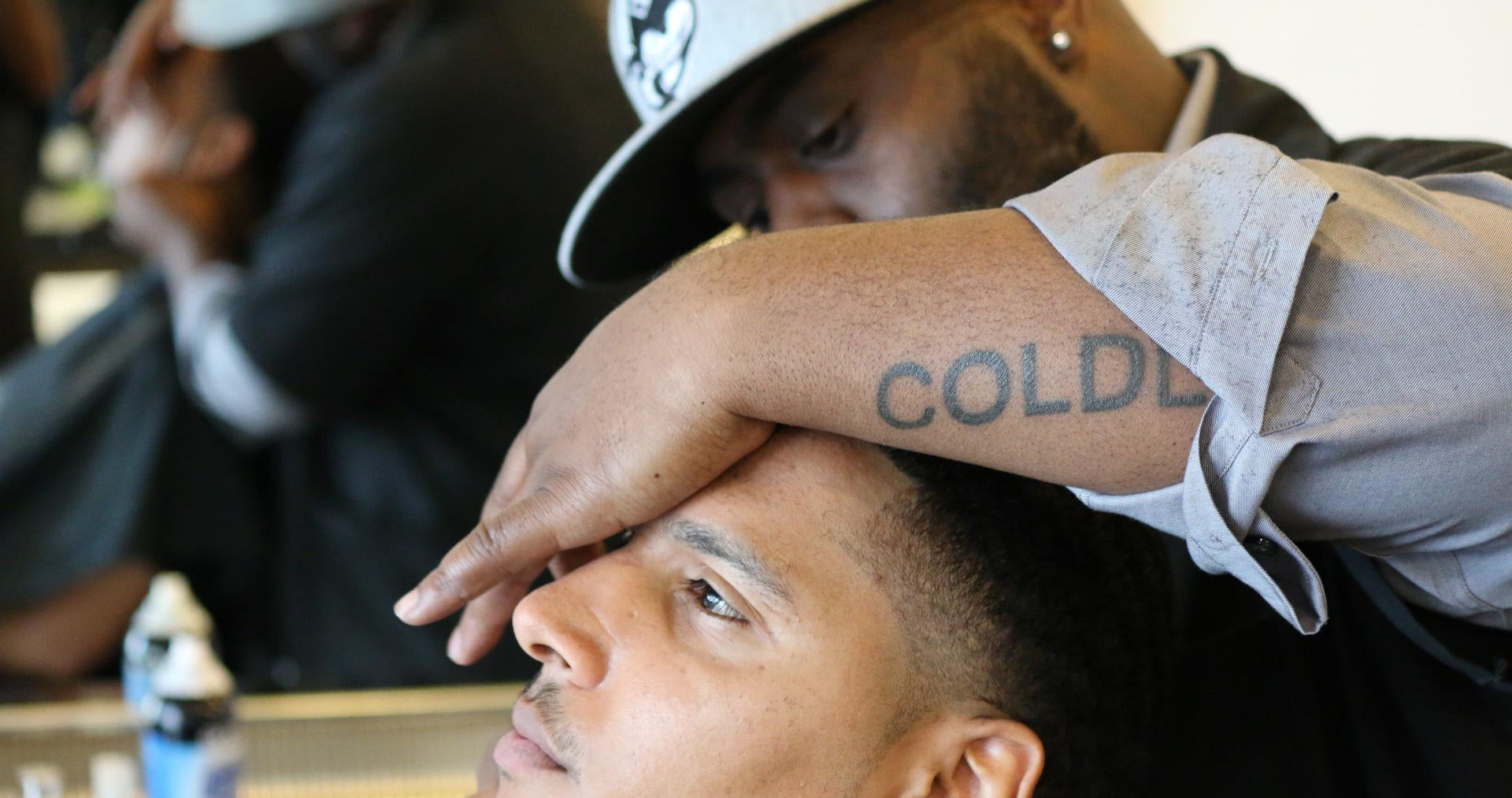
These effects are not abstract. Barbers have long understood that the chair is as much mental as physical. Men leave not just cleaner—but clearer.

Self-Respect Is Built Through Repeated Signals
Self-respect is not a feeling you wait for. It is a condition you build.
Psychologically, self-respect develops when actions consistently align with standards. Grooming rituals provide a daily opportunity to reinforce those standards through care, precision, and patience.
What Grooming Rituals Signal to the Mind
-
Consistency → reliability in self-trust
-
Precision → respect for detail
-
Patience → emotional regulation
-
Maintenance → long-term thinking
Over time, these signals compound. A man who maintains his appearance deliberately is more likely to maintain discipline elsewhere—work, health, and conduct.
The Role of Craftsmanship in Mental Order
Craftsmanship matters because the brain responds differently to tools and materials designed with intention.
Disposable, overly synthetic, or overly complicated systems encourage rushed behavior. Well-crafted grooming tools and formulations encourage care and focus.
Why Fewer, Better Tools Improve Discipline
-
Reduced decision fatigue
-
Greater familiarity and mastery
-
Slower, more intentional movements
-
Increased respect for the process
This is why traditional barbering favors proven methods over constant novelty. Craft supports ritual. Ritual supports order.

Grooming Rituals as Anchors of Masculine Identity
Historically, grooming rituals were tied to rites of passage—shaving, hair cutting, beard maintenance. These acts symbolized readiness, responsibility, and control.
In modern life, where many traditional markers of transition are absent, grooming rituals quietly fill that role.
Private Discipline Creates Public Presence
Men who practice deliberate grooming rituals often exhibit:
-
More composed body language
-
Greater attention to detail
-
Stronger personal boundaries
-
A calmer, more confident demeanor
This is not vanity. It is coherence. When external order reflects internal order, confidence appears natural—not performed.
Ritual Over Routine: What Changes in Practice
Shifting from routine to ritual does not require more time. It requires more presence.
Routine Looks Like:
-
Rushed application
-
Inconsistent products
-
Little attention to technique
Ritual Looks Like:
-
Consistent sequencing
-
Intentional movements
-
Respect for ingredients and tools
The difference is psychological weight. Ritual trains patience. Routine trains speed.
Grooming as Long-Term Self-Respect, Not Short-Term Image
Trendy grooming focuses on outcomes: shine, hold, definition. Ritual-focused grooming emphasizes condition, health, and sustainability.
This aligns with professional barbering philosophy: you maintain the foundation first.
Long-Term Benefits of Ritual-Based Grooming
-
Healthier scalp and skin function
-
Reduced irritation and overprocessing
-
Improved hair and beard resilience
-
More consistent results over time

How to Build a Personal Grooming Ritual
A ritual should be repeatable, restrained, and meaningful. Complexity is unnecessary.
Core Principles
-
Consistency over novelty
-
Quality over quantity
-
Technique over trends
Example Framework
-
Cleanse with intention, not speed
-
Apply products deliberately, not excessively
-
Finish with inspection and adjustment
The goal is not perfection—it is presence.

The Barbershop as a Model for Ritual
The barbershop endures because it embodies ritualized self-respect:
-
Trusted hands
-
Established sequences
-
Professional standards
-
Cultural continuity
Coldlabel’s philosophy aligns with this model—craft, restraint, and long-term thinking over spectacle.
Conclusion: Ritual Is a Form of Quiet Authority

Ritual does not announce itself. It is felt.
When grooming becomes ritual, self-respect becomes structural—not emotional. It is built through repetition, discipline, and care. Over time, this quiet structure shapes posture, presence, and confidence.
A man who honors his rituals honors himself. And that respect carries outward—into how he moves, speaks, and is perceived.
FAQ's
Is grooming ritual about vanity?
No. Ritual is about maintenance, order, and self-respect—not admiration.
Do rituals need to be time-consuming?
No. Consistency and intention matter more than duration.
Can simple grooming still be a ritual?
Yes. Simplicity often strengthens ritual by removing distraction.