How Grooming Shapes First Impressions—Silently

First impressions are formed quickly, often before a single word is exchanged. Long before credentials, personality, or intent are revealed, appearance delivers a quiet but decisive signal. Grooming—hair, skin, beard, and overall presentation—operates as a form of nonverbal communication. It speaks to discipline, self-respect, and awareness without asking for attention.
This matters because first impressions tend to anchor perception. They influence how competence, trustworthiness, and credibility are judged. Grooming does not shout. It signals. And when done with intention, it does so calmly and effectively.
This article explores how grooming shapes first impressions at a psychological and practical level—drawing from barbering tradition, skin and hair health fundamentals, and modern social science—while emphasizing ritual over routine and long-term grooming health over short-term aesthetics.
The Science Behind First Impressions
How the Brain Processes Appearance
Human perception is efficient by necessity. The brain relies on rapid visual assessments to determine safety, familiarity, and social hierarchy. Grooming becomes part of this immediate evaluation.
Within seconds, observers subconsciously assess:
-
Cleanliness and order
-
Symmetry and balance
-
Signs of care or neglect
These cues are processed before conversation begins. Grooming, therefore, becomes a proxy for traits such as reliability, attentiveness, and self-management.

Grooming as Nonverbal Communication
Nonverbal communication is not limited to posture or eye contact. Grooming functions as a static signal—present before movement or speech.
Well-maintained hair, skin, and beard quietly suggest:
-
Preparation and foresight
-
Respect for shared space
-
Awareness of social context
Neglect, on the other hand, can unintentionally signal disorganization or disregard, regardless of intent.
Grooming and Perceived Competence
Why Order Communicates Capability
Order has long been associated with competence. In professional and social settings, people often equate visible care with internal discipline.
Grooming contributes to this perception by demonstrating:
-
Consistency in personal habits
-
Attention to detail
-
Ability to maintain standards over time
This is not about luxury or excess. It is about control and clarity.

Hair, Beard, and Facial Structure
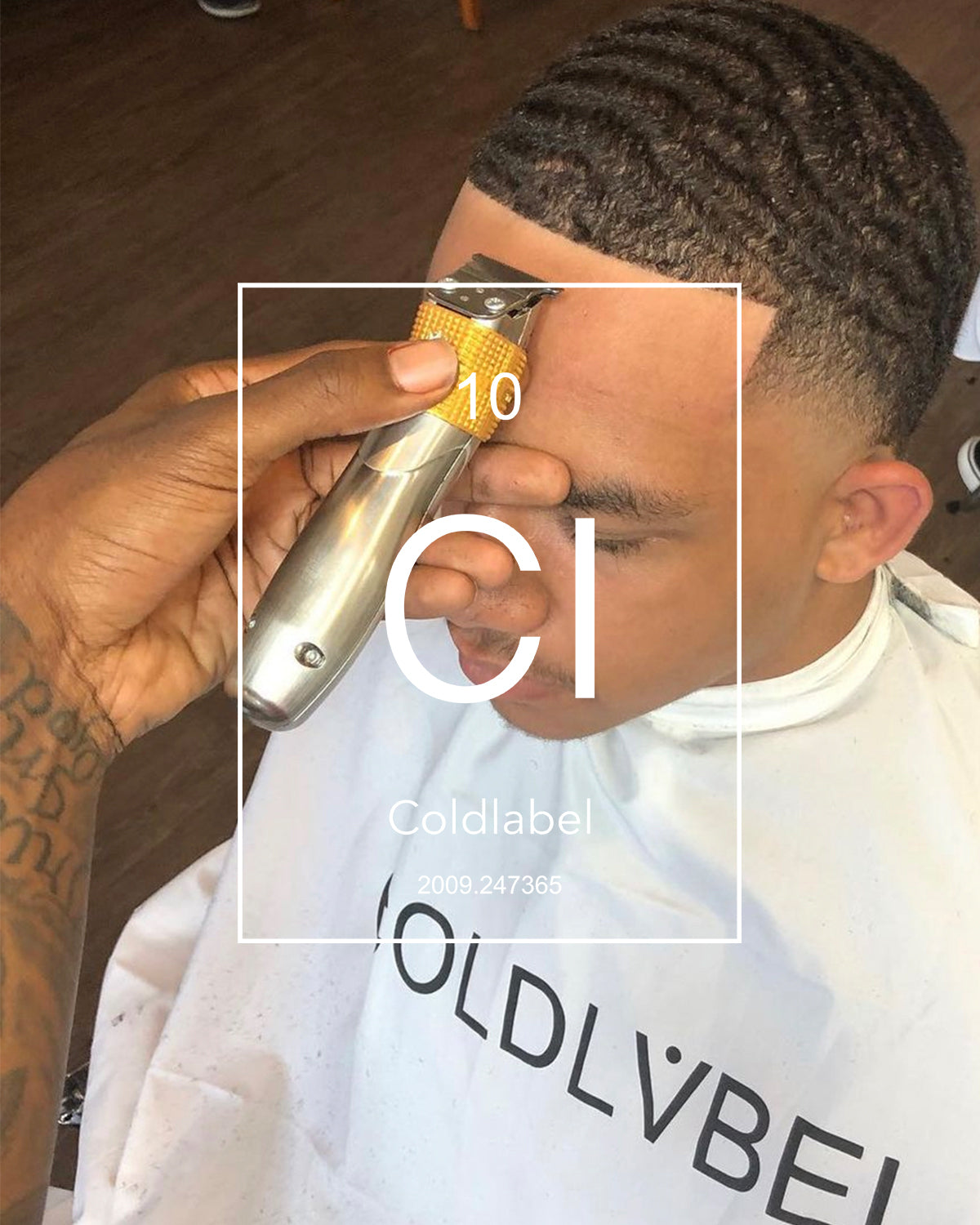
Barbering tradition emphasizes working with natural growth patterns rather than against them. When hair and beard are shaped according to bone structure and density, the result is balance—not distraction.
Best practices include:
-
Regular trims to maintain shape
-
Beard lines that respect natural growth
-
Hair length that complements lifestyle and face shape
The Role of Skin and Scalp Health
Cleanliness vs. Health
Clean does not always mean healthy. Over-washing, harsh detergents, and poor ingredient choices can compromise the skin barrier and scalp balance.
Healthy grooming focuses on:
-
Preserving natural oils
-
Supporting the scalp microbiome
-
Avoiding unnecessary irritation
A calm, clear scalp and balanced skin tone are often perceived as signs of vitality—even if observers cannot articulate why.
Ingredient Awareness and Long-Term Impact
Ingredient literacy separates surface grooming from professional-level care. Products that respect skin and hair physiology tend to produce more consistent results over time.
Foundational principles include:
-
Avoidance of excessive fragrance or alcohol
-
Use of oils and butters that support barrier function

Cultural Memory and the Barbershop Standard
Barbering as Social Calibration
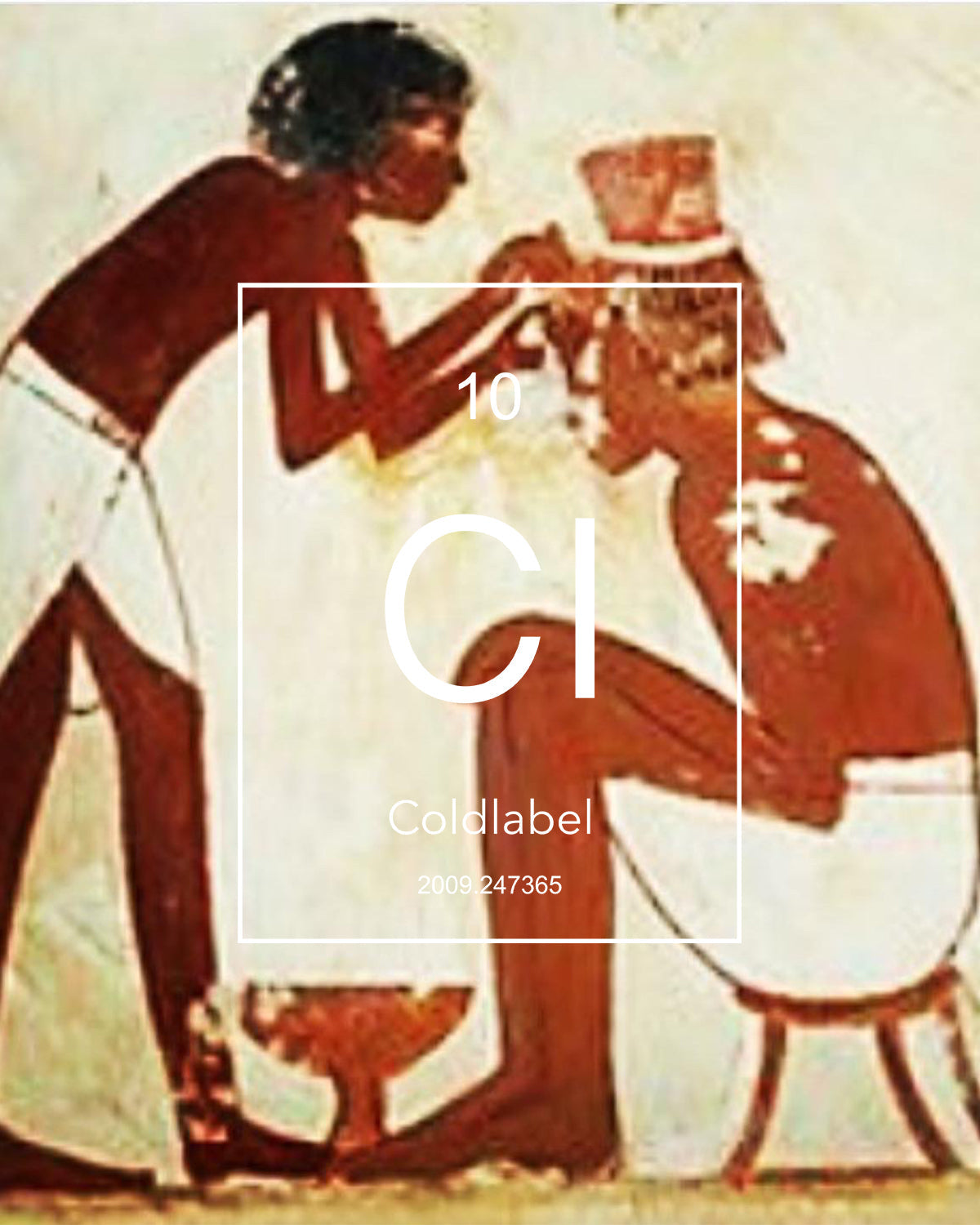
Historically, barbershops served as places of maintenance and refinement. They reinforced communal standards around appearance and conduct.
Barbers were—and remain—authorities on:
-
Proper grooming intervals
-
Seasonal hair and skin adjustments
-
Respectful presentation in public spaces
This professional knowledge continues to inform modern grooming best practices.
Common Grooming Mistakes That Undermine First Impressions
Even well-intentioned grooming can misfire. Common issues include:
-
Over-styling that looks rigid or unnatural
-
Neglecting scalp care while focusing on hair
-
Inconsistent beard lines or uneven growth management
-
Using products unsuited to skin or hair type
Correction usually requires simplification rather than addition.

Practical Grooming Principles That Signal Self-Respect
For lasting impact, focus on fundamentals:
-
Consistency: Maintain regular grooming intervals rather than sporadic overhauls
-
Fit: Choose styles that align with natural features and lifestyle
-
Health: Prioritize scalp and skin health before aesthetic goals
-
Restraint: Let grooming support presence, not dominate it

Conclusion: The Quiet Authority of Care
Grooming shapes first impressions not through spectacle, but through order and intention. It operates silently, yet its effects are lasting. When grooming is treated as a ritual grounded in health, craftsmanship, and professional knowledge, it communicates self-respect without performance.
The most effective grooming is rarely noticed directly. Instead, it allows others to focus on what you say and how you move—unburdened by visual distractions. In that sense, grooming does not seek attention. It earns trust.
FAQ's
Does grooming really affect professional opportunities?
Grooming influences perception, which can affect initial trust and credibility. While it does not replace skill or character, it can shape how those qualities are received.
Is grooming about vanity?
At its core, grooming is maintenance. When approached with restraint and health in mind, it reflects responsibility rather than vanity.
How often should grooming rituals be performed?
This depends on hair type, skin condition, and lifestyle. Consistency matters more than frequency.