Slow Grooming: Why Precision Beats Speed
Why Slowing Down Matters in Modern Grooming
Modern grooming culture often rewards speed—five-minute routines, all-in-one products, quick fixes. But hair, skin, and scalp do not operate on shortcuts. They respond to precision, consistency, and care. Slow grooming isn’t about indulgence for its own sake; it’s about respecting the biology of the body and the craft of grooming itself.
In professional barbershops and heritage grooming traditions, time has always been a tool. Each pass of the blade, each brush stroke, each product application is deliberate. This article explains why slow grooming—measured, intentional, and precise—produces better long-term results than rushing ever could.

What Is Slow Grooming?
Slow grooming is the practice of intentional, methodical grooming that prioritizes accuracy, technique, and long-term health over speed or convenience.
It draws from:
-
Traditional barbering practices
-
Skin and scalp biology
-
Craft-based product formulation
-
Ritualized self-care disciplines
Slow grooming treats grooming as maintenance and investment, not cosmetic correction.
Precision vs. Speed: The Core Difference
Speed-based grooming focuses on:
-
Finishing quickly
-
Masking issues
-
Convenience over control
Precision-based grooming focuses on:
-
Correct technique
-
Proper product use
-
Respecting growth cycles
-
Reducing cumulative damage
Precision compounds. Speed erodes.
The Biology Behind Precision Grooming
Hair and skin are living systems with limits. Rushing grooming processes often ignores these limits.
Hair Growth and Mechanical Stress
Hair fibers weaken when exposed to:
-
Aggressive brushing
-
Dry detangling
-
Excessive heat
-
Rapid, repeated friction
Slow grooming minimizes mechanical stress by:
-
Working with natural growth patterns
-
Allowing products time to soften hair
-
Using fewer, more deliberate passes
This is especially critical for textured hair, waves, curls, and beards.
Why Barbers Have Always Worked Slowly
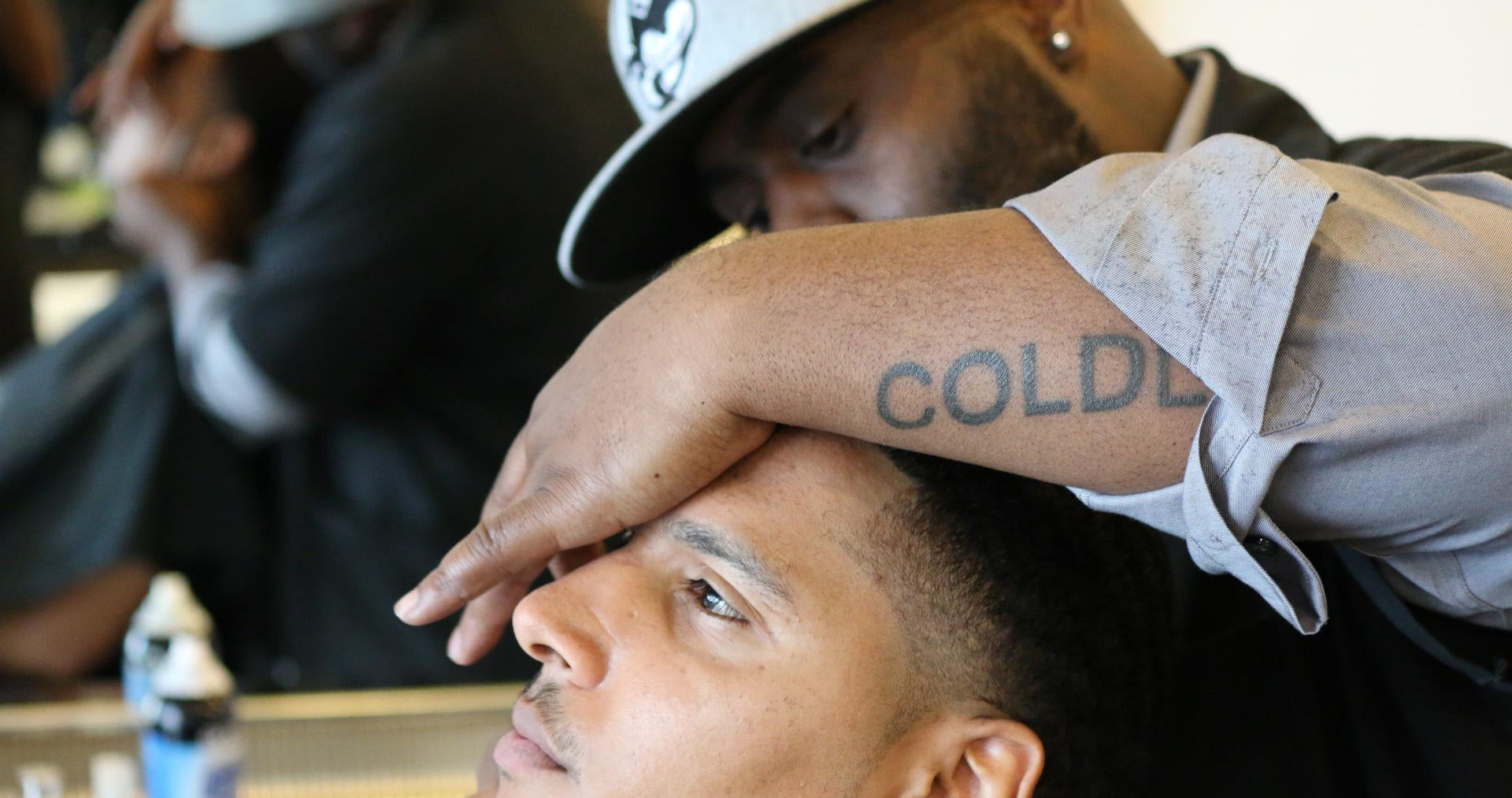
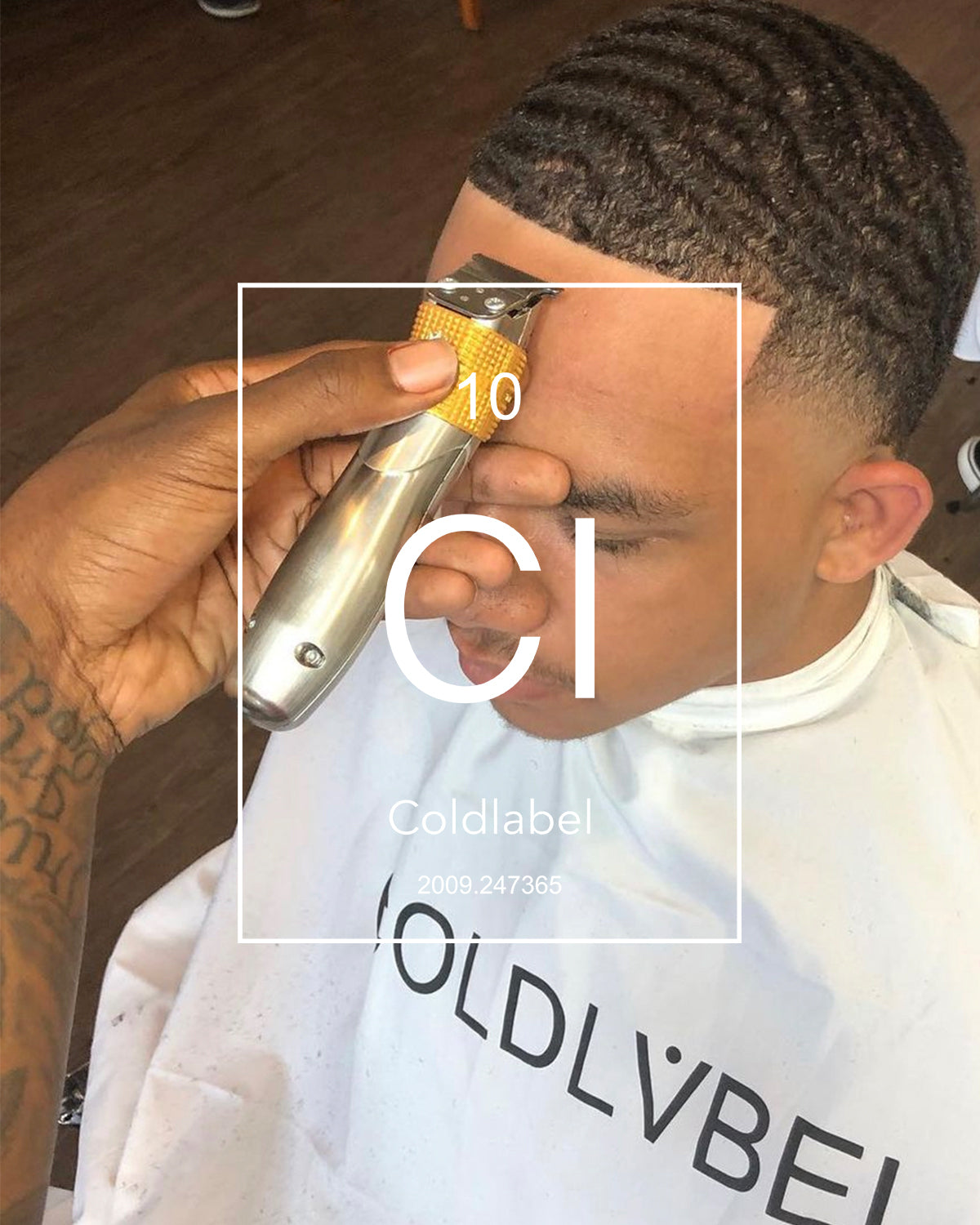
Professional barbers are trained to slow down—not because they lack efficiency, but because precision requires time.

Traditional Barbering Principles
Classic barbering emphasizes:
-
Clean sectioning
-
Controlled blade angles
-
Gradual tapering
-
Consistent pressure
A rushed cut shows immediately:
-
Uneven blends
-
Irritation
-
Poor growth recovery
A precise cut improves with time.
This philosophy applies equally to at-home grooming.
Slow Grooming and Scalp Health
Healthy hair begins at the scalp. Speed-based routines often skip scalp care entirely.

What Happens When Scalp Care Is Rushed
Rushing scalp care leads to:
-
Product buildup
-
Incomplete cleansing
-
Irritation from harsh surfactants
-
Poor moisture balance
Slow grooming allows:
-
Thorough but gentle cleansing
-
Even distribution of treatments
-
Time for oils or clays to work
Precision Improves Absorption
Applying products slowly:
-
Reduces overuse
-
Improves absorption
-
Prevents clogged follicles
More product does not equal better results. Better technique does.
Ingredient Integrity Requires Time
High-quality grooming ingredients are formulated to work gradually, not instantly.

Why Rushed Use Undermines Good Formulas
Natural oils, butters, and clays:
-
Need warmth to soften
-
Require even distribution
-
Perform best when layered intentionally
Rushing application often results in:
-
Greasy patches
-
Dry sections
-
Uneven conditioning
Slow grooming respects formulation design.
Ritual vs. Routine: The Psychological Advantage
Ritual changes behavior. Routine repeats behavior.
Slow grooming creates ritual by:
-
Establishing consistent timing
-
Encouraging focus
-
Reinforcing self-respect
This mental shift improves consistency, which matters more than intensity.
Precision Builds Discipline
When grooming becomes ritual:
-
Technique improves naturally
-
Product waste decreases
-
Results stabilize
Precision isn’t just physical—it’s cognitive.
Where Speed Actively Causes Damage
Some grooming steps should never be rushed.
High-Risk Grooming Areas
-
Shaving: Increases risk of cuts, ingrowns, irritation
-
Beard trimming: Leads to asymmetry and uneven growth
-
Brushing waves: Over-brushing causes breakage
-
Product layering: Causes buildup or dilution
Slow grooming prevents cumulative damage that often goes unnoticed until it’s advanced.
The Long-Term Payoff of Precision
Slow grooming doesn’t chase immediate transformation—it builds durability.

Benefits That Compound Over Time
-
Healthier scalp environment
-
Stronger hair fibers
-
Reduced irritation and inflammation
-
More predictable growth patterns
-
Less dependence on corrective products
Precision today prevents repair tomorrow.
How to Practice Slow Grooming at Home
You don’t need more time—just better use of it.
Practical Guidelines
-
Groom with intention, not distraction
-
Use fewer products, applied carefully
-
Respect preparation time (softening, hydration)
-
Work in sections
-
Observe how your hair and skin respond
Slow grooming is not about adding steps. It’s about doing each step correctly.
Conclusion: Precision Is the Quiet Advantage
Speed promises convenience. Precision delivers results.
Slow grooming aligns with how hair grows, how skin heals, and how professionals work. It respects craftsmanship, ingredient integrity, and the long view of personal maintenance.
When grooming becomes deliberate, outcomes improve—and so does the relationship with the ritual itself. Precision doesn’t rush. It lasts.
FAQ's
Is slow grooming time-consuming?
No. It often reduces time spent correcting mistakes, irritation, or damage later.
Does slow grooming require expensive tools?
No. Technique matters more than tools.
Is slow grooming only for barbers?
No. It originates in professional practice but benefits anyone committed to long-term grooming health.