The Side-Part Hairstyle: Classic Combover Done Right
The Side-Part: Classic Combover Styling, Done With Intent
Why the Side-Part Still Matters
The side-part—often mislabeled or dismissed as a “combover”—is one of the most enduring men’s hairstyles in modern grooming. When executed correctly, it is neither a disguise nor a relic. It is a deliberate structure that balances order, proportion, and restraint.
For barbers and serious grooming clients alike, the side-part represents something deeper than aesthetics. It reflects discipline in maintenance, respect for hair growth patterns, and an understanding of how structure shapes presence. In an era crowded with fast fades and exaggerated texture, the classic side-part endures because it works—professionally, culturally, and practically.
This guide breaks down the side-part as it should be understood: as a crafted style rooted in barbering tradition, supported by sound grooming fundamentals, and maintained through intentional ritual rather than shortcuts.
Understanding the Side-Part (and the Combover Misconception)
What a Side-Part Actually Is
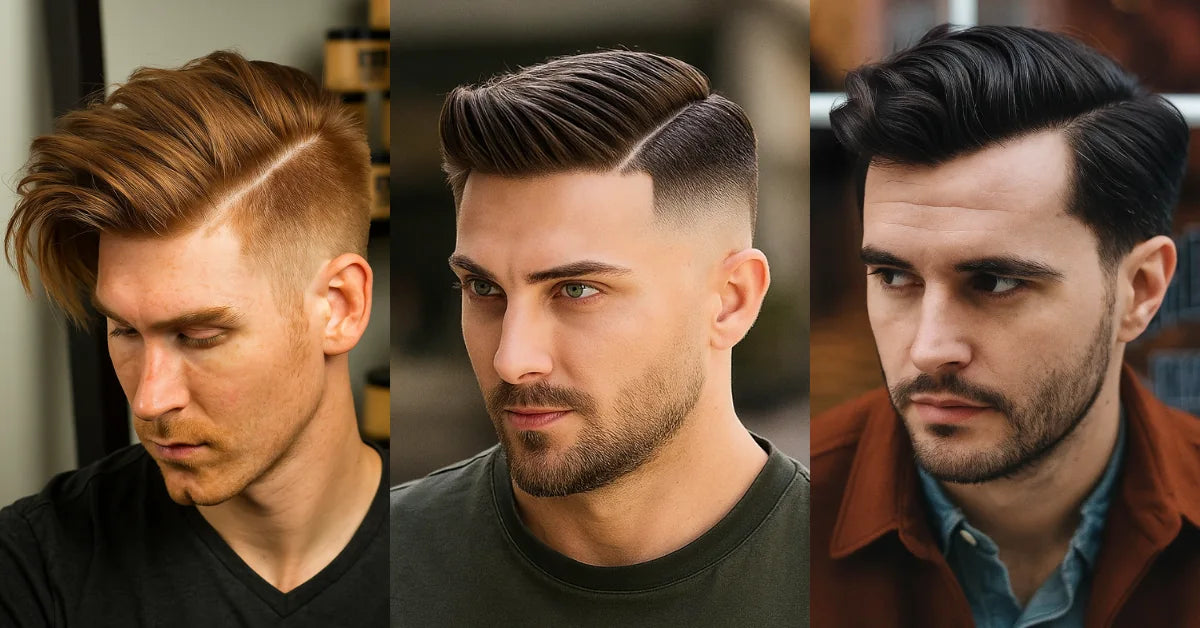
A side-part is defined by a deliberate division of the hair following a natural or carved parting line. Hair is directed across the head—not to conceal loss, but to establish structure and flow.
Key characteristics include:
-
A clear part line (natural or razor-defined)
-
Controlled directional styling
-
Gradual tapering on the sides and back
-
Balanced volume, never excessive lift
Why “Combover” Became a Misnomer
The term combover gained a negative reputation due to poor execution—thin hair pulled unnaturally across the scalp to mask hair loss. Traditional barbering never intended the style for concealment. When properly cut and styled, a side-part complements density rather than fighting it.
A well-cut side-part:
-
Works with hair growth patterns
-
Avoids over-stretching hair across the scalp
-
Accepts mature hairlines without overcompensation
The Barbering Foundations Behind a Proper Side-Part

Growth Patterns and Part Placement
Every head has a natural parting tendency determined by follicle direction and crown behavior. Forcing a part where the hair resists leads to instability and excessive product reliance.
Professional barbers evaluate:
-
Natural fall after washing and air-drying
-
Cowlicks near the front or crown
-
Density variations across the scalp
A successful side-part respects these factors rather than overriding them.
Length Ratios That Create Balance
The side-part depends on proportional length—not extremes.
General guidelines:
-
Top: long enough to lay and direct cleanly (usually 3–5 inches)
-
Sides: tapered or lightly faded, never disconnected
-
Back: clean, gradual taper that supports head shape
This balance prevents the style from appearing dated or theatrical.
Who the Side-Part Works Best For
Hair Types and Textures
The side-part adapts well across multiple hair profiles:
-
Straight hair benefits from natural separation and polish
-
Wavy hair gains controlled movement and depth
-
Coarser hair requires stronger sectioning but rewards structure

Fine hair can also wear the style successfully when cut with restraint and supported by scalp health.
Face Shapes and Professional Contexts
The side-part remains a staple in professional environments because it frames the face without distraction. It works especially well for:
-
Oval and square face shapes
-
Mature hairlines seeking clarity, not concealment
-
Men who value consistency over experimentation
Styling the Side-Part: Precision Over Excess
Product Selection Matters
The wrong product turns a classic style into a stiff or greasy imitation. Choose based on hair type and finish preference.
Common barber-approved options:
-
Light pomades for controlled shine and flexibility
-
Creams for natural movement and softer definition
-
Clays for matte structure without heaviness
Avoid over-application. The side-part should hold quietly, not announce itself.

Application Technique
Proper styling follows sequence, not speed:
-
Start with clean, slightly damp hair
-
Establish the part using a comb, not fingers
-
Apply product evenly from back to front
-
Finish with light directional combing
This process reinforces structure while preserving natural flow.
Scalp Health: The Invisible Foundation of the Side-Part
A side-part exposes the scalp more than many modern styles. That visibility demands healthy skin beneath the hair.
Key considerations:
-
Regular cleansing to prevent buildup along the part line
-
Lightweight oils or tonics to support scalp balance
-
Avoiding heavy waxes that clog follicles near the part
Healthy scalp conditions improve hair alignment, reduce irritation, and extend the lifespan of the style.
Maintenance as Ritual, Not Chore
Barber Visits and At-Home Care
A side-part thrives on consistency:
-
Barber visits every 3–5 weeks maintain proportions
-
Minor neckline and side cleanup prevents collapse
-
Daily combing reinforces growth direction over time
This is where ritual replaces routine. The act of grooming becomes reinforcement, not correction.
Aging Gracefully With the Style
One of the side-part’s greatest strengths is how well it ages. As density changes:
-
Lengths adjust subtly, not dramatically
-
Parts soften rather than disappear
-
The style matures alongside the wearer
This longevity makes it a cornerstone of heritage grooming.
Why the Side-Part Aligns With Modern Craft Grooming
The resurgence of interest in classic grooming isn’t nostalgia—it’s discernment. The side-part endures because it reflects values that modern men increasingly respect:
-
Intentional appearance
-
Long-term maintenance over short-term trends
-
Quiet confidence rooted in structure

In this way, the side-part mirrors craftsmanship itself: understated, functional, and built to last.
Conclusion: A Style That Rewards Discipline
The side-part is not a shortcut style. It requires understanding, patience, and respect for hair and scalp fundamentals. When approached correctly, it offers clarity in appearance and consistency in maintenance—qualities that transcend fashion cycles.
For men who value grooming as a ritual rather than a reaction, the side-part remains one of the most reliable expressions of personal order and professional presence.
FAQ's
Is a side-part the same as a combover?
No. A side-part uses natural direction and balance. A combover implies concealment through forced coverage.
Can thinning hair still wear a side-part?
Yes—when density is respected and the style is adjusted for proportion rather than coverage.
How much product should I use?
Less than you think. Start light and build only if necessary.
How often should the part be re-cut?
Typically every barber visit. The part evolves with growth and should remain intentional, not accidental.