Why Fewer Ingredients Often Deliver Better Results
Modern grooming shelves are crowded. Labels stretch long, formulas promise everything, and complexity is often mistaken for sophistication. Yet across traditional barbering, classical skincare, and professional formulation, a quieter truth remains: fewer ingredients often deliver better results.

This principle isn’t minimalism for its own sake. It’s rooted in function, discipline, and respect for the skin and hair as living systems. When grooming is treated as a ritual—not a shortcut or a trend—restraint becomes an advantage.
This article explores why simpler formulations frequently outperform complex ones, how this thinking comes from barbering tradition, and how modern grooming benefits from returning to ingredient clarity.
The Difference Between More and Better
More ingredients do not automatically mean better performance. In grooming science, effectiveness depends on compatibility, concentration, and purpose, not volume.
When formulas grow crowded, several issues often follow:
-
Active ingredients compete rather than cooperate
-
Concentrations are diluted to accommodate variety
-
Irritation risk increases, especially with daily use
-
Results become inconsistent across skin and hair types
Barbers have long understood this. Historically, grooming preparations were built around a handful of functional materials—oils, clays, butters, botanical extracts—each chosen for a specific role.
The goal was never novelty. It was reliability.
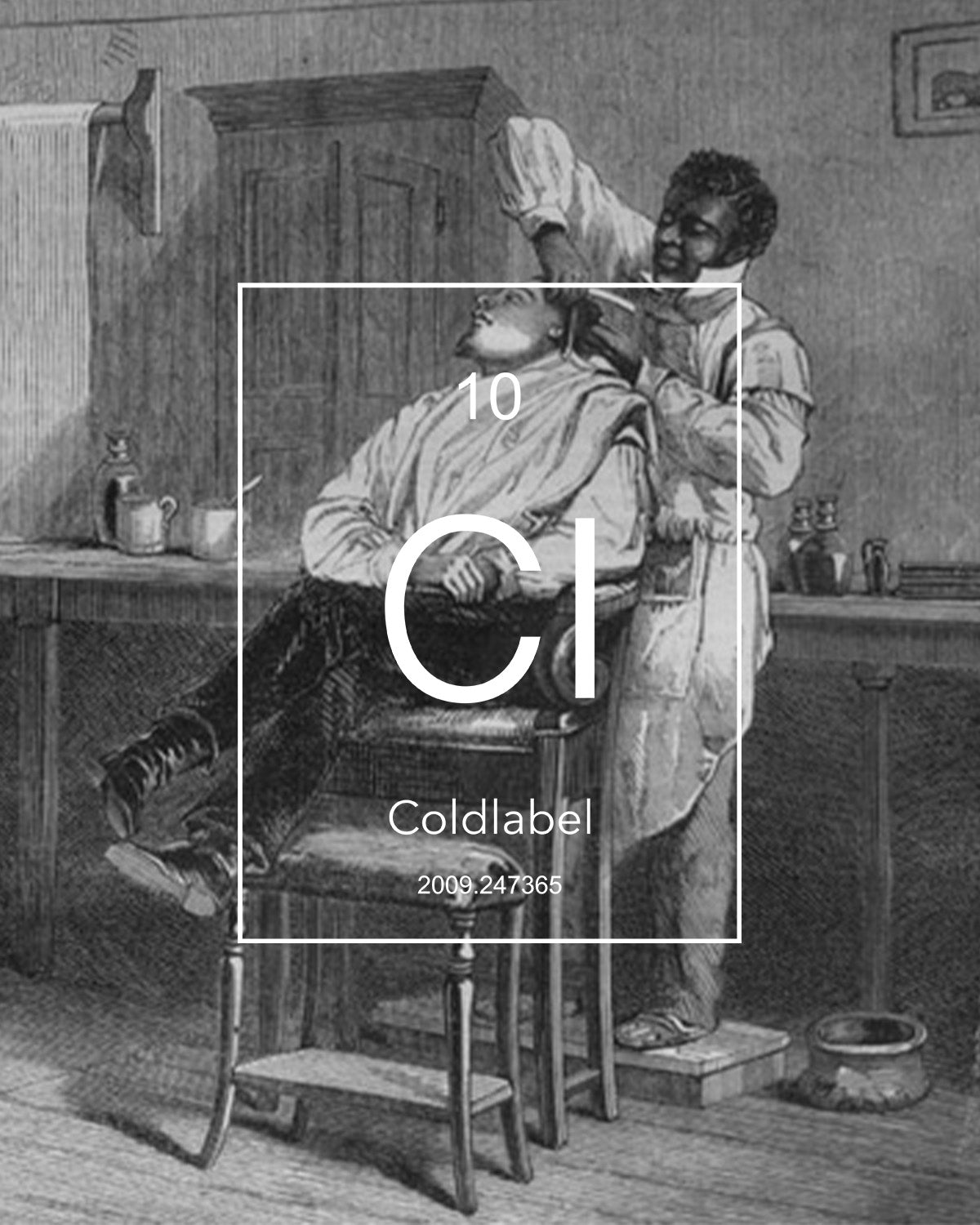
Barbering Tradition Was Built on Ingredient Discipline
Before grooming became commercialized, barbering operated on apprenticeship, repetition, and results observed over decades.
Traditional barber formulations emphasized:
-
Single-purpose ingredients with known behavior
-
Raw or minimally processed materials
-
Balanced ratios, refined through daily use
-
Predictable outcomes, not dramatic claims

A beard oil wasn’t designed to exfoliate, cleanse, scent, and style simultaneously. It was meant to soften hair, condition skin, and protect the follicle environment. Nothing more—and nothing wasted.
This discipline is still relevant.
How Skin and Scalp Actually Respond to Formulas
Skin and scalp are not static surfaces. They are adaptive, reactive systems with barrier functions designed to regulate moisture, microbes, and inflammation.
When grooming products become overly complex, they can interfere with these systems rather than support them.
Common Issues With Overloaded Formulas
-
Barrier disruption from excess surfactants or solvents
-
Sensitivity reactions caused by stacked fragrances or actives
-
Product buildup that suffocates follicles or weighs down hair
-
Inconsistent results due to ingredient interactions
Fewer ingredients make it easier for the skin to recognize, tolerate, and benefit from a product over time.
This matters most in daily grooming—where repetition compounds both benefits and mistakes.
Ingredient Transparency Builds Trust and Results
When formulas are concise, users can understand what they’re applying and why. This clarity supports long-term grooming health rather than short-term cosmetic effect.

Benefits of ingredient transparency include:
-
Easier identification of irritants or sensitivities
-
Better alignment with individual skin and hair needs
-
More consistent performance across seasons and climates
-
Greater confidence in daily use
For professionals and serious consumers alike, trust is built when results are repeatable—not when formulas are mysterious.
Concentration Matters More Than Variety
One of the most overlooked truths in grooming formulation is this: an effective ingredient at the right concentration outperforms multiple ingredients used sparingly.
A short ingredient list often allows for:
-
Higher functional concentrations
-
Better ingredient stability
-
Fewer preservatives or stabilizers
-
Cleaner absorption and finish
This is especially important for leave-in products such as beard oils, scalp treatments, and moisturizers—where ingredients remain in contact with skin for hours.
Fewer Ingredients Support Long-Term Grooming Health
Short-term results can be misleading. Many products deliver immediate softness, shine, or fragrance while gradually undermining skin balance over weeks or months.
Minimal formulations tend to support:
-
Healthy sebum regulation
-
Reduced inflammation over time
-
Improved follicle environment
-
Lower risk of dependency or rebound dryness
This aligns with a ritual-based grooming philosophy—one focused on maintenance, not correction.

The Role of Craftsmanship in Formulation
Craftsmanship is not about stripping products down indiscriminately. It’s about intentional selection.
Every ingredient should earn its place by answering a clear question:
-
What does this do?
-
Why is it necessary?
-
How does it interact with the others?
-
What happens if it’s removed?
When formulas are built this way, fewer ingredients become a strength—not a limitation.
This mindset mirrors traditional barbering itself: precision over excess, knowledge over noise.
When Fewer Ingredients Are Especially Important
Not all grooming categories benefit equally from minimalism, but some depend on it.
Beard and Facial Care
-
Skin beneath facial hair is prone to sensitivity
-
Follicles are easily clogged by heavy or layered formulas
-
Simpler oils and conditioners support consistent growth
Scalp Treatments
-
Scalp skin is thinner and more reactive than facial skin
-
Over-formulation can lead to itch, flakes, or imbalance
-
Targeted ingredients perform better than blended solutions
Daily Moisturization
-
Daily use magnifies formulation flaws
-
Minimal products reduce cumulative irritation
-
Skin adapts better to consistent inputs
Minimalism Is Not About Cutting Corners

It’s important to clarify: fewer ingredients does not mean cheaper, weaker, or unfinished.
In many cases, it means:
-
Higher-grade raw materials
-
Slower formulation development
-
More testing and refinement
-
Less room for filler or distraction
This approach values longevity over launch cycles and results over marketing language.
How to Read Ingredient Lists With a Trained Eye
For consumers seeking better grooming outcomes, ingredient literacy is essential.
Look for:
-
Short lists with recognizable components
-
Clear base ingredients (oils, butters, clays)
-
Limited fragrance sources
-
Absence of unnecessary colorants or foaming agents
Avoid being impressed by length. Focus on function.
Conclusion: Precision Is the New Luxury
In grooming, restraint signals confidence. When a product does fewer things—but does them well—it reflects knowledge, experience, and respect for the craft.
Fewer ingredients deliver better results because they:
-
Work in harmony with skin and hair
-
Reduce interference and irritation
-
Support long-term grooming health
-
Honor the traditions that built barbering authority
Modern grooming doesn’t need to be louder. It needs to be more deliberate.
When grooming becomes a ritual—grounded in purpose and practiced with consistency—simplicity becomes not just effective, but enduring.
FAQ's
Are fewer ingredients always better for everyone?
Not universally, but they are often better for daily-use products and sensitive skin types. Simpler formulas reduce variables and improve predictability.
Do minimal products work more slowly?
They may feel less dramatic at first, but they tend to deliver more stable, long-term improvements.
Can simple formulas still smell refined?
Yes. Carefully balanced natural fragrance components or light essential oil usage can provide subtle, professional scent without overwhelming the formula.