What Modern Grooming Lost—and How to Restore It
Why Grooming Feels Hollow Today
Modern grooming has never been more visible—or more confused. Shelves are crowded with products promising instant transformation, viral routines cycle weekly, and “self-care” is often reduced to speed and surface. Yet despite the abundance, many men feel less connected to their grooming than ever.
What’s been lost is not innovation, but intention.
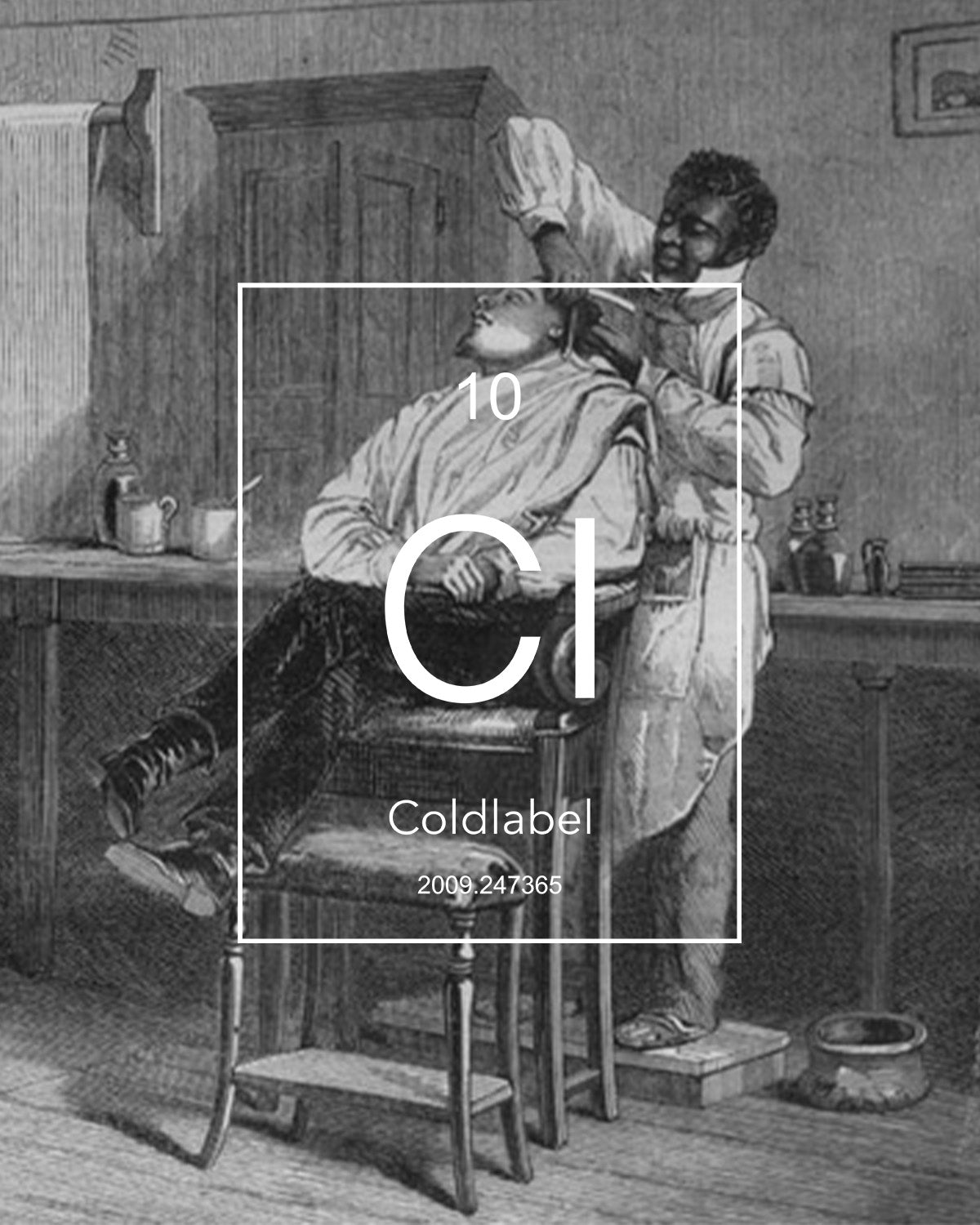
Historically, grooming was not about shortcuts or spectacle. It was a discipline rooted in ritual, craftsmanship, and professional knowledge. Today’s challenge is not rejecting modernity—but restoring what mattered while keeping what works.
This article explores what modern grooming lost, why it matters for long-term skin and hair health, and how to restore a more grounded, effective approach—one built on respect for the craft.
What Grooming Once Represented

The Barbershop as a Place of Authority
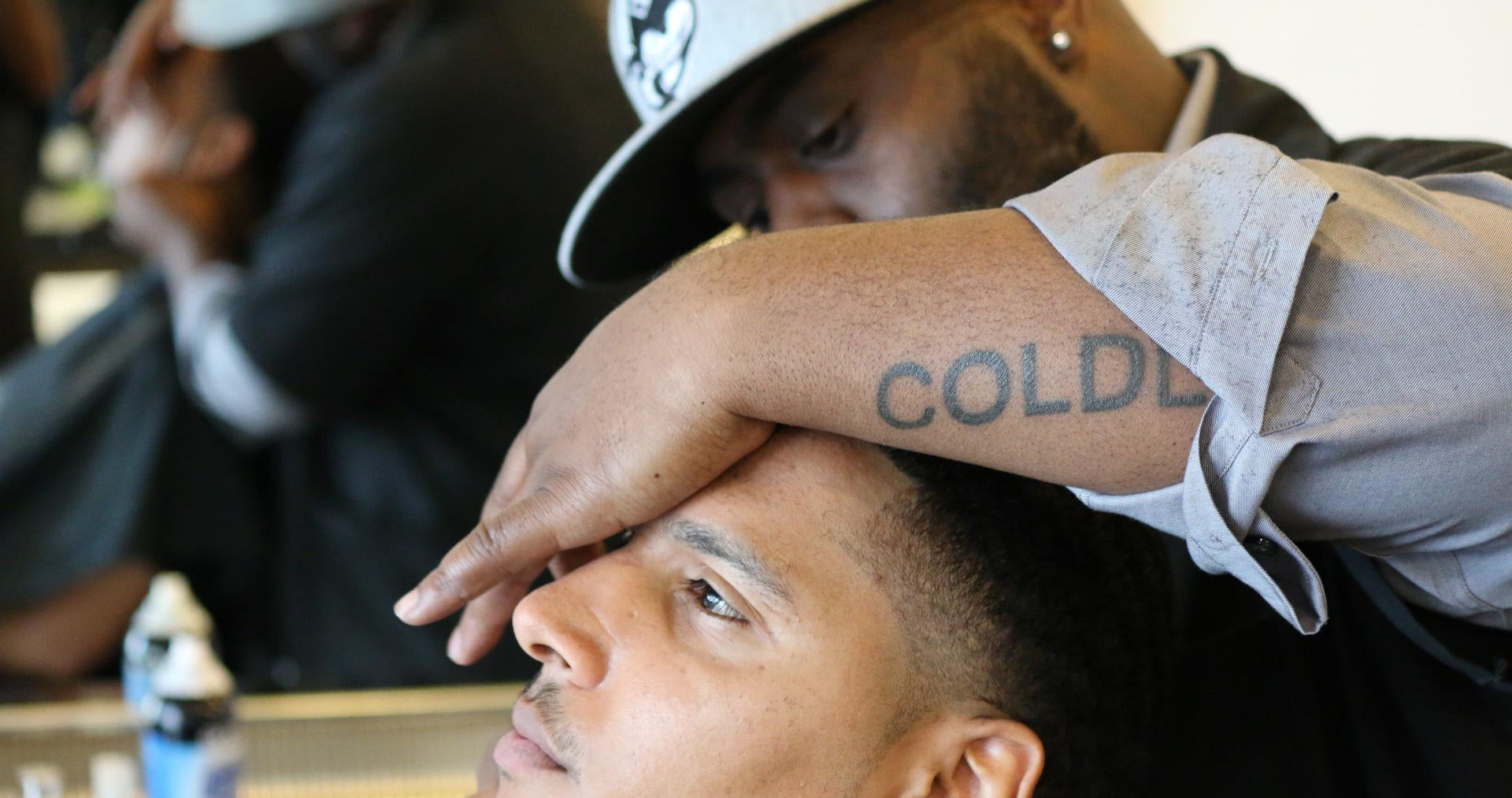
For generations, grooming knowledge was transmitted through professionals. Barbers understood hair growth patterns, scalp health, facial structure, and maintenance cycles.
Key characteristics of traditional grooming culture:
-
Guidance from trained professionals
-
Tools chosen for durability and performance
-
Products made to support skin and hair over time
-
Consistency over experimentation
The barbershop was not just a service—it was a standard.
Ritual Over Routine
Grooming was once deliberate. Shaving, washing, oiling, and brushing followed a rhythm. Time was built into the process, not stripped from it.
Ritual reinforced:
-
Awareness of skin and scalp condition
-
Respect for tools and ingredients
-
Consistency that supported long-term results
This rhythm is largely absent in modern grooming culture.
What Modern Grooming Lost

1. Professional Knowledge as the Foundation
Today, grooming advice is often crowdsourced rather than taught. Trends circulate faster than understanding, and complexity is replaced by simplicity that ignores individual differences.
What this leads to:
-
Overwashing and barrier damage
-
Product stacking without purpose
-
Misuse of active ingredients
-
Ignoring hair type, curl pattern, or scalp condition
Without professional grounding, grooming becomes guesswork.
2. Ingredient Intentionality

Many modern products are designed for speed, scent, or shelf appeal—not long-term skin and hair health.
Common issues include:
-
Harsh surfactants that strip natural oils
-
Fragrance overload masking poor formulation
-
Actives included for marketing, not balance
Traditional grooming emphasized fewer ingredients, chosen for function—not novelty.
3. Respect for Time and Process
Modern grooming prioritizes speed. “Five-minute routines” are praised regardless of outcome.
But skin and hair respond to:
-
Consistency, not intensity
-
Recovery time
-
Proper sequencing of cleansing, conditioning, and sealing
When grooming becomes rushed, results degrade.
Why This Loss Matters for Skin, Hair, and Scalp Health
Skin Health Suffers First
Over-exfoliation, frequent product changes, and aggressive cleansers weaken the skin barrier. This can lead to:
-
Chronic dryness
-
Sensitivity and irritation
-
Increased oil production as compensation
Healthy grooming supports the skin’s natural functions rather than overriding them.
Scalp Health Is Often Ignored
The scalp is skin—yet it’s frequently treated as an afterthought.
Poor scalp practices can result in:
-
Buildup that blocks follicles
-
Inflammation affecting hair growth quality
-
Imbalanced oil production
Long-term grooming health begins at the scalp.
Hair Quality Declines Gradually
Hair reflects cumulative care. Poor habits don’t show immediately—but over time they reduce:
-
Elasticity
-
Shine
-
Density and definition
Restoration requires patience, not replacement.
How to Restore What Modern Grooming Lost

1. Return to Ritual
Ritual does not mean complexity—it means intention.
A restored grooming ritual includes:
-
Consistent timing (morning or evening)
-
Purposeful sequencing
-
Awareness of how skin and hair respond
Even a simple routine becomes effective when practiced with care.
2. Choose Products for Long-Term Use
Products should support repeated use—not short-term results.
Look for:
-
Balanced cleansers that preserve natural oils
-
Oils and butters that seal moisture without clogging
-
Minimal formulations with clear roles
Avoid rotating products constantly. Stability builds results.
3. Respect Professional Standards
Barbering knowledge still matters. Understanding hair type, growth patterns, and maintenance cycles prevents damage and waste.
Professional principles to follow:
-
Clean less aggressively, condition more thoughtfully
-
Treat the scalp with the same care as facial skin
-
Maintain tools as carefully as products
This mindset separates grooming from consumption.
4. Think in Maintenance Cycles
Restored grooming is cyclical, not reactive.
Effective cycles include:
-
Weekly deep cleansing or exfoliation
-
Daily hydration and protection
-
Periodic assessment and adjustment
This approach prioritizes longevity over immediacy.
Modern Grooming, Done Correctly

Restoration does not mean rejection of modern science. When properly applied, modern grooming benefits from:
-
Improved formulation techniques
-
Better ingredient sourcing
-
Greater understanding of skin barriers and microbiomes
The issue is not modernity—it’s imbalance.
When craft guides innovation, grooming regains its authority.
Practical Guidance: Rebuilding Your Grooming Discipline
Start with restraint.
-
Simplify your routine to essentials
-
Use products consistently for at least 30 days
-
Observe how your skin, scalp, and hair respond
-
Adjust gradually—not impulsively
Grooming is a long game. Results compound when discipline replaces novelty.
Conclusion: Grooming is a Practice, Not a Trend
What modern grooming lost was not relevance—but respect.
Respect for:
-
Time
-
Craft
-
Professional knowledge
-
Long-term health
Restoring grooming means returning to ritual, choosing products with intent, and treating personal care as a discipline rather than a performance.
When grooming is approached this way, it becomes quieter, more effective, and deeply personal—exactly as it was meant to be.
FAQ's
Is modern grooming bad for skin and hair?
Not inherently. Problems arise when speed, novelty, and misinformation override professional principles.
How long does it take to restore healthy grooming habits?
Most skin and scalp improvements begin within weeks, but meaningful restoration occurs over months of consistent care.
Should I avoid trends completely?
No. Trends can be informative, but they should be filtered through professional understanding and individual needs.